Massage Therapy
Male Massage Therapist: Expert Guide for 2026
Discover what makes a male massage therapist the right choice for your wellness needs. Professional insights, benefits, and how to find qualified masseurs.

The demand for skilled male massage therapists has grown significantly in recent years, driven by clients seeking specialized care, comfort with same-gender practitioners, and the therapeutic benefits of professional bodywork. Whether you're exploring massage therapy for the first time or looking for a practitioner who understands your specific needs, understanding what defines a qualified male massage therapist and how to find the right professional can transform your wellness journey. This comprehensive guide explores the qualifications, techniques, and considerations that matter most when working with male massage professionals in 2026.
Professional Qualifications and Standards
A qualified male massage therapist meets rigorous educational and licensing requirements that ensure safe, effective practice. In the United States, most states require between 500 and 1,000 hours of formal training at accredited massage therapy schools, covering anatomy, physiology, kinesiology, pathology, and hands-on technique development. The American Massage Therapy Association's professional standards outline comprehensive ethical guidelines that all practitioners should follow, regardless of gender.
Education and Certification Requirements
Licensed massage therapists complete programs that include:
- Comprehensive study of human anatomy and musculoskeletal systems
- Hands-on training in multiple massage modalities
- Business ethics and professional boundaries education
- CPR and first aid certification
- State or national board examinations
Beyond initial licensure, reputable male massage therapists pursue continuing education to maintain certification and expand their skill sets. Many specialize in specific modalities such as deep tissue massage, sports massage, or Swedish massage techniques, investing hundreds of additional hours in advanced training.
The AMTA's career guidance resources provide detailed information about the pathways into professional massage therapy, including licensing expectations and workforce trends that demonstrate the growing diversity within the profession.
Why Clients Choose Male Massage Therapists
Client preferences for massage therapist gender vary based on personal comfort, therapeutic goals, and cultural factors. Research published in PLOS ONE examining consumer preferences found that therapist gender plays a significant role in service selection across different cultural contexts, with many clients expressing strong preferences based on their individual needs.
Common Reasons for Preferring Male Practitioners
Strength and Pressure Application: Male massage therapists often provide deep pressure work that some clients find more effective for chronic muscle tension, sports recovery, or structural bodywork. The ability to sustain firm, consistent pressure throughout longer sessions makes male practitioners particularly sought-after for intensive therapeutic work.
Gender Comfort and Personal Preference: Many gay, bisexual, and male clients feel more comfortable receiving bodywork from male practitioners. This comfort level enhances relaxation, allows better communication about sensitive areas, and creates a therapeutic environment where clients can fully benefit from the session without distraction or discomfort.
Specialized Understanding: Male massage therapists working primarily with male clients often develop specialized knowledge of men's health concerns, athletic recovery needs, and bodywork preferences specific to male physiology. This expertise translates into more targeted, effective treatment approaches.
| Client Priority | How Male Therapists Address It |
|---|---|
| Deep pressure work | Physical strength for sustained firm pressure |
| Same-gender comfort | Eliminates potential discomfort or distraction |
| Sports recovery | Specialized training in athletic bodywork |
| LGBTQ-friendly environment | Understanding and affirming practice approach |
Techniques and Modalities Offered
Professional male massage therapists master diverse techniques to address various client needs, from relaxation and stress relief to injury rehabilitation and performance enhancement. The breadth of modalities available has expanded considerably, supported by growing research into massage therapy's clinical applications.
Evidence-Based Therapeutic Approaches
According to the National Center for Complementary and Integrative Health's overview, massage therapy demonstrates benefits for multiple conditions, though the strength of evidence varies by application. Male massage therapists commonly offer:
- Deep Tissue Massage: Targets chronic muscle tension and adhesions using slow strokes and deep finger pressure on contracted areas
- Sports Massage: Combines techniques to prevent injuries, prepare muscles for athletic activity, and aid recovery
- Swedish Massage: Uses long gliding strokes, kneading, and circular movements to promote relaxation and improve circulation
- Trigger Point Therapy: Focuses on releasing tight muscle knots that cause referred pain in other body areas
- Thai Massage: Incorporates stretching and compression techniques performed on a floor mat with the client fully clothed
The NIH's 2023 evidence map of massage therapy synthesizes recent clinical research, identifying conditions where massage shows promise while acknowledging areas requiring further study. This evidence base helps male massage therapists make informed recommendations about which techniques best address specific client concerns.
Specialized Services for Male Clients
Many male massage therapists develop expertise in bodywork approaches particularly relevant to their client base. Four-hands massage, where two therapists work simultaneously, offers intensified relaxation and therapeutic benefit. Tantric and sensual massage approaches, when offered by qualified practitioners within appropriate professional boundaries, address holistic wellness including stress reduction and body awareness.
For clients seeking massage therapy in specific locations, independent male massage therapists often provide flexible scheduling and personalized service that larger establishments cannot match. Understanding the various massage types available helps clients select practitioners whose specializations align with their wellness goals.
Finding Qualified Male Massage Therapists
Locating a skilled, professional male massage therapist requires knowing where to look and what questions to ask. Unlike traditional spas and wellness centers, many exceptional male massage practitioners operate independently, offering mobile or studio-based services tailored to their clients' preferences.
Where to Search for Male Massage Professionals
Online Directories and Marketplaces: Specialized platforms connecting clients with independent male massage therapists have become the most efficient search method. These directories allow you to browse profiles by city and country, compare practitioners' photos, rates, and technique specializations, then contact therapists directly.
For independent male massage therapists seeking to expand their client base, creating a profile on a specialized directory like PROMASSEURS provides visibility among gay, bisexual, and male clients actively searching for massage services in their area. Membership tiers offer enhanced visibility and profile features to help practitioners stand out in competitive markets.
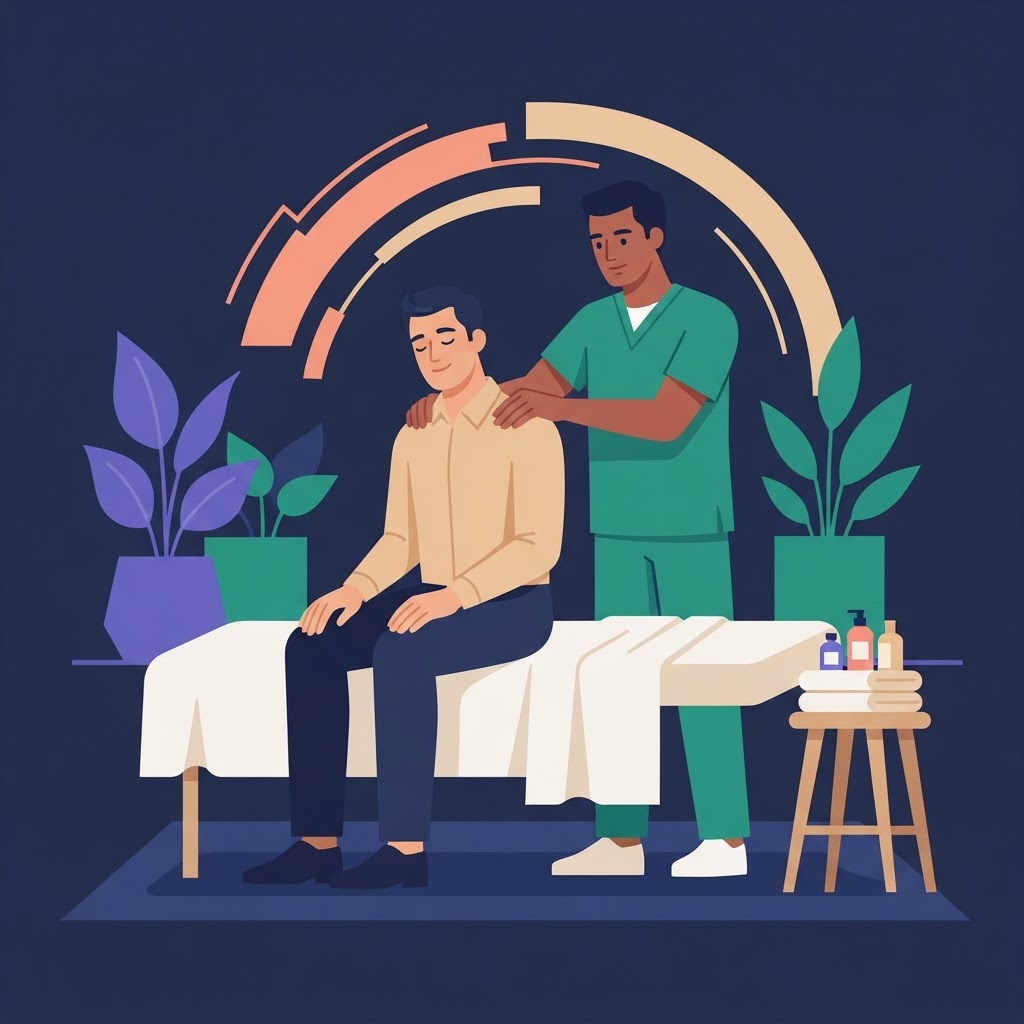
Professional Association Listings: State and national massage therapy associations maintain member directories, though these may not allow filtering specifically for male practitioners or LGBTQ-friendly services.
Client Referrals and Reviews: Word-of-mouth recommendations from trusted friends remain valuable, particularly within LGBTQ communities where clients share information about affirming, professional male massage therapists.
Essential Questions to Ask Before Booking
- What are your licensing credentials and how long have you been practicing?
- Which massage modalities do you specialize in?
- Do you offer mobile outcall services, studio incall sessions, or both?
- What are your rates and session length options?
- How do you ensure client privacy and maintain professional boundaries?
Understanding incall versus outcall options helps you decide which service format best fits your schedule and comfort level. Many male massage therapists offer both, bringing professional equipment to your home or hotel, or welcoming clients to private studio spaces.
Professional Boundaries and Client Safety
Legitimate male massage therapists maintain strict professional boundaries and adhere to ethical standards that protect both clients and practitioners. Understanding these boundaries ensures positive therapeutic experiences and helps distinguish professional massage services from other offerings.
Ethical Practice Standards
Licensed massage therapists follow comprehensive codes of conduct covering:
- Informed Consent: Discussing treatment plans, obtaining permission before working on sensitive areas, and respecting client autonomy throughout sessions
- Appropriate Draping: Using sheets or towels to maintain client modesty while accessing areas requiring treatment
- Professional Communication: Maintaining respectful language and appropriate personal boundaries
- Confidentiality: Protecting client health information and session details
- Scope of Practice: Working within trained competencies and referring clients to other healthcare providers when conditions exceed massage therapy's appropriate applications
The College of Massage Therapists of Ontario's 2024 report provides regulatory perspective on safety protocols and the profession's ongoing efforts to prevent misconduct, offering insights into how professional oversight protects clients across gender contexts.
Red Flags to Watch For
Potential warning signs that suggest unprofessional practice include:
- Reluctance to discuss credentials or provide license numbers
- Inappropriate personal questions or comments during sessions
- Pressure to disrobe beyond comfort level or inadequate draping
- Unwillingness to discuss session structure and boundaries beforehand
- Significantly below-market rates combined with vague service descriptions
Understanding proper massage etiquette from both client and therapist perspectives helps establish mutually respectful therapeutic relationships.
Health Benefits and Therapeutic Applications
Research continues to demonstrate massage therapy's effectiveness for various health conditions, supporting its integration into comprehensive wellness strategies. Male massage therapists contribute to these outcomes through skilled application of evidence-based techniques.
Documented Health Benefits
Clinical studies have established massage therapy's efficacy for several conditions. Cochrane's systematic review of massage for low-back pain synthesizes high-quality trial evidence showing benefit for this common complaint. Additional research-supported applications include:
- Reducing muscle soreness and improving recovery after intense physical activity
- Decreasing anxiety and promoting relaxation through physiological stress response modulation
- Improving sleep quality in various populations
- Managing chronic pain conditions as part of multimodal treatment approaches
- Enhancing circulation and lymphatic flow
Mental Health and Wellness Impact: Beyond physical benefits, regular massage sessions with a trusted male massage therapist can provide consistent stress relief, body awareness development, and a dedicated space for self-care in busy lives.
| Condition | Evidence Level | Typical Approach |
|---|---|---|
| Low back pain | Strong | Deep tissue, Swedish, trigger point |
| Sports recovery | Moderate | Sports massage, stretching techniques |
| Anxiety reduction | Moderate | Swedish massage, relaxation-focused sessions |
| Chronic tension | Moderate | Deep tissue, myofascial release |
| Sleep improvement | Emerging | Relaxation massage, regular session schedule |
Understanding how often to schedule massage sessions depends on individual therapeutic goals, budget considerations, and practitioner recommendations based on your specific needs.
The Business of Independent Male Massage Therapy
Many skilled male massage therapists operate as independent practitioners rather than spa employees, offering personalized service and flexible arrangements that benefit both therapists and clients. This business model has grown significantly with digital marketplace platforms facilitating direct connections.
Why Therapists Choose Independent Practice
Autonomy and Income Control: Independent male massage therapists set their own rates, choose their specializations, and build practices aligned with their professional values. This autonomy allows practitioners to focus on client populations they serve best, whether that's athletes, LGBTQ clients, or specific therapeutic specialties.
Flexible Scheduling and Location: Mobile massage services let therapists reach clients in major metropolitan areas and suburban locations alike, working around client schedules rather than fixed spa hours. Many practitioners maintain private studios while also offering mobile services for convenience.
Direct Client Relationships: Working independently enables male massage therapists to develop ongoing therapeutic relationships, tracking client progress over multiple sessions and adjusting treatment approaches based on observed results.
Marketing and Client Acquisition
Building a successful independent practice requires visibility among target client populations. Male massage therapists employ various strategies:
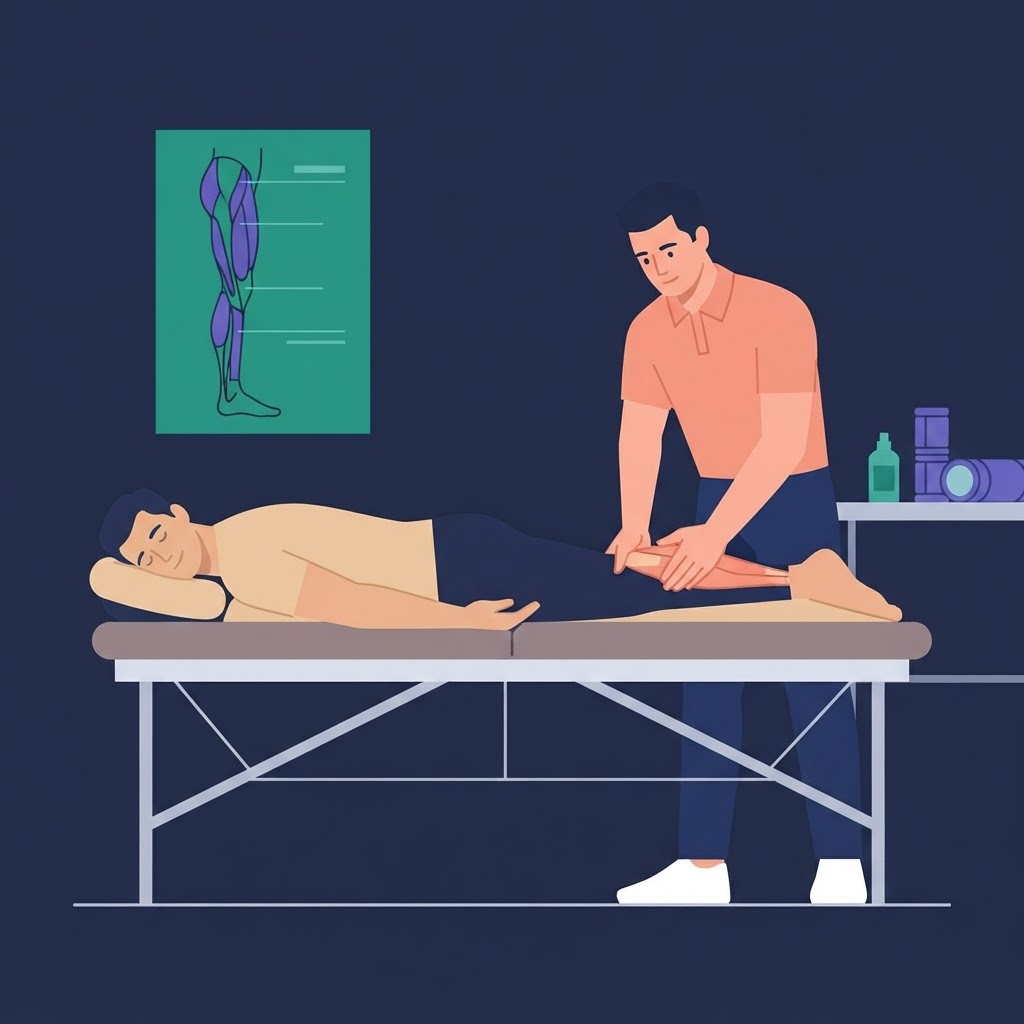
- Creating detailed online profiles showcasing qualifications, specializations, and client reviews
- Maintaining professional social media presence emphasizing therapeutic expertise
- Networking within LGBTQ communities and spaces where potential clients gather
- Offering introductory rates for new clients while maintaining sustainable pricing for regular sessions
- Specializing in underserved niches or technique combinations that differentiate their practice
Professional directories connecting clients with independent practitioners have become essential marketing tools, particularly for male massage therapists serving gay and bisexual male clients who specifically seek affirming, comfortable therapeutic environments.
Geographic Availability and Access
Male massage therapists practice in hundreds of cities worldwide, with concentrations in major metropolitan areas and growing availability in smaller markets. Access to qualified practitioners has expanded significantly as independent practice models and digital directories reduce traditional barriers to entry.
Finding Male Massage Therapists in Your City
Major Urban Markets: Cities like New York, Los Angeles, San Francisco, Chicago, London, Toronto, Sydney, and Bangkok host substantial communities of independent male massage therapists offering diverse specializations. These markets often feature practitioners with advanced certifications and specialized training in niche modalities.
In New York neighborhoods like Chelsea or Manhattan, clients can access dozens of male massage therapists with varied backgrounds and technique specializations. Similar density exists in LGBTQ-friendly neighborhoods across North America, Europe, and Asia-Pacific regions.
Secondary Markets and Smaller Cities: As the independent massage therapy model grows, qualified male massage therapists increasingly establish practices in mid-sized cities throughout the United States, Canada, United Kingdom, and internationally. Digital platforms help these practitioners reach local clients who previously lacked access to specialized male massage services.
International Travel and Tourism: Many clients seek male massage therapists when traveling, whether for business or leisure. Understanding how to locate reputable practitioners in unfamiliar cities ensures consistent wellness care regardless of location. Independent therapists in tourism-focused markets often offer hotel outcall services specifically for traveling clients.
Pricing and Session Economics
Understanding typical pricing structures helps clients budget appropriately while ensuring therapists receive fair compensation for their expertise and time. Rates vary significantly based on location, practitioner experience, session length, and specialized techniques offered.
Typical Rate Ranges by Market
| Market Type | 60-Minute Session | 90-Minute Session | 120-Minute Session |
|---|---|---|---|
| Major US cities | $120-$200 | $180-$280 | $240-$360 |
| Secondary US markets | $80-$140 | $120-$200 | $160-$260 |
| International (varies widely) | $60-$180 | $90-$250 | $120-$320 |
These ranges reflect independent practitioner rates in 2026. Factors influencing pricing include:
- Therapist Experience and Credentials: Practitioners with advanced certifications, specialized training, or extensive experience typically command higher rates
- Session Location: Mobile outcall services often include travel fees, while studio incall sessions may offer slightly lower base rates
- Technique Complexity: Specialized modalities requiring additional training may carry premium pricing
- Market Demand: LGBTQ-friendly male massage therapists in areas with limited options may price higher due to supply-demand dynamics
Many male massage therapists offer package discounts for clients booking multiple sessions in advance, recognizing that therapeutic benefits increase with regular, consistent treatment schedules.
Building Long-Term Therapeutic Relationships
Working with the same male massage therapist over time creates therapeutic continuity that enhances treatment outcomes. Consistent practitioners develop detailed understanding of your body's patterns, injury history, and response to various techniques.
Benefits of Regular Sessions with a Trusted Practitioner
Progressive Treatment Planning: A male massage therapist who sees you regularly can track improvements, identify recurring problem areas, and adjust techniques based on observed results. This continuity allows for sophisticated treatment strategies that single sessions cannot achieve.
Enhanced Comfort and Communication: As rapport develops, clients communicate more openly about sensitive areas, pain levels, and preferences. This improved communication directly translates to more effective, personalized sessions.
Accountability for Self-Care: Regular appointments with a massage therapist create structure for ongoing wellness maintenance, encouraging clients to prioritize self-care amid busy schedules.
Exploring the full spectrum of massage benefits reveals why consistent therapeutic relationships produce better outcomes than sporadic sessions with different practitioners.
Understanding what defines a qualified male massage therapist empowers you to make informed choices about your wellness care, whether you're booking your first session or seeking a new practitioner in an unfamiliar city. If you're ready to explore male massage therapy with independent practitioners worldwide, PROMASSEURS connects you with qualified male massage therapists across hundreds of cities in the USA, Canada, UK, Europe, Latin America, Asia, and Australia. Browse detailed profiles, compare specializations and rates, then contact therapists directly to begin your wellness journey with confidence.