Massage Therapy
Male Masseurs Near Me: Your 2026 Guide to Finding One
Searching for male masseurs near me? Learn how to find qualified independent male massage therapists in your city, verify credentials, and book safely.
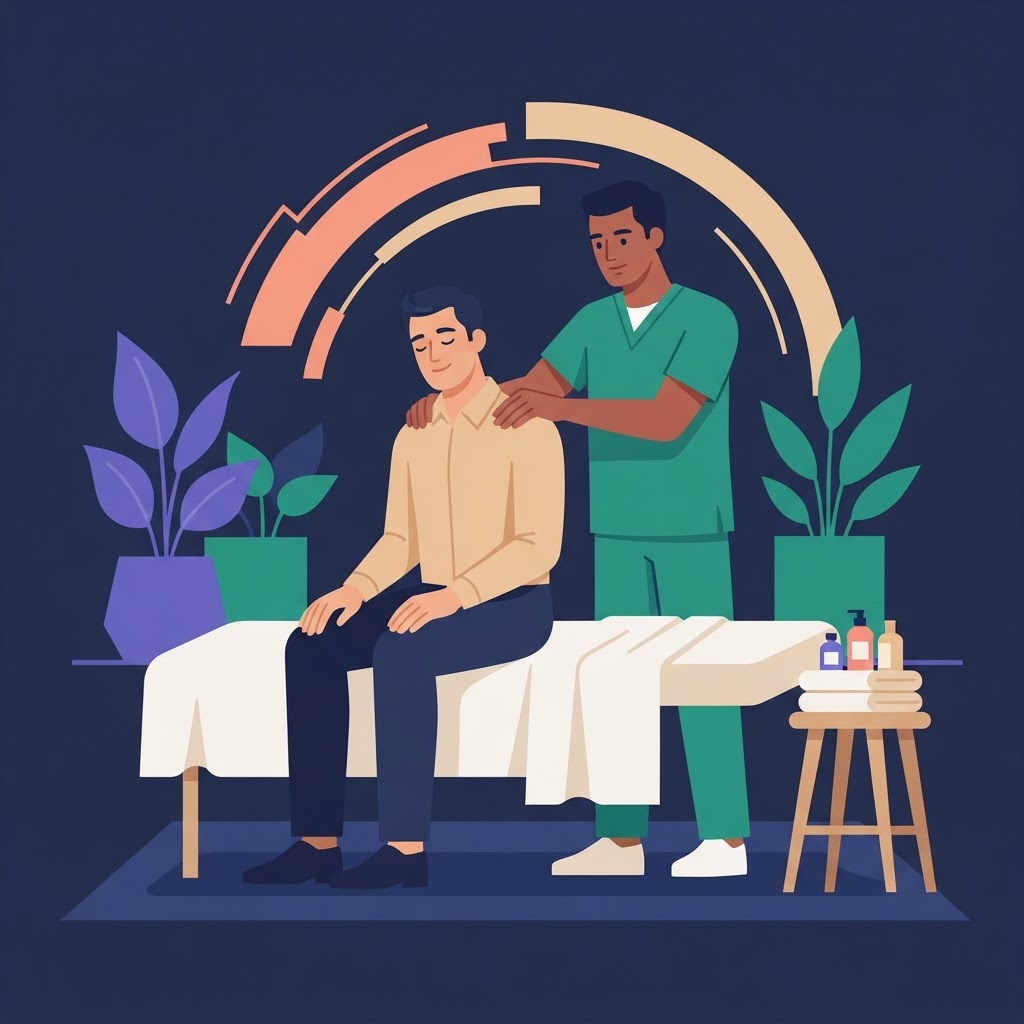
Searching for "male masseurs near me" in 2026 reflects a growing trend among men seeking therapeutic bodywork from practitioners who understand the male physique and create a comfortable, professional environment. Whether you're looking for deep tissue work after athletic training, stress relief through Swedish massage, or specialized techniques like sports massage or Thai bodywork, finding the right male massage therapist requires understanding what to look for, how to verify credentials, and where to search in your specific location. This guide walks you through the entire process of locating, vetting, and booking with independent male masseurs who serve clients in cities across the United States and worldwide.
Why Clients Search for Male Masseurs
The preference for male massage therapists stems from various legitimate reasons that have nothing to do with the quality of care provided by any gender. Many men simply feel more comfortable discussing physical concerns, injury recovery, or body image issues with male practitioners. Research on patient-provider gender concordance shows that demographic matching can improve communication, satisfaction, and treatment outcomes in healthcare settings, including massage therapy.
Athletic and physically active men often seek male masseurs because they want someone who can apply substantial pressure for deep tissue or sports massage work. Male therapists frequently have experience working with other men's bodies, understanding typical tension patterns in shoulders, lower back, and legs that result from weightlifting, running, cycling, or desk work.
The LGBTQ+ Client Perspective
For gay and bisexual men, finding a male masseur who is LGBTQ-friendly or part of the community creates an environment free from judgment or awkwardness. The experience becomes more relaxed when you don't need to edit pronouns, worry about explaining your lifestyle, or feel the need to censor conversation during pre-session consultations.
Many cities with significant LGBTQ+ populations have robust communities of male massage therapists who openly welcome gay, bisexual, and queer clients. These practitioners often advertise their LGBTQ-friendly services and maintain inclusive practices in their studios or outcall services.
What Professional Credentials to Verify
Before booking any massage therapist, male or otherwise, verification of professional credentials protects both your safety and your investment. Legitimate massage therapy is a regulated healthcare profession in most jurisdictions, with specific educational and licensing requirements.
Essential credentials to confirm:
- State or provincial massage therapy license (where required by law)
- Graduation from an accredited massage therapy program (typically 500-1000 hours)
- Current liability insurance coverage
- CPR and first aid certification
- Continuing education completion (required in most licensed states)
The Federation of State Massage Therapy Boards provides a license lookup service for verifying practitioner status across multiple states. This database confirms whether a therapist holds an active, unrestricted license and whether any disciplinary actions have been filed.
| Credential Type | Why It Matters | Where to Verify |
|---|---|---|
| State License | Legal requirement; proves minimum education | State massage board or FSMTB database |
| Liability Insurance | Protects you in case of injury; shows professionalism | Ask therapist for certificate of insurance |
| Professional Membership | Optional but indicates commitment to standards | AMTA, ABMP membership directories |
| Specialization Certifications | Shows advanced training in specific techniques | National certification boards (NCBTMB, etc.) |
Not all locations require state licensure. Some cities or counties regulate massage therapy through local ordinances, while a few jurisdictions have no formal regulation. In unregulated areas, professional association membership becomes even more important as a quality indicator.
Understanding Different Massage Techniques
When searching for male masseurs near me, you'll encounter therapists who specialize in various modalities. Understanding these techniques helps you choose a practitioner whose skills match your therapeutic needs.
Swedish Massage: The foundation of Western massage therapy, using five basic strokes (effleurage, petrissage, friction, tapotement, vibration) to promote relaxation and circulation. Pressure ranges from light to medium, making it ideal for stress relief and first-time massage clients. Many Swedish massage practitioners work with clients who need general wellness maintenance rather than injury-specific treatment.
Deep Tissue Massage: Targets chronic muscle tension and adhesions in deeper layers of muscle and fascia. Therapists use slow strokes and focused pressure on problem areas. This modality suits athletes, people with chronic pain, and those who prefer firm pressure. Male masseurs often excel at deep tissue work due to their ability to sustain pressure throughout longer sessions.
Sports Massage: Specifically designed for athletic populations, focusing on muscle groups relevant to particular sports or activities. Pre-event work emphasizes stimulation and warming, while post-event massage aids recovery and reduces soreness. Sports massage therapists typically understand kinesiology, biomechanics, and common athletic injuries.
Specialized and Cultural Techniques
Thai Massage: An ancient healing system combining acupressure, assisted yoga postures, and rhythmic compression. Performed on a floor mat with the client fully clothed, Thai massage improves flexibility and energy flow. Practitioners trained in authentic Thai techniques often study in Thailand or with master teachers.
Trigger Point Therapy: Addresses specific points of muscle tension that refer pain to other body areas. Requires detailed anatomical knowledge and precise palpation skills. Often integrated into deep tissue or sports massage sessions.
Four-Hands Massage: Two therapists work simultaneously on one client, creating a synchronized, immersive experience. This luxurious option doubles the therapeutic benefit and creates unique sensory experiences. Four-hands sessions require exceptional coordination between practitioners.
Where to Search for Male Masseurs in Your City
The search for qualified male massage therapists has evolved significantly with online directories and specialized platforms. Traditional methods like phone books and generic spa listings have given way to detailed online profiles showcasing photos, specializations, rates, and availability.
Online Directories and Marketplaces
Specialized directories focusing on male massage therapists provide the most efficient search experience. These platforms allow filtering by city, neighborhood, massage type, session length, and pricing. Browse male masseurs near you by location to see independent practitioners who serve your specific area, from major metropolitan regions to smaller cities.
When using any directory, look for platforms that verify basic information, display clear policies about professional conduct, and provide direct contact with independent practitioners rather than booking through intermediaries. The best directories function as marketplaces connecting clients directly with therapists.
Geographic Search Strategies
Search strategies vary depending on your location's size and LGBTQ+ population density. Major cities like New York, Los Angeles, San Francisco, London, Sydney, and Toronto typically have dozens of male massage therapists advertising their services. In these markets, you can be selective about specialization, pricing, location, and therapist background.
In smaller cities or suburban areas, your search might yield fewer results, requiring more flexibility in your criteria. Consider these options:

- Expand your search radius to include neighboring communities
- Look for therapists who offer outcall services to your location
- Check if practitioners from nearby metropolitan areas travel to your city
- Contact therapists to ask about availability even if not listed for your specific area
- Consider virtual consultations for ongoing wellness coaching between in-person sessions
Evaluating Therapist Profiles and Photos
Online profiles serve as your first introduction to a potential massage therapist. Learning to evaluate these profiles helps you make informed decisions before initial contact.
Profile photos should appear professional while giving you a sense of the therapist's presentation and demeanor. Many male masseurs include photos of their massage space, equipment, and setup alongside personal photos. This visual information helps you assess whether the environment suits your comfort preferences.
Look for profiles that include:
- Clear description of training background and certifications
- Specific techniques and specializations offered
- Session lengths and corresponding rates
- Incall location details or outcall service area
- Cancellation and rescheduling policies
- COVID-19 safety protocols or current health policies
- Languages spoken beyond English
Red flags to watch for:
- Vague or missing information about credentials
- Unwillingness to verify license or training
- Pressure to book immediately without questions
- Unclear pricing or hidden fees
- No professional photos of the massage space
- Inconsistent information across multiple platforms
Pricing Expectations and Payment Methods
Massage pricing varies significantly based on geographic location, therapist experience, session length, and technique complexity. Understanding typical rate structures helps you budget appropriately and recognize when pricing falls outside professional norms.
| Session Length | Major Metro Areas | Mid-Size Cities | Smaller Markets |
|---|---|---|---|
| 60 minutes | $120-$180 | $90-$140 | $70-$110 |
| 90 minutes | $160-$250 | $125-$190 | $100-$150 |
| 120 minutes | $220-$340 | $170-$260 | $130-$200 |
These ranges represent legitimate therapeutic massage from licensed or certified practitioners. Specialized techniques, outcall service, four-hands massage, or premium locations typically command higher rates. Therapists with advanced certifications, extensive experience, or unique specializations often price at the upper end of ranges.
Payment methods accepted by independent male masseurs typically include cash, digital payment apps (Venmo, CashApp, Zelle), and credit/debit cards. Many independent practitioners prefer cash or digital payments to avoid credit card processing fees. Always clarify accepted payment methods when booking to avoid last-minute complications.
Tipping conventions apply to independent massage therapists just as they do in spa settings. A 15-20% gratuity is standard for excellent service, though some clients tip more generously for exceptional therapeutic results or when they've developed an ongoing relationship with their therapist.
Booking Your First Session Safely
Safety considerations apply to both clients and therapists in independent massage arrangements. Professional practitioners maintain clear boundaries, transparent communication, and established protocols that protect everyone involved.
Initial Contact and Communication
When you contact a male masseur for the first time, professional therapists will ask about your massage goals, any health conditions or injuries, pressure preferences, and areas requiring special attention. This intake process serves important therapeutic and legal purposes, helping the therapist customize your session and document your consent for specific techniques.
Questions to ask during initial contact:
- What is your training background and how long have you practiced?
- Are you licensed in this state/province? (if applicable)
- What COVID-19 or hygiene protocols do you follow?
- Do you have liability insurance?
- What is your cancellation policy?
- For outcall: What is your travel fee structure?
- For incall: What is the address and parking situation?
Professional therapists welcome these questions and answer them directly. Hesitation or evasiveness about credentials, licensing, or professional practices should raise concerns.
Understanding Professional Boundaries
Legitimate massage therapy operates within clear ethical boundaries established by professional organizations and state regulatory boards. The AMTA's Code of Ethics and NCBTMB Standards of Practice outline expectations for professional conduct, client privacy, informed consent, and appropriate therapeutic relationships.
Professional standards include:
- Informed consent before each session regarding areas to be massaged
- Appropriate draping maintaining client modesty and comfort
- No sexual contact or inappropriate touching
- Clear session boundaries regarding time, techniques, and conversation
- Confidentiality regarding client health information
- Professional environment free from harassment or discrimination
State regulations provide additional guidance. For example, New York State practice guidelines detail specific requirements around consent, draping, and professional conduct that serve as a useful model of regulatory expectations.
Comparing Incall Versus Outcall Services
Male masseurs typically offer either incall services at their studio or residence, outcall services traveling to your location, or both options. Each arrangement has distinct advantages depending on your circumstances and preferences.
Incall Advantages
Incall sessions at the therapist's established location provide:
- Professional setup with proper massage table, linens, and equipment
- Controlled environment with appropriate temperature, lighting, and ambiance
- Lower cost since no travel time or expenses factor into pricing
- Established, predictable setting for regular clients
- Dedicated massage space separate from living areas
When visiting a therapist's incall location, you have the right to assess the environment for cleanliness, professionalism, and comfort. The space should appear organized, clean, and purpose-designed for massage therapy.
Outcall Considerations
Outcall massage brings the therapist to your home, hotel, or office. This option suits clients who:
- Prefer the comfort and privacy of their own space
- Have mobility limitations making travel difficult
- Want massage at odd hours when leaving home is inconvenient
- Travel frequently and need massage while away from their home city
- Live in areas with few nearby massage therapists
Understanding the differences between incall and outcall arrangements helps you choose the best option for your situation. Outcall sessions typically cost $20-50 more than equivalent incall sessions to compensate for travel time and portable equipment requirements.
Building an Ongoing Relationship with Your Masseur
Finding a skilled male masseur who understands your body, preferences, and therapeutic goals creates opportunities for long-term wellness benefits. Regular massage addresses chronic tension patterns more effectively than occasional sessions.
Frequency Recommendations
How often you should get massage depends on your goals, budget, and physical needs:
Weekly sessions suit people with:
- Chronic pain conditions requiring ongoing management
- High athletic training volumes
- High-stress occupations with physical or mental demands
- Recovery from injury or surgery (with physician approval)
Bi-weekly sessions work well for:
- General wellness maintenance
- Moderate athletic activity
- Manageable stress levels with periodic flare-ups
- Budget-conscious clients wanting regular care
Monthly sessions provide:
- Preventive care for generally healthy individuals
- Stress management for moderate-stress lifestyles
- Maintenance between more intensive treatment periods
- Affordable long-term wellness strategy
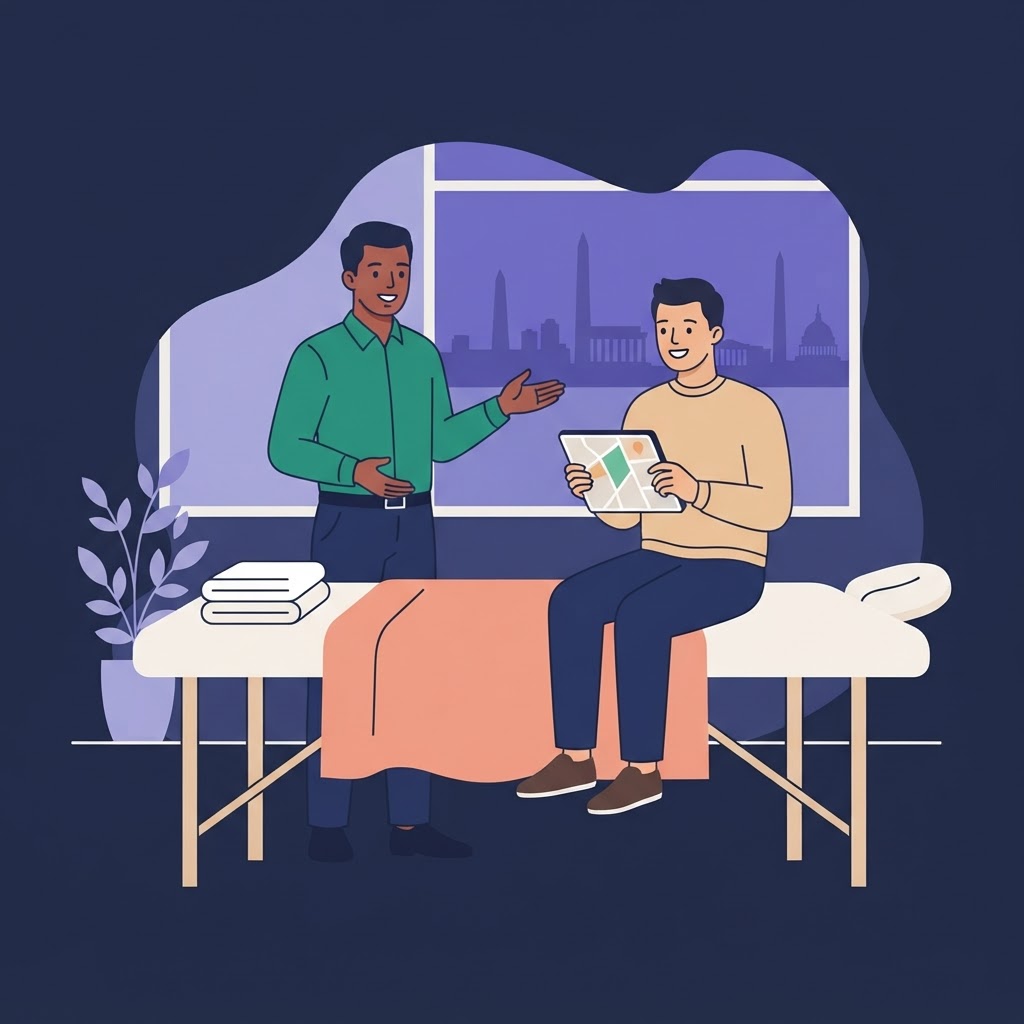
Regional Availability and Global Access
The search for "male masseurs near me" yields different results depending on your global location. Major metropolitan areas across North America, Europe, Latin America, Asia, and Australia maintain communities of independent male massage therapists serving local populations.
North American markets with significant availability include New York, Los Angeles, San Francisco, Chicago, Miami, Toronto, Vancouver, and dozens of secondary cities. These markets support both LGBTQ-focused practitioners and general therapeutic massage specialists.
European cities such as London, Paris, Berlin, Amsterdam, Barcelona, and Prague have well-established male massage communities. Language capabilities vary, with many practitioners offering services in English alongside local languages.
Asia-Pacific markets including Sydney, Melbourne, Bangkok, Singapore, and Tokyo combine Western massage modalities with traditional Asian techniques. These markets often feature therapists trained in both systems, offering unique fusion approaches.
Latin American cities like Mexico City, Buenos Aires, São Paulo, and Rio de Janeiro have growing communities of male massage therapists, with services often available at lower price points than North American or European equivalents.
The Role of Online Reviews and Testimonials
Client reviews provide valuable insights into therapist skills, professionalism, and client satisfaction. However, not all reviews carry equal weight, and learning to evaluate feedback critically helps you make better decisions.
Useful review indicators:
- Specific details about techniques used and results achieved
- Comments about professionalism, punctuality, and communication
- Descriptions of the massage environment and cleanliness
- Mentions of how the therapist addressed specific issues or requests
- Patterns across multiple reviews highlighting consistent strengths
Be cautious of reviews that seem overly generic, contain only superlatives without details, or appear to be written in very similar styles suggesting potential fabrication. The absence of reviews doesn't necessarily indicate poor quality, especially for newer practitioners who haven't accumulated feedback yet.
Privacy and Discretion Considerations
Many clients searching for male masseurs near me value privacy and discretion, particularly in smaller communities or when professional circumstances make visible LGBTQ+ connections sensitive. Legitimate massage therapists understand these concerns and maintain appropriate confidentiality.
Professional practitioners adhere to healthcare privacy standards, keeping client information confidential and secure. This includes:
- Not disclosing client identities or session details to others
- Maintaining secure records with appropriate privacy protections
- Conducting business communications discreetly via phone, text, or email
- Respecting clients' preferences regarding how they're contacted
- Using unmarked vehicles and discrete entrances for outcall services
Discretion works both ways. Clients should also respect therapist privacy, refrain from sharing personal information about practitioners without permission, and conduct themselves professionally during all interactions.
Health Conditions and Massage Contraindications
Certain health conditions require modification of massage techniques or complete avoidance of massage therapy. Responsible male masseurs conduct health intake screenings before each session and modify their approach based on your current health status.
Common contraindications requiring physician clearance:
- Recent surgery or active wounds
- Severe cardiovascular conditions
- Blood clotting disorders or anticoagulant therapy
- Cancer (depending on type, stage, and treatment status)
- Acute infections or fever
- Recent fractures or severe osteoporosis
- Uncontrolled diabetes with complications
Conditions requiring technique modification:
- High blood pressure (avoid vigorous techniques)
- Pregnancy (specialized prenatal training required; not typically offered by male masseurs serving male clients)
- Chronic pain syndromes (gentle, gradual approach)
- Recent soft tissue injuries (avoid inflamed areas initially)
Always disclose relevant health information to your massage therapist. Professional practitioners appreciate honesty and will work with you to provide safe, effective care within appropriate boundaries.
Making the Most of Each Session
Preparation enhances your massage experience and therapeutic outcomes. Simple steps before and after your session maximize benefits and help your body integrate the work.
Before your session:
- Hydrate well throughout the day
- Avoid heavy meals 60-90 minutes before massage
- Arrive on time (or have your space ready for outcall)
- Communicate clearly about problem areas and pressure preferences
- Remove jewelry that might interfere with massage
During your session:
- Communicate about pressure, temperature, and comfort
- Breathe normally rather than holding your breath
- Relax and allow the therapist to move your limbs
- Speak up about discomfort or areas needing more attention
- Ask questions about techniques or sensations you experience
After your session:
- Drink extra water to help flush metabolic waste
- Avoid strenuous activity for several hours
- Note areas of improvement and lingering tension
- Apply heat or ice as recommended by your therapist
- Schedule your next appointment while benefits are fresh
Legal and Regulatory Landscape in 2026
Massage therapy regulation continues evolving across jurisdictions in 2026. Understanding the current legal landscape helps you identify legitimate practitioners and avoid unlicensed individuals operating outside professional standards.
As of 2026, approximately 45 U.S. states require massage therapist licensure, while the remaining states regulate through local ordinances or have no formal regulation. The trend continues toward more comprehensive regulation, with several states implementing or strengthening requirements in recent years.
Canada maintains provincial regulation, with each province setting its own standards for practice, education, and professional conduct. Most Canadian provinces require substantial training (typically 2,200 hours) exceeding many U.S. state requirements.
European regulation varies significantly by country, from comprehensive professional frameworks in some nations to minimal oversight in others. The United Kingdom, for example, uses voluntary professional organization membership rather than government licensure, while countries like Germany maintain stricter regulatory oversight.
Recognizing and Avoiding Unprofessional Services
The phrase "male masseurs near me" can unfortunately surface both legitimate therapeutic practitioners and individuals offering services outside professional massage therapy boundaries. Distinguishing between these categories protects you from uncomfortable or potentially illegal situations.
Indicators of legitimate therapeutic practice:
- Clear display of professional credentials and licenses
- Detailed descriptions of massage modalities and therapeutic benefits
- Professional photos showing massage equipment and workspace
- Standard session lengths (60, 90, 120 minutes) with clear pricing
- Professional website or profile with contact information
- Membership in professional massage therapy organizations
Warning signs of non-therapeutic services:
- Vague references to "relaxation" without specific techniques
- Suggestive photos or language
- Unusual session structures or pricing models
- Resistance to discussing credentials or training
- Emphasis on physical attributes over therapeutic skills
- References to services beyond standard massage scope
Legitimate male massage therapists welcome questions about credentials, training, and professional boundaries. They maintain clear separation between therapeutic massage and any other activities.
Finding qualified male masseurs near me in 2026 requires understanding professional credentials, evaluating online profiles carefully, communicating clearly about your needs, and recognizing the markers of legitimate therapeutic practice. Whether you're seeking deep tissue work for athletic recovery, stress relief through Swedish massage, or specialized modalities tailored to your specific needs, the right male massage therapist can become a valuable partner in your ongoing wellness journey. PROMASSEURS connects clients with independent male massage therapists in hundreds of cities worldwide, allowing you to browse detailed profiles, compare specializations and rates, and contact practitioners directly to find the perfect match for your therapeutic goals and personal preferences.