Wellness Tips
Thai Massage vs Swedish Massage: Techniques, Benefits, and Which to Choose
Detailed comparison of Thai and Swedish massage techniques, benefits, and differences. Learn which massage style is right for your needs.
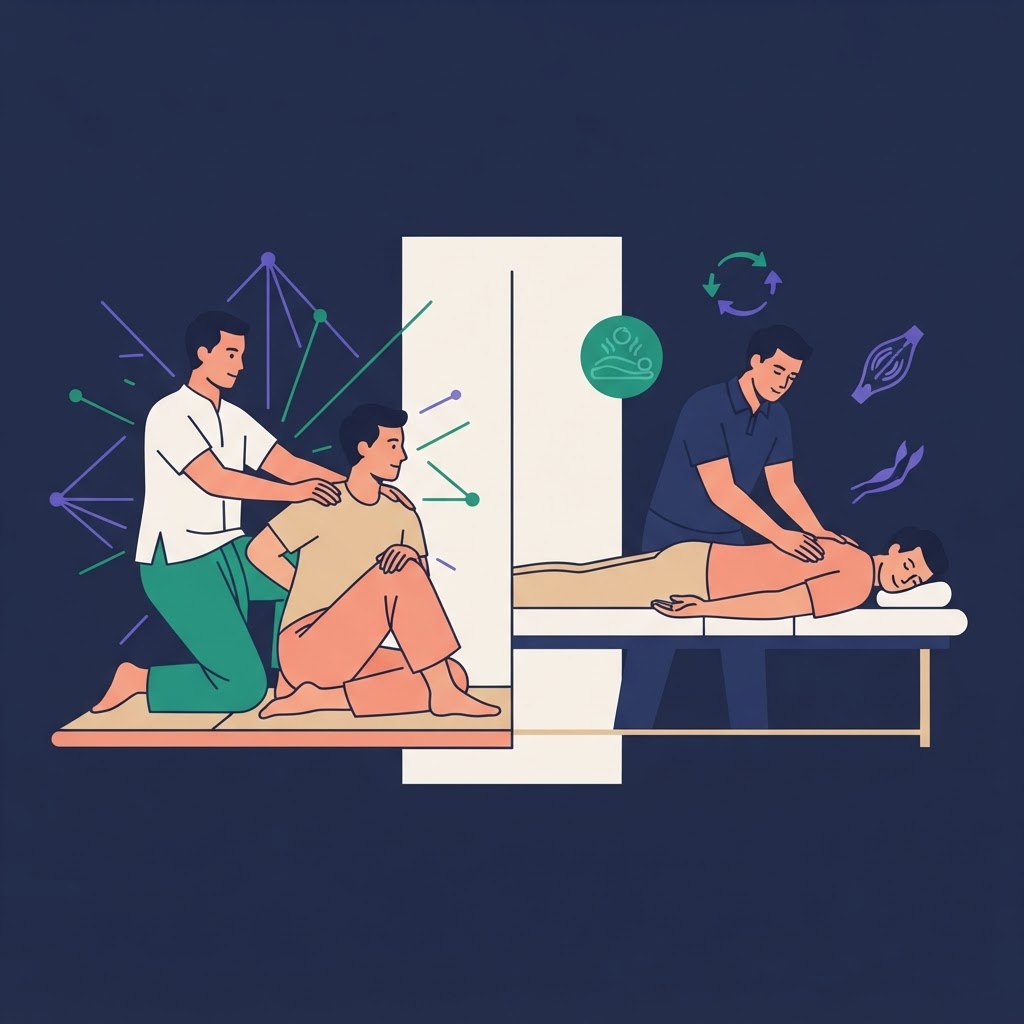
Thai Massage vs Swedish Massage: Techniques, Benefits, and Which to Choose
Thai massage and Swedish massage represent two fundamentally different approaches to bodywork, each with unique techniques, philosophies, and benefits. Understanding these differences helps you choose the right massage for your specific needs and preferences.
Swedish Massage: The Western Classic
Origins and Philosophy
Swedish massage was developed in the 1830s by Per Henrik Ling, a Swedish physiologist and fencing instructor. It's based on Western concepts of anatomy and physiology, focusing on:
- Muscle relaxation
- Improved circulation
- Stress reduction
- Physical comfort
- Systematic treatment of muscle groups
Core Techniques
Swedish massage employs five fundamental strokes:
1. Effleurage
- Long, gliding strokes
- Direction follows blood flow toward the heart
- Used to warm up muscles
- Promotes relaxation
- Applied with palms, thumbs, or fingertips
2. Petrissage
- Kneading, rolling, and lifting
- Deeper than effleurage
- Releases muscle tension
- Improves tissue elasticity
- Stimulates deeper tissues
3. Tapotement
- Rhythmic percussion
- Cupping, hacking, pounding
- Energizing and stimulating
- Loosens muscles
- Typically used briefly
4. Friction
- Deep circular or cross-fiber movements
- Generates heat
- Breaks down adhesions
- Increases local circulation
- Addresses specific tight areas
5. Vibration
- Oscillating or shaking movements
- Relaxes and stimulates
- Releases tension
- Affects nervous system
- Can be gentle or vigorous
What to Expect
Setting:
- Massage table
- Soft lighting
- Calming music
- Aromatherapy (optional)
- Private, quiet room
Preparation:
- Undress to comfort level
- Lie on padded massage table
- Covered with sheets for warmth and modesty
- Only area being worked is exposed
During Treatment:
- Therapist uses massage oil or lotion
- Continuous, flowing movements
- Systematic coverage of body parts
- Passive experience for client
- Duration typically 60-90 minutes
Pressure:
- Light to firm (adjustable)
- Client controls intensity
- Generally comfortable
- No pain involved
Primary Benefits
Physical:
- Reduced muscle tension
- Improved circulation
- Enhanced flexibility
- Pain relief
- Better sleep
- Immune system support
Mental/Emotional:
- Stress reduction
- Anxiety relief
- Improved mood
- Mental relaxation
- Enhanced sense of wellbeing
Best For:
- First-time massage clients
- Stress and anxiety relief
- General relaxation
- Light to moderate muscle tension
- Improving circulation
- Better sleep
Thai Massage: Ancient Healing Art
Origins and Philosophy
Thai massage dates back 2,500 years to ancient Thailand (formerly Siam). It's rooted in:
- Traditional Chinese Medicine
- Ayurvedic principles from India
- Yoga philosophy
- Buddhist healing traditions
- Energy line (sen) theory
Core Concept: Health problems arise from blockages in energy pathways. Thai massage clears these blockages to restore balance and healing.
Core Techniques
Thai massage uses a unique combination of:
1. Acupressure
- Pressure applied to specific points
- Releases energy blockages
- Follows sen (energy) lines
- Uses thumbs, palms, elbows, feet
- Rhythmic and meditative
2. Assisted Stretching
- Passive yoga-like stretches
- Therapist moves client's body
- Increases flexibility
- Releases tension
- Improves joint mobility
3. Compression
- Rhythmic pressing
- Applied to muscle groups
- Uses hands, feet, elbows
- Releases deep tension
- Stimulates energy flow
4. Joint Mobilization
- Gentle manipulation
- Increases range of motion
- Improves flexibility
- Releases stiffness
- Enhances joint health
What to Expect
Setting:
- Floor mat or futon
- Cushions for support
- Open, spacious area
- May include incense
- Often in dedicated Thai massage space
Preparation:
- Remain fully clothed
- Wear loose, comfortable clothing
- No oils or lotions used
- Remove jewelry
- Empty pockets
During Treatment:
- Lie on padded mat on floor
- Therapist uses body weight
- Moved into various positions
- Active stretching involvement
- Duration typically 90-120 minutes
Sensation:
- Can be intense
- Some discomfort normal
- Deep pressure common
- Stretching may feel strong
- Meditative, rhythmic quality
Primary Benefits
Physical:
- Dramatically improved flexibility
- Enhanced joint mobility
- Reduced muscle tension
- Better posture
- Increased energy
- Improved athletic performance
Energetic:
- Balanced energy flow
- Cleared blockages
- Enhanced vitality
- Improved qi/prana circulation
- Spiritual connection (for some)
Mental/Emotional:
- Deep relaxation
- Meditative state
- Stress relief
- Mental clarity
- Emotional release
Best For:
- Athletes and active people
- Those seeking flexibility
- People with limited range of motion
- Individuals interested in energy work
- Those comfortable with deeper pressure
- Anyone wanting something different from Western massage
Key Differences Compared
Technique and Approach
Swedish Massage:
- Hands-on muscle manipulation
- Uses massage oil
- Focuses on muscles and soft tissue
- Systematic, methodical approach
- Passive client participation
Thai Massage:
- Acupressure and stretching
- No oils or lotions
- Focuses on energy lines and whole body
- Flowing, dance-like movements
- Some active client participation
Setting and Attire
Swedish Massage:
- Massage table
- Client undressed (to comfort level)
- Draped with sheets
- Private, quiet environment
- Uses oils and lotions
Thai Massage:
- Floor mat
- Client fully clothed
- Loose, comfortable attire
- Open space needed
- No oils or lotions
Duration
Swedish Massage:
- Standard: 60 minutes
- Common: 60-90 minutes
- Occasional: 30 or 120 minutes
Thai Massage:
- Traditional: 2-3 hours
- Western adaptation: 90-120 minutes
- Minimum recommended: 90 minutes
Pressure and Intensity
Swedish Massage:
- Light to moderate (typically)
- Easily adjustable
- Client controls intensity
- Generally comfortable
- Deep tissue version available
Thai Massage:
- Moderate to deep
- Can be quite intense
- Traditional approach is firm
- Some discomfort expected
- Communication important
Physical vs Energetic Focus
Swedish Massage:
- Primarily physical
- Based on Western medicine
- Targets muscles and circulation
- Evidence-based approach
- Measurable physical results
Thai Massage:
- Physical and energetic
- Based on Eastern medicine
- Targets energy lines and balance
- Holistic philosophy
- Physical and subtle effects
Health Benefits Compared
Pain Relief
Swedish Massage:
- Effective for general muscle pain
- Good for tension headaches
- Addresses localized soreness
- Reduces inflammation
- Improves chronic pain conditions
Thai Massage:
- Excellent for joint pain
- Effective for mobility issues
- Addresses structural problems
- Reduces chronic tension patterns
- Improves movement-related pain
Flexibility and Range of Motion
Swedish Massage:
- Moderate improvement
- Indirect benefits through relaxation
- Gentle stretching sometimes included
- Supports other flexibility work
Thai Massage:
- Dramatic improvement
- Direct focus on stretching
- Significant increase in range of motion
- Comparable to yoga benefits
- Long-lasting flexibility gains
Stress and Relaxation
Swedish Massage:
- Immediate relaxation
- Reduces cortisol effectively
- Promotes better sleep
- Gentle, soothing experience
- Calms nervous system directly
Thai Massage:
- Deep, meditative relaxation
- May initially feel stimulating
- Profound calm afterwards
- Balances energy for lasting peace
- Addresses stress on multiple levels
Athletic Performance
Swedish Massage:
- Good for general recovery
- Reduces muscle soreness
- Improves circulation
- Supports training
- Best as complement to sports massage
Thai Massage:
- Excellent for flexibility
- Enhances performance
- Improves functional movement
- Addresses biomechanical issues
- Popular among athletes and yogis
Energy and Vitality
Swedish Massage:
- Relaxing, may reduce energy short-term
- Improves energy through stress reduction
- Better sleep increases vitality
- Indirect energy benefits
Thai Massage:
- Often energizing
- Balances and increases energy
- Clears energy blockages
- Enhances vitality
- Leaves clients feeling refreshed
Choosing the Right Massage for You
Choose Swedish Massage If:
- You're new to massage
- You prefer gentle, soothing touch
- You want to relax and de-stress
- You like the traditional spa experience
- You're uncomfortable being stretched
- You prefer being undressed (with draping)
- You want targeted muscle work
- You have 60 minutes or less
- You prefer working with oil
- You want predictable, familiar experience
Choose Thai Massage If:
- You're flexible or want to improve flexibility
- You enjoy yoga or similar practices
- You're comfortable with deeper pressure
- You prefer staying clothed
- You're interested in energy work
- You want something more active
- You have 90+ minutes available
- You're open to new experiences
- You want dramatic flexibility improvements
- You need full-body mobilization
Consider Both If:
- You want variety in your wellness routine
- Different needs at different times
- You enjoy both Eastern and Western approaches
- You want comprehensive body care
- You're addressing multiple health goals
Can You Combine Elements?
Many therapists offer integrated sessions:
Fusion Massage:
- Combines Swedish and Thai techniques
- Usually on massage table
- May use oil for some strokes
- Includes assisted stretching
- Offers benefits of both modalities
Benefits:
- Customized to your needs
- Best of both worlds
- Flexibility of approach
- Addresses multiple goals
- Often ideal for modern clients
Cost Comparison
Pricing is generally similar:
Swedish Massage:
- 60 minutes: $70-120
- 90 minutes: $100-180
- Widely available
- Standard spa rates
Thai Massage:
- 90 minutes: $100-150
- 120 minutes: $130-200
- May cost more per hour
- Less widely available
- Often from specialized practitioners
Safety and Contraindications
Both Massage Types
Avoid or consult doctor with:
- Recent surgery
- Acute injuries
- Severe osteoporosis
- Blood clotting disorders
- Certain skin conditions
- Uncontrolled high blood pressure
- Active cancer
Thai Massage Specific
Extra caution with:
- Joint problems
- Herniated discs
- Pregnancy (especially first trimester)
- Limited flexibility
- Recent sprains or strains
- Arthritis flare-ups
Final Recommendations
For Beginners
Start with Swedish massage:
- More familiar
- Gentler introduction
- Easier to relax
- More predictable
- Widely available
Progress to Thai massage when:
- Comfortable with bodywork
- Interested in something different
- Ready for deeper work
- Want more active involvement
For Regular Massage Clients
Try both and see what resonates:
- Different strokes for different folks
- Needs change over time
- Both offer unique benefits
- Many people enjoy alternating
- Listen to your body
For Specific Goals
Relaxation: Swedish massage Flexibility: Thai massage Pain relief: Try both, see what works Athletic performance: Thai massage First-time massage: Swedish massage Energy work interest: Thai massage General wellness: Either or both Injury recovery: Consult therapist for best option
Conclusion
Swedish and Thai massage represent two excellent but different approaches to bodywork. Swedish massage offers gentle relaxation and stress relief through muscle manipulation on a massage table. Thai massage provides deep stretching and energy work on a floor mat while fully clothed.
Neither is inherently better—they serve different purposes:
- Swedish excels at relaxation and gentle muscle work
- Thai excels at flexibility and energetic balance
- Both effectively reduce stress and improve wellbeing
- Many benefit from experiencing both
The best choice depends on your goals, preferences, comfort level, and what your body needs at any given time.
Ready to experience professional massage therapy? Browse our directory to find therapists offering Swedish massage, Thai massage, or integrated techniques combining the best of both traditions.
Illustrated guide to Thai Massage vs Swedish Massage: Techniques, Benefits, and Which to Choose