Wellness Tips
Gay Massage Near Me: How to Find LGBTQ+ Friendly Bodywork Services
Gay Massage Near Me: How to Find LGBTQ+ Friendly Bodywork Services Finding a gay-friendly massage therapist means more than just booking a massage—it's
Gay Massage Near Me: How to Find LGBTQ+ Friendly Bodywork Services
Finding a gay-friendly massage therapist means more than just booking a massage—it's about finding a professional who creates a safe, inclusive environment where you can fully relax and benefit from therapeutic bodywork. This guide helps you navigate the process of finding qualified, welcoming massage services in your area.
Why Gay-Friendly Massage Matters
The Importance of a Safe Space
For many LGBTQ+ individuals, massage therapy involves vulnerability:
- Physical Vulnerability: Undressing and being touched
- Emotional Vulnerability: Trusting a stranger
- Identity Safety: Being accepted for who you are
- Judgment-Free Care: No assumptions or discomfort
- Professional Boundaries: Clear ethical standards
The Difference It Makes
A truly gay-friendly massage therapist:
- Uses inclusive language and intake forms
- Doesn't make assumptions about relationships or gender
- Respects all identities and orientations
- Creates an affirming environment
- Has experience with LGBTQ+ clients
- Understands community-specific wellness needs
- Maintains strict professional boundaries
- Advocates for LGBTQ+ health and wellness
What "Gay Massage" Really Means
Professional vs. Inappropriate Services
Legitimate Gay Massage Therapy Is:
- Professional therapeutic bodywork
- Provided by licensed massage therapists
- Focused on health, wellness, and pain relief
- Maintains clear professional boundaries
- Follows state laws and ethical guidelines
- Covered by liability insurance
- Part of the healthcare spectrum
It Is NOT:
- An erotic service
- Sexual in nature
- A substitute for intimacy
- Illegal or unethical
- Provided by unlicensed individuals
The Professional Standard
Legitimate massage therapists:
- Have state licenses and certifications
- Follow strict codes of ethics
- Use proper draping at all times
- Maintain professional communication
- Focus solely on therapeutic goals
- Never engage in sexual contact
- Will terminate sessions if boundaries are crossed
How to Find Gay-Friendly Massage Therapists
Online Directories
Specialized Platforms:
- ProMasseurs: Directory specifically for male and gay-friendly massage therapists
- LGBTQ+ Business Directories: Local pride chamber listings
- Gay City Guides: Often list wellness services
- Community Forums: Ask for recommendations
General Directories:
- MassageBook
- Soothe
- Zeel
- AMTA Therapist Locator
- ABMP Therapist Finder
Search Tips:
- Use keywords: "gay-friendly," "LGBTQ+ affirming," "inclusive"
- Check "About" sections for inclusive language
- Look for rainbow flags or pride symbols
- Read all reviews carefully
- Check if they list LGBTQ+ experience
Google Search Strategies
Effective Search Terms:
- "gay massage therapist [your city]"
- "gay-friendly massage [your city]"
- "male massage therapist [your city]"
- "LGBTQ+ massage [your city]"
- "m4m massage [your city]"
- "inclusive massage therapy [your city]"
Evaluating Results:
- Check Google reviews
- Visit therapist websites
- Look for inclusivity statements
- Verify licenses
- Read about their approach
- Check photos of space
Social Media
Instagram and Facebook:
- Search hashtags: #gaymassage #lgbtqwellness #gayfriendlymassage
- Check location tags in your city
- Look for pride flags in profiles
- See who they follow and engage with
- Review client testimonials
- Assess professionalism of content
Local LGBTQ+ Groups:
- Facebook community groups
- Pride organization pages
- LGBTQ+ health centers
- Gay sports leagues
- Queer professional networks
Word of Mouth
Ask For Recommendations:
- Friends in the LGBTQ+ community
- Your physician (especially LGBTQ+ friendly doctors)
- Physical therapists
- Yoga instructors
- Gym trainers
- Pride center staff
- Local LGBTQ+ bookstores or cafes
Questions to Ask:
- "Do you have a massage therapist you trust?"
- "Have you felt comfortable and safe with them?"
- "What makes them gay-friendly?"
- "What's their specialty?"
- "How are their prices?"
LGBTQ+ Health Centers
Many cities have LGBTQ+ health centers that:
- Offer massage therapy
- Maintain referral lists
- Employ or recommend gay-friendly providers
- Provide sliding scale fees
- Focus on community health
Examples:
- Callen-Lorde (NYC)
- Fenway Health (Boston)
- Howard Brown Health (Chicago)
- LA LGBT Center (Los Angeles)
- Chase Brexton (Baltimore)
Red Flags to Watch For
Warning Signs of Illegitimate Services
Immediate Red Flags:
- No visible license or credentials
- Suggestive photos or language
- "Happy ending" references
- Prices significantly below market rate
- Meeting in hotels or non-professional spaces
- Requests for sexual orientation before booking
- Vague about qualifications
- No professional website or presence
- Poor reviews or complaints about boundaries
- Cash-only with no receipt
During Initial Contact:
- Inappropriate questions
- Sexual innuendo
- Pressure to book immediately
- Won't provide license number
- Evasive about credentials
- No clear cancellation policy
- Unclear about services offered
Verifying Legitimacy
Check State Licensing Board:
- Find your state's massage therapy board
- Search therapist's name
- Verify active license
- Check for disciplinary actions
- Confirm continuing education
Verify Insurance:
- Ask for proof of liability insurance
- Legitimate therapists carry $1-2M coverage
- Should provide certificate willingly
Professional Association Membership:
- AMTA member directory
- ABMP member search
- State massage association listings
What to Look For in a Gay-Friendly Therapist
Qualifications
Required:
- State massage therapy license
- Liability insurance
- Clean background check
- Continuing education
Preferred:
- 2+ years experience
- Specialized training (sports, deep tissue, etc.)
- LGBTQ+ cultural competency training
- Positive reviews from LGBTQ+ clients
- Professional association membership
Inclusivity Indicators
On Website/Marketing:
- Inclusive language ("all genders," "partners")
- Rainbow flags or pride symbols
- Explicit welcome statement for LGBTQ+ clients
- Gender-neutral intake forms
- Preferred pronouns listed
- Photos showing diversity
In Practice:
- Gender-neutral bathrooms
- Inclusive intake questions
- No assumptions about relationships
- Respectful of chosen names and pronouns
- Knowledgeable about LGBTQ+ health issues
- Comfortable with all bodies and identities
Interview Questions
Before booking, ask:
- "Do you have experience with LGBTQ+ clients?"
- "What makes your practice gay-friendly?"
- "How do you ensure a comfortable environment for all clients?"
- "What are your professional boundaries?"
- "Can you describe your typical session?"
Trust your gut—their answers should feel genuine and professional.
Your First Appointment
Before You Go
Preparation:
- Confirm appointment details
- Know cancellation policy
- Shower beforehand
- Avoid heavy meals
- Hydrate well
- Arrive 10 minutes early
- Prepare questions
- Bring comfortable clothing (for after)
What to Bring:
- ID and insurance card (if applicable)
- Payment method
- List of medications (if relevant)
- Questions or concerns written down
- Water bottle
During the Consultation
The therapist should ask about:
- Health history
- Current medications
- Injuries or surgeries
- Areas of pain or tension
- Pressure preferences
- Goals for treatment
- Any concerns or questions
You should feel comfortable:
- Being honest about your needs
- Asking questions
- Setting boundaries
- Expressing preferences
- Discussing concerns
During the Session
What's Normal:
- Privacy to undress
- Professional draping (sheet or towel)
- Only working area exposed
- Regular pressure checks
- Professional, health-focused conversation
- Relaxing music and lighting
- Comfortable temperature
Communication:
- Speak up about pressure (too much/too little)
- Indicate if anything feels uncomfortable
- Ask questions if curious
- Let them know if you're cold or need adjustment
- Provide feedback
Red Flags During Session:
- Inappropriate touching
- Sexual comments or innuendo
- Poor draping practices
- Ignoring your feedback
- Making you feel uncomfortable
- Asking inappropriate personal questions
If You Feel Uncomfortable:
- You can stop the session at any time
- You don't owe an explanation
- Leave if you feel unsafe
- Report inappropriate behavior
- You deserve respect always
Special Considerations for LGBTQ+ Clients
Transgender and Non-Binary Clients
What to Look For:
- Experience with transgender clients
- Understanding of gender dysphoria
- Sensitivity to body image issues
- Respect for privacy
- Gender-affirming language
- Knowledge of hormone therapy effects on muscle
Questions to Ask:
- "Have you worked with transgender clients?"
- "How do you approach draping for clients with dysphoria?"
- "Are you comfortable working with bodies at any stage of transition?"
Post-Operative Care
For Clients After Surgery:
- Some therapists specialize in post-surgical massage
- Important for top surgery, bottom surgery, facial surgery
- Timing matters (wait for physician clearance)
- Gentle techniques promote healing
- Reduces scar tissue
- Improves range of motion
When to Start:
- After physician clearance (usually 6-8 weeks)
- Start very gently
- Progress as healing allows
- Communicate about sensation
- Work with surgical team
HIV+ Clients
Important Information:
- Massage is safe for HIV+ individuals
- Many health benefits for immune function
- No risk of transmission through massage
- Therapists should be educated on HIV
- No need to disclose unless you choose to
- Some therapists specialize in HIV+ care
Considerations:
- Gentle pressure if dealing with neuropathy
- Avoid deep work if platelet count is low
- Some medications affect bruising
- Coordinate with healthcare team
- Focus on stress reduction and immune support
Pricing and Value
What to Expect
Average Rates:
- New therapists: $60-80/hour
- Experienced: $80-120/hour
- Specialists: $100-150/hour
- Mobile service: +$20-40
Factors Affecting Price:
- Location (urban vs. rural)
- Experience level
- Specializations
- Demand
- Overhead costs
- Type of massage
Getting the Best Value
Package Deals:
- 3-pack: Usually 5-10% discount
- 6-pack: 10-15% discount
- Monthly membership: 15-20% discount
Timing:
- Weekday mornings often cheaper
- Off-peak hours (Tuesday-Thursday)
- New client specials
- Seasonal promotions
Insurance:
- Some health insurance covers massage
- Requires prescription from doctor
- Must be medical necessity
- FSA/HSA funds may apply
- Workers' comp for work injuries
Building a Relationship with Your Therapist
Communication
Be Clear About:
- Your goals and expectations
- Areas needing attention
- Pressure preferences
- Any discomfort during session
- Schedule preferences
- Budget constraints
Ask Questions:
- About techniques being used
- Self-care recommendations
- Frequency of sessions needed
- Expected timeline for improvement
- Anything you're curious about
Regular Appointments
Benefits of Consistency:
- Better results
- Therapist learns your body
- Customized treatment
- Preventive care
- Accountability
- Often better rates (packages/memberships)
Recommended Frequency:
- General Wellness: Monthly
- Active Lifestyle: Bi-weekly
- Chronic Pain: Weekly initially
- Injury Recovery: 2-3x weekly
- Stress Management: Weekly during high-stress periods
Providing Feedback
During Session:
- Pressure level
- Areas needing more attention
- Discomfort or pain
- Temperature
- Positioning
After Session:
- What worked well
- What could be improved
- Results experienced
- Questions about self-care
- Scheduling preferences
Between Sessions:
- How treatment is holding
- New issues that arise
- Changes in your needs
- Positive results
- Referral opportunities
Virtual Consultations and Telehealth
What's Available
Many therapists now offer:
- Virtual Consultations: Discuss your needs before booking
- Self-Care Coaching: Learn techniques via video
- Movement Assessments: Evaluate posture and mechanics remotely
- Follow-Up Guidance: Check progress between sessions
- Stretching Programs: Personalized routines
Benefits
- Preview the therapist before in-person commitment
- Learn self-care between sessions
- More affordable option
- Convenient scheduling
- Accessible from anywhere
COVID-19 and Safety Protocols
What to Expect
Safety Measures:
- Vaccination status (many therapists require proof)
- Masking policies (varies by local regulations)
- Enhanced cleaning between clients
- Air filtration systems
- Health screening questions
- Temperature checks
- Hand sanitizer available
- Limited waiting room time
Your Responsibilities:
- Cancel if you feel sick
- Follow therapist's safety protocols
- Respect their boundaries
- Be honest about symptoms
- Wear mask if required
Mobile Massage Services
Advantages
Convenience:
- Therapist comes to you
- No travel required
- Comfort of your space
- Flexibility
- Privacy
Best For:
- Busy professionals
- Those without transportation
- Individuals with mobility issues
- Home-based relaxation
- Special occasions (parties, events)
Considerations
Preparation:
- Clear space for massage table
- Comfortable room temperature
- Minimize noise and distractions
- Dim lighting available
- Access for therapist and equipment
- Pets secured
- Parking or building access arranged
Cost:
- Typically $20-50 more than in-studio
- Travel fees may apply
- Minimum session time often required
- Package deals available
Safety
When Booking Mobile Service:
- Verify license and credentials
- Check reviews thoroughly
- Use established platforms when possible
- Someone else home is ideal (first session)
- Trust your instincts
- Book through official channels
Massage Modalities Popular in Gay-Friendly Practices
Swedish Massage
What It Is: Gentle, flowing massage focused on relaxation and stress relief.
Best For:
- First-time clients
- Stress reduction
- General wellness
- Sleep improvement
Deep Tissue Massage
What It Is: Firmer pressure targeting deeper muscle layers and chronic tension.
Best For:
- Chronic pain
- Sports recovery
- Postural issues
- Specific problem areas
Sports Massage
What It Is: Specialized work for athletes focusing on performance and injury prevention.
Best For:
- Active individuals
- Pre/post-event preparation
- Injury recovery
- Flexibility improvement
Thai Massage
What It Is: Energy-based massage with stretching, performed on a mat while clothed.
Best For:
- Flexibility
- Energy balancing
- Full-body mobilization
- Those who prefer staying dressed
Trigger Point Therapy
What It Is: Targeted pressure on specific muscle knots (trigger points) to release pain.
Best For:
- Chronic pain
- Headaches
- Referred pain patterns
- Specific problem areas
Aromatherapy Massage
What It Is: Massage combined with essential oils for enhanced relaxation and therapeutic benefits.
Best For:
- Stress relief
- Enhanced relaxation
- Mood improvement
- Holistic wellness
Special Services and Add-Ons
Hot Stone Massage
- Heated stones placed on body
- Deep heat penetrates muscles
- Extremely relaxing
- Good for chronic pain
- Adds $15-30 to session cost
Cupping Therapy
- Suction cups release fascia
- Improves blood flow
- Reduces muscle tension
- May leave temporary marks
- Adds $20-40 to session
Stretching and Mobility Work
- Passive stretching
- Joint mobilization
- Flexibility improvement
- Functional movement training
- Often included in sports massage
Reflexology
- Pressure points on feet
- Promotes healing throughout body
- Very relaxing
- Based on Traditional Chinese Medicine
- Can be standalone or add-on
Creating Your Massage Wellness Plan
Setting Goals
Common Goals:
- Stress management
- Pain reduction
- Improved flexibility
- Better sleep
- Enhanced athletic performance
- Postural correction
- Injury prevention
- Overall wellness
Determining Frequency
Factors to Consider:
- Your goals
- Budget availability
- Severity of issues
- Therapist recommendations
- Your schedule
- Results achieved
General Guidelines:
- Prevention: Monthly
- Maintenance: Bi-weekly
- Treatment: Weekly
- Intensive: 2-3x weekly
Tracking Progress
Keep Notes On:
- Pain levels (1-10 scale)
- Sleep quality
- Stress levels
- Range of motion
- Energy levels
- Overall well-being
- Specific improvements
Benefits of Tracking:
- Shows what's working
- Motivates consistency
- Helps therapist adjust treatment
- Demonstrates value
- Identifies patterns
Etiquette and Best Practices
Booking
- Book in Advance: Especially for popular therapists
- Confirm Appointments: 24-48 hours before
- Cancel Responsibly: Give 24+ hours notice
- Be Punctual: Arrive 5-10 minutes early
- Provide Accurate Information: Health history, contact info
During Appointment
- Shower Before: Basic courtesy
- Silence Phone: Avoid disruptions
- Communicate: Speak up about pressure, temperature, comfort
- Respect Time: Session starts and ends on schedule
- Stay Present: Try not to talk excessively (unless therapeutic)
Payment and Tipping
Payment:
- Have payment method ready
- Ask about accepted forms
- Keep receipts for taxes/insurance
- Understand cancellation fees
Tipping:
- Spa settings: 15-20%
- Independent practitioners: Optional but appreciated
- Medical massage: Typically no tip
- Use your judgment
Building Trust
- Be honest about health conditions
- Follow self-care recommendations
- Show up consistently
- Respect their time
- Provide feedback
- Refer friends when appropriate
- Write positive reviews
Addressing Common Concerns
"Will I Be Comfortable?"
Legitimate therapists prioritize your comfort:
- You control what you wear
- Professional draping always used
- Communication is ongoing
- You can adjust anything
- Sessions stop if you're uncomfortable
"What If I Get Aroused?"
This is a natural physiological response:
- It happens occasionally
- Professional therapists are trained to handle it
- Not considered sexual
- No need to be embarrassed
- Therapist will maintain professionalism
- Focus on breathing and relaxation
"How Do I Know It Won't Be Sexual?"
Legitimate massage therapy is never sexual:
- Licensed therapists risk losing license
- Professional ethics strictly prohibit it
- Proper draping prevents exposure
- Focus is therapeutic, not sensual
- Clear boundaries maintained
If Boundaries Are Crossed:
- End session immediately
- Leave without payment
- Report to state licensing board
- File police report if appropriate
- Warn others through reviews
Building Your Wellness Team
Integrating Massage with Other Care
Massage works best as part of comprehensive care:
Primary Care Physician:
- Overall health monitoring
- Medical clearances
- Coordination of care
Physical Therapist:
- Injury rehabilitation
- Movement education
- Corrective exercise
Mental Health Professional:
- Stress management
- Trauma healing
- Anxiety treatment
Chiropractor:
- Spinal alignment
- Joint health
- Nervous system function
Personal Trainer:
- Strength building
- Injury prevention
- Performance enhancement
Massage Therapist:
- Muscle tension relief
- Recovery support
- Stress reduction
- Flexibility improvement
Communication Between Providers
With your permission, your massage therapist can:
- Coordinate with other providers
- Share relevant findings
- Integrate treatment approaches
- Support comprehensive care
- Optimize your outcomes
Legal Rights and Protections
Your Rights as a Client
- Informed Consent: Understand what will happen
- Privacy: HIPAA protections apply
- Dignity: Respectful treatment always
- Boundaries: Set and maintain your limits
- Refusal: Decline any technique or approach
- Safety: Professional, sanitary environment
What to Do If Rights Are Violated
- Document: Write down what happened
- Report: Contact state licensing board
- Review: Leave honest review (without defamation)
- Police: If assault occurred
- Support: Reach out to LGBTQ+ advocacy groups
Discrimination Protections
In many jurisdictions:
- Sexual orientation discrimination is illegal
- Gender identity discrimination is illegal
- You have legal recourse
- LGBTQ+ legal organizations can help
If you experience discrimination:
- Document the incident
- Report to appropriate authorities
- Contact LGBTQ+ legal advocacy groups
- File complaints with licensing boards
- Leave honest reviews to warn others
Conclusion
Finding a gay-friendly massage therapist doesn't have to be difficult. By using the right resources, asking the right questions, and trusting your instincts, you can find a qualified professional who provides excellent therapeutic care in a safe, affirming environment.
Remember:
- Legitimate massage is professional healthcare
- You deserve respect and quality care
- Gay-friendly means inclusive and affirming
- Your comfort and safety come first
- Professional boundaries are non-negotiable
- Great therapists are out there—find yours!
Massage therapy offers profound benefits for physical and mental health. Everyone deserves access to quality, affirming care. Take the time to find a therapist who respects you, understands your needs, and provides the professional service you deserve.
Ready to find your gay-friendly massage therapist? Browse our directory of licensed, vetted professionals who are committed to providing inclusive, respectful care for LGBTQ+ clients and allies alike.
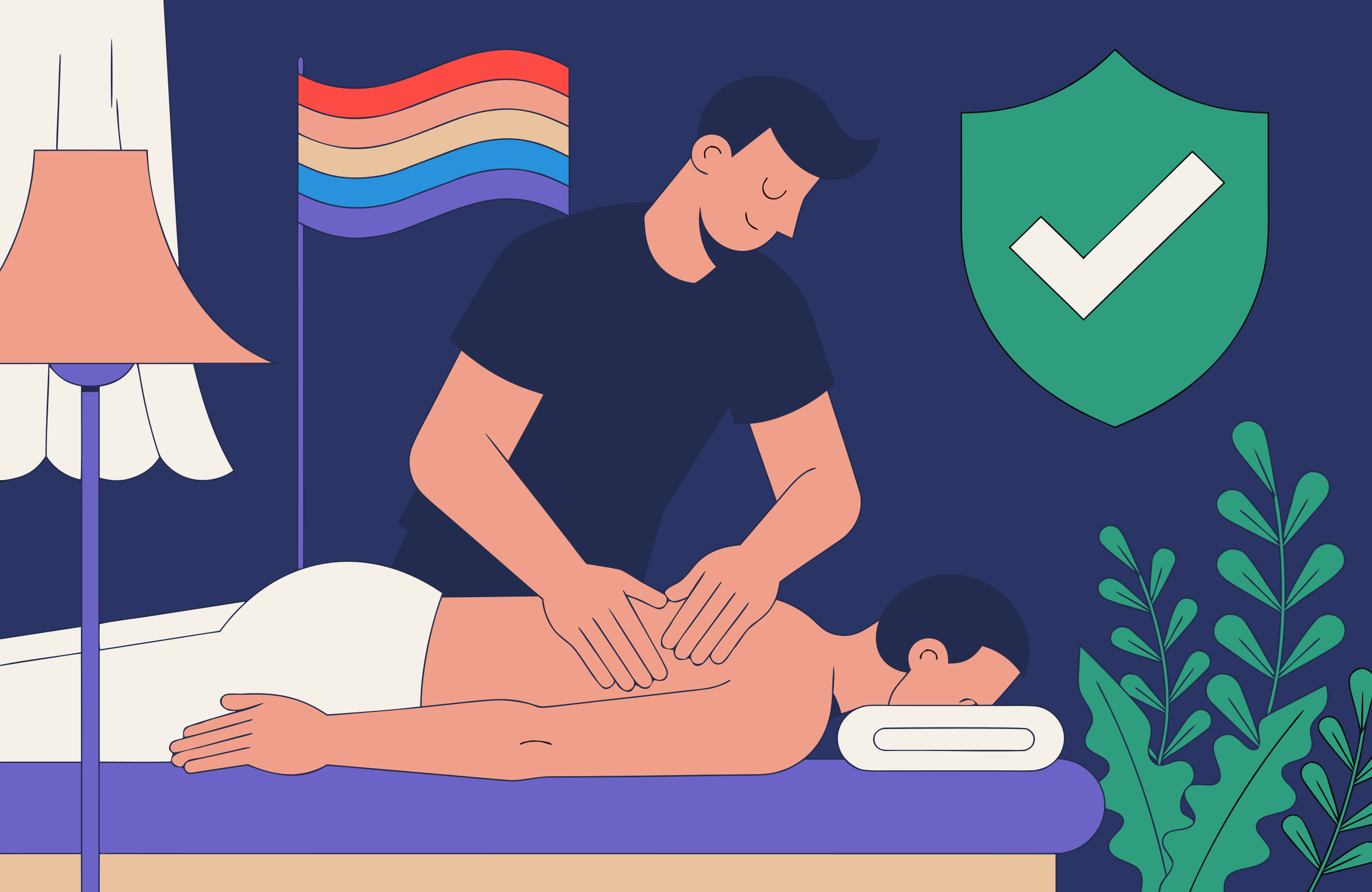
Illustrated guide to Gay Massage Near Me: How to Find LGBTQ+ Friendly Bodywork Services