Massage Therapy
Gay Spas: Wellness, Community & Culture in 2026
Explore the evolution of gay spas from historic bathhouses to modern wellness destinations. Discover services, etiquette, and what to expect.
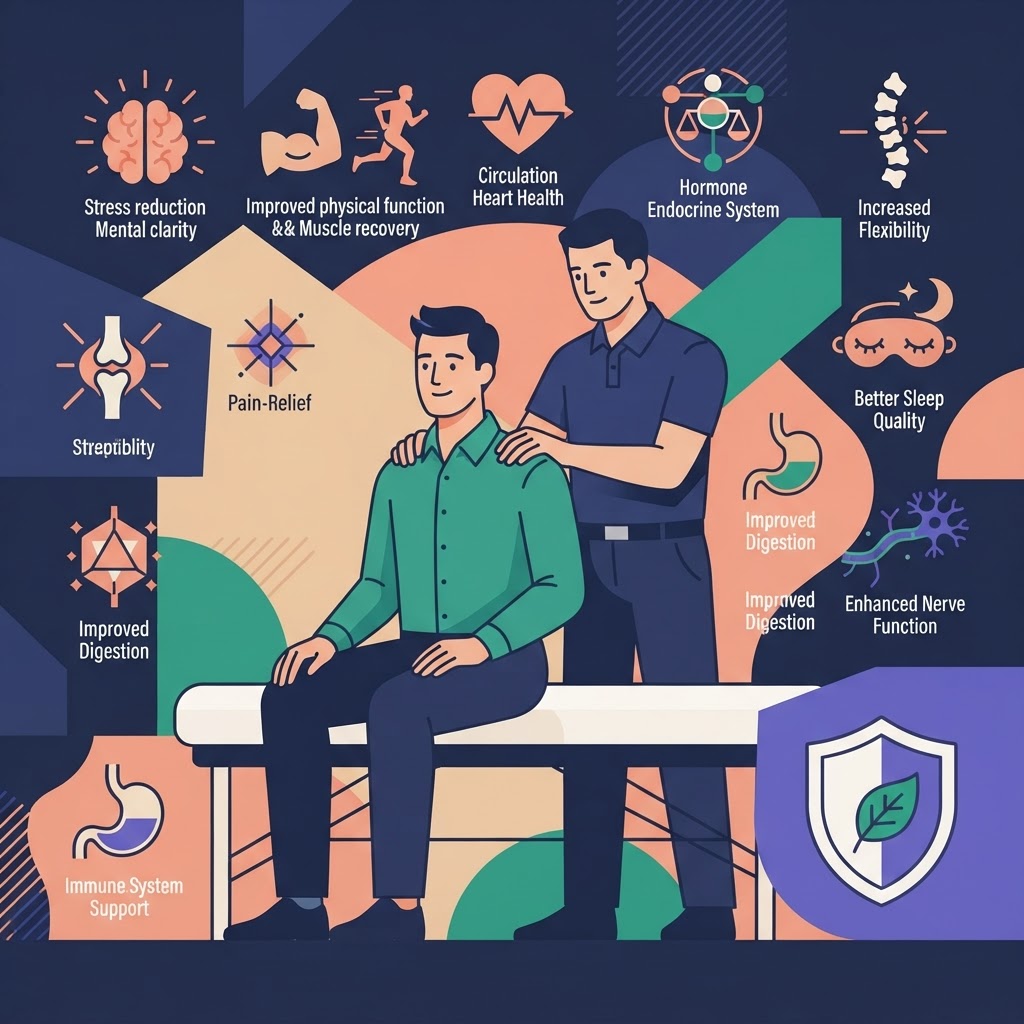
Gay spas occupy a unique intersection of wellness, community, and LGBTQ+ culture. For decades, these spaces have served as more than simple relaxation destinations-they have functioned as sanctuaries where gay and bisexual men can unwind, connect, and prioritize self-care in affirming environments. Understanding the landscape of gay spas in 2026 requires examining their historical roots, the services they offer, the cultural role they continue to play, and how independent wellness practitioners contribute to this ecosystem.
The Historical Context of Gay Spas and Bathhouses
The story of gay spas cannot be separated from the broader history of LGBTQ+ gathering spaces. Throughout the twentieth century, when social acceptance was scarce and legal protections nonexistent, bathhouses and spa-like venues provided critical safe havens. These establishments allowed men to meet, socialize, and express themselves without fear of harassment or arrest in an era when same-sex relationships were criminalized in many jurisdictions.
Scholarly research on San Francisco's bathhouse culture documents how these venues became central to urban gay life, serving dual functions as community centers and wellness spaces. The advent of the AIDS crisis in the 1980s dramatically altered this landscape. Public health interventions led to closures and regulatory changes, fundamentally reshaping how gay spas operated and how society perceived them.
From Crisis to Wellness Revival
The post-AIDS era brought a gradual transformation. Many gay spas evolved from primarily social venues into genuine wellness destinations. This shift aligned with broader cultural trends emphasizing health, self-care, and holistic well-being. By 2026, gay spas typically prioritize therapeutic services-massage, hydrotherapy, sauna facilities, and fitness amenities-while still maintaining their identity as LGBTQ-friendly spaces.
Key factors driving this transformation include:
- Increased social acceptance of LGBTQ+ individuals reducing the need for hidden gathering spaces
- Growing mainstream interest in wellness tourism and spa culture
- Professional licensing requirements raising standards for massage and bodywork
- Recognition that sexual health encompasses pleasure, consent, and overall well-being, as emphasized by World Health Organization frameworks
- Economic opportunities in catering to affluent LGBTQ+ travelers and urban professionals
Services and Amenities at Contemporary Gay Spas
Modern gay spas vary considerably in their offerings, ranging from modest urban facilities to luxury resort destinations. The services reflect both traditional spa treatments and specialized options catering to the preferences of gay and bisexual male clientele.
Core Wellness Services
Most establishments feature a combination of wet and dry facilities designed to promote relaxation and recovery. Steam rooms, saunas, hot tubs, and plunge pools remain staples, valued for their cardiovascular benefits, stress reduction, and muscle recovery properties. These communal spaces also preserve the social aspect that has always been central to gay spa culture.
Massage therapy represents a cornerstone offering. Depending on the venue, clients may choose from:
- Deep tissue massage for chronic tension and injury recovery
- Sports massage targeting athletic performance and recovery
- Swedish massage for general relaxation and circulation
- Thai massage combining stretching and pressure point work
- Hot stone therapy using heated basalt for muscle relaxation
The quality and training of massage therapists varies significantly between venues. Professional spas employ licensed massage therapists who adhere to standards established by organizations like the American Massage Therapy Association, ensuring both therapeutic effectiveness and ethical practice.
Specialty Treatments and Experiences
Beyond traditional services, many gay spas have incorporated treatments reflecting current wellness industry trends:
| Treatment Category | Examples | Primary Benefits |
|---|---|---|
| Hydrotherapy | Vichy showers, aqua massage, float tanks | Circulation, detox, sensory relaxation |
| Body treatments | Salt scrubs, mud wraps, seaweed applications | Exfoliation, skin health, mineral absorption |
| Mindfulness | Meditation sessions, guided breathwork, yoga | Stress reduction, mental clarity, flexibility |
| Recovery | Cryotherapy, compression therapy, infrared sauna | Athletic recovery, inflammation reduction |
Some venues have introduced specialized programming such as wellness weekends, circuit party recovery sessions, or monthly community gatherings that blend therapeutic services with social connection.
The Geographic Landscape of Gay Spas
Gay spas exist in cities worldwide, though their concentration and character vary significantly by region. Understanding this geographic distribution helps travelers and locals identify options suited to their preferences.
North American Destinations
In the United States and Canada, gay spas cluster in major urban centers with substantial LGBTQ+ populations. Cities like New York, Los Angeles, San Francisco, Chicago, Miami, and Toronto host multiple venues ranging from modest day spas to comprehensive facilities. New York's diverse massage and bodywork scene exemplifies how metropolitan areas support both established spas and independent practitioners.
Notable characteristics by region:
- West Coast: Emphasis on holistic wellness, integration with fitness culture, outdoor experiences
- East Coast: Traditional European-style bathhouse heritage, urban convenience
- Sunbelt: Resort-style facilities, vacation-focused amenities, tropical aesthetics
- Canada: High regulatory standards, integration with broader wellness tourism
European and International Markets
Europe maintains a rich tradition of spa culture that predates modern LGBTQ+ history. Cities like Berlin, Barcelona, Amsterdam, London, and Paris feature gay spas that blend Continental bathing traditions with contemporary wellness services. Eastern European cities have also seen growth in LGBTQ-friendly spa offerings as social acceptance has gradually increased.
Asia-Pacific destinations including Bangkok, Tokyo, Sydney, and Melbourne have developed distinctive gay spa cultures reflecting local wellness traditions. Thai massage, Japanese onsen-inspired experiences, and Balinese treatments appear alongside Western spa services.
Latin American cities such as Mexico City, Buenos Aires, and São Paulo increasingly cater to both local gay communities and LGBTQ+ tourists through dedicated spa facilities and wellness-focused accommodations.
Understanding Etiquette and Expectations
First-time visitors to gay spas often have questions about appropriate behavior, dress codes, and social norms. While specific rules vary by establishment, certain principles apply broadly across the category.
Facility Rules and Conduct
Most gay spas provide clear guidelines regarding acceptable behavior. These typically address:
- Clothing requirements in different areas (towels in wet areas, robes in common spaces, private rooms for undraped treatments)
- Hygiene standards including mandatory showering before using communal facilities
- Noise levels and respectful behavior toward other guests
- Photography prohibitions to protect privacy
- Consent and boundaries regarding physical contact and social interaction
Professional establishments enforce these rules consistently to maintain a comfortable environment for all guests. Staff training emphasizes creating inclusive spaces where diverse clientele feel welcome, regardless of age, body type, or relationship status.
Booking and Service Selection
When reserving treatments, guests should communicate clearly about preferences and any health considerations. Reputable spas conduct intake processes that document medical history, injury concerns, and desired therapeutic outcomes. This professionalism ensures both safety and satisfaction.
For massage services specifically, clients benefit from understanding different modalities before booking. Resources on massage types and techniques help guests select options aligned with their wellness goals, whether that involves deep therapeutic work or gentle relaxation.
Tipping and Financial Considerations
Gratuity practices at gay spas generally follow mainstream spa industry standards. In North America, 18-20% tips on treatment costs are customary for satisfactory service. European practices vary more widely, with service charges sometimes included in posted prices. Guests should verify local expectations to avoid awkwardness.
Membership programs, package deals, and day passes represent common pricing structures. Multi-visit memberships often provide the best value for local clients who plan regular attendance, while day passes suit occasional visitors or tourists.
The Role of Independent Practitioners
While established spa facilities dominate discussions of gay wellness spaces, independent male massage therapists play an increasingly significant role in serving this community. These practitioners offer personalized attention, flexible scheduling, and often specialized techniques that larger operations cannot match.
Benefits of Independent Sessions
Clients who choose independent masseurs frequently cite several advantages:
- Personalized treatment plans tailored to individual needs and ongoing therapeutic goals
- Privacy and discretion in home or hotel settings through outcall services
- Direct communication with the practitioner handling all aspects of scheduling and service
- Flexible availability including evenings, weekends, and last-minute appointments
- Specialized expertise in particular modalities, populations, or therapeutic approaches
Independent practitioners also tend to build ongoing relationships with regular clients, developing familiarity with specific muscle imbalances, stress patterns, and wellness objectives that improves treatment effectiveness over time.
For massage therapists themselves, independent practice offers career autonomy and higher earning potential compared to spa employment. Professionals seeking to expand their client base can create profiles on PROMASSEURS to be discovered by gay, bi, and male clients in their city and worldwide, presenting their specialties, rates, and availability to potential clients who contact them directly.
Selecting a Qualified Independent Masseur
The growth of independent practice creates both opportunities and challenges. Without the vetting provided by established spas, clients bear more responsibility for evaluating qualifications and professionalism.
Key selection criteria include:
| Consideration | What to Verify | Why It Matters |
|---|---|---|
| Licensing | State/provincial massage therapy license number | Legal compliance, baseline competency |
| Training | Specific modalities, continuing education | Technical skill, specialization authenticity |
| Reviews | Feedback from previous clients | Reliability, professionalism, quality indicators |
| Communication | Responsiveness, clarity about services | Professional boundaries, customer service |
| Environment | Cleanliness, equipment quality, privacy | Safety, comfort, therapeutic effectiveness |
Reputable directories and marketplaces provide platforms where independent masseurs can demonstrate credentials while clients access verified professionals in their area. This structure benefits both parties by facilitating transparent, safe connections.
Gay Spas in the Broader LGBTQ+ Travel Economy
The wellness dimension of LGBTQ+ tourism represents substantial economic activity. According to IGLTA research, LGBTQ+ travelers prioritize inclusive hospitality, authentic community experiences, and destinations that actively welcome diverse visitors. Gay spas align perfectly with these preferences.
Tourism and Economic Impact
Major gay spa destinations attract both domestic and international visitors. Pride celebrations, circuit party weekends, and LGBTQ+ conference events create predictable demand surges. Smart operators build programming around these calendar anchors while maintaining core business from local regulars.
The global wellness economy-valued at over $5.6 trillion according to the Global Wellness Institute-continues growing faster than overall economic output. Spas represent a significant component of this sector, and LGBTQ-focused establishments capture an engaged, relatively affluent segment.
Marketing and Community Integration
Successful gay spas integrate deeply with local LGBTQ+ communities through sponsorships, partnerships, and inclusive employment practices. Supporting pride events, LGBTQ+ health initiatives, and community organizations builds goodwill while demonstrating authentic commitment beyond commercial interests.
Digital marketing has transformed how these businesses reach potential clients. Social media platforms, influencer partnerships, and targeted advertising enable even small operations to build visibility among specific demographics. Online reviews and reputation management have become essential operational competencies.
Health, Safety, and Regulatory Considerations
Professional gay spas operate within the same regulatory frameworks governing all wellness establishments. Licensing requirements for massage therapists, health department inspections, and business regulations apply regardless of clientele. Understanding these standards helps clients identify legitimate, safe operations.
Public Health and Safety Standards
Modern gay spas implement comprehensive health protocols covering sanitation, infection control, and emergency preparedness. These measures gained heightened attention during the COVID-19 pandemic and remain elevated in 2026:
- Facility sanitization using hospital-grade disinfectants on high-touch surfaces
- Air filtration systems with HEPA filters and increased ventilation
- Screening protocols for staff and potentially for guests during outbreak periods
- Clear illness policies prohibiting attendance when symptomatic
- Emergency response plans and staff CPR/first aid certification
Clients should feel comfortable inquiring about these protocols. Professional establishments welcome such questions and provide transparent answers.
Professional Boundaries and Ethics
Legitimate therapeutic massage and spa services maintain clear professional boundaries. Ethical practitioners follow comprehensive codes of conduct addressing:
- Informed consent before treatment, including draping options and areas to be worked
- Scope of practice limitations preventing diagnosis or treatments beyond training
- Dual relationship prohibitions separating professional services from personal involvement
- Confidentiality protecting client health information and privacy
- Non-discrimination providing respectful service regardless of identity or background
These standards protect both practitioners and clients, creating safe environments where therapeutic work can occur effectively. When evaluating any massage provider-whether in a spa or independent practice-clients should confirm adherence to professional ethics.
Choosing the Right Gay Spa Experience
With diverse options available across price points, service menus, and atmospheres, selecting an appropriate gay spa depends on individual priorities and circumstances.
Matching Services to Goals
Clarity about wellness objectives streamlines the selection process:
- Recovery-focused: Prioritize facilities with qualified massage therapists, hydrotherapy, and recovery-specific amenities
- Social connection: Choose venues with communal spaces, events, and active membership communities
- Luxury indulgence: Select high-end establishments offering premium treatments, upscale amenities, and hospitality
- Convenience: Opt for neighborhood facilities or independent practitioners offering outcall services
- Exploration: Try venues during special events or introductory promotions before committing to memberships
Different life stages and circumstances also influence ideal choices. Young professionals might prioritize urban convenience and social opportunities, while older clients may emphasize therapeutic quality and tranquil environments.
Research and Preparation
Informed decisions require research beyond promotional materials. Prospective guests should:
- Read recent reviews from multiple platforms to identify consistent patterns
- Verify licenses and credentials for both facilities and individual practitioners
- Compare pricing structures including membership fees, day pass costs, and treatment rates
- Examine service menus to ensure desired treatments are available
- Check accessibility regarding location, parking, public transit, and physical accommodations
- Contact facilities directly with specific questions about policies, services, or concerns
First-time visitors benefit from asking detailed questions about what to expect, what to bring, and how services are structured. Professional operations provide clear, welcoming answers that reduce anxiety and set appropriate expectations.
The Future of Gay Spas and Male Wellness
Looking ahead, several trends appear likely to shape the evolution of gay spas and related wellness services for gay and bisexual men.
Technology Integration
Digital tools increasingly enhance spa experiences through online booking systems, personalized treatment recommendations based on previous visits, and integration with health tracking devices. Some facilities experiment with virtual reality relaxation experiences, biometric stress monitoring, and AI-assisted treatment planning.
Independent practitioners leverage technology through marketplace platforms, scheduling apps, and digital payment systems that professionalize their operations while maintaining personal service.
Inclusivity and Diversity
Contemporary gay spas navigate expanding definitions of LGBTQ+ community and masculinity. Inclusive policies welcoming transgender men, non-binary individuals, and diverse body types reflect both ethical commitments and market realities. Staff training in cultural competency and inclusive language has become standard practice at leading establishments.
Wellness Integration
The line between fitness, nutrition, mental health, and spa services continues blurring. Forward-thinking operators incorporate meditation instruction, nutritional counseling, fitness classes, and mental health resources alongside traditional spa treatments. This holistic approach aligns with contemporary wellness philosophy emphasizing interconnected aspects of health.
Sustainability and Ethics
Environmental consciousness influences consumer choices across industries, including wellness. Gay spas implementing sustainable practices-water conservation, renewable energy, organic product lines, waste reduction-appeal to values-driven clients while reducing operational costs long-term.
Gay spas have evolved dramatically from their bathhouse origins into diverse wellness destinations serving therapeutic, social, and cultural functions within LGBTQ+ communities worldwide. Whether seeking relaxation at an established facility or personalized attention from an independent practitioner, gay and bisexual men in 2026 enjoy unprecedented options for affirming, professional wellness care. For those seeking skilled male massage therapists, PROMASSEURS offers a comprehensive directory where clients can browse profiles by city, compare techniques and rates, and connect directly with qualified independent masseurs across hundreds of cities worldwide.