Massage Therapy
Find a Male Massage Therapist Near Me in 2026
Looking for a male massage therapist near me? Learn how to find, verify, and choose the right male masseur in your city with our 2026 guide.
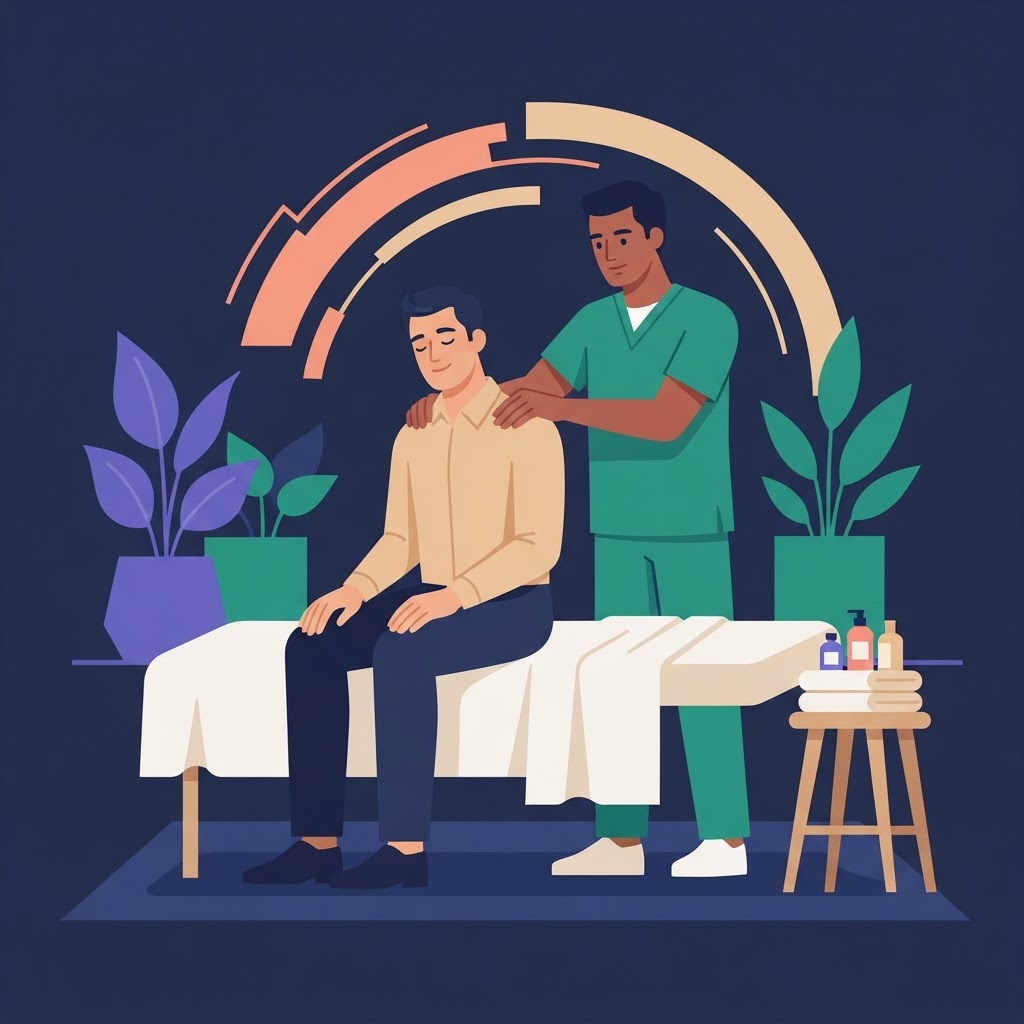
Finding a qualified male massage therapist in your local area requires more than a simple internet search. Whether you're seeking relief from chronic pain, recovery support after athletic training, or simply a relaxing therapeutic session, the process of locating a skilled professional who meets your specific needs involves understanding licensing requirements, verifying credentials, and identifying therapists who specialize in the techniques you prefer. This guide walks you through every step of finding a male massage therapist near me, from understanding why therapist gender matters to clients, to navigating online directories and verifying professional qualifications.
Why Clients Search for Male Massage Therapists
Personal preference plays a significant role in massage therapy outcomes. Research has shown that client attitudes toward massage and therapist gender influence comfort levels, willingness to communicate about pain or pressure, and overall satisfaction with treatment. Some clients feel more comfortable with male therapists due to body image concerns, cultural background, or past experiences.
Male massage therapists often bring specialized skills in deep tissue work, sports massage, and techniques requiring significant physical strength. Many male clients, particularly those in the LGBTQ+ community, prefer working with male therapists who understand their bodies and create a judgment-free environment.
Therapeutic Benefits Beyond Gender
The effectiveness of massage therapy is well-documented across numerous conditions. The evidence map of massage therapy research from 2018-2023 demonstrates positive outcomes for managing pain, reducing anxiety, improving sleep quality, and supporting recovery from sports injuries. These benefits apply regardless of therapist gender, but finding the right practitioner increases treatment adherence and long-term success.
Key reasons clients seek male massage therapists:
- Physical strength for deep tissue and sports massage techniques
- Comfort level and reduced self-consciousness during treatment
- Shared understanding of male anatomy and athletic training needs
- Cultural or personal preferences regarding touch and boundaries
- LGBTQ-friendly practitioners who create inclusive spaces
Understanding Licensure and Professional Credentials
Before booking any massage session, verify that your chosen therapist holds proper licensure in your state or country. The Federation of State Massage Therapy Boards maintains comprehensive information about licensing requirements across U.S. jurisdictions, including which states require the MBLEx examination and how to verify credentials through interstate compacts.
Massage therapy regulation varies significantly by location. California, for instance, requires certification through CAMTC, while other states mandate different levels of training, examination, and continuing education. Always check local requirements to ensure your therapist meets minimum standards.
| Credential Type | What It Means | Where to Verify |
|---|---|---|
| State License | Required legal permission to practice | State massage therapy board |
| NCBTMB Certification | National board certification (voluntary in most states) | NCBTMB.org |
| Professional Liability Insurance | Financial protection for clients and therapists | Ask therapist directly |
| Specialized Certifications | Advanced training in specific modalities | Certification body websites |
Red Flags in Licensing
Never work with therapists who cannot provide proof of current licensure. Unlicensed practitioners may lack proper training in anatomy, contraindications, and safety protocols. If someone advertises massage services but deflects questions about credentials, move on to verified professionals.
How to Find Male Massage Therapists in Your Area
Multiple search strategies yield different results when looking for a male massage therapist near me. The most effective approach combines professional association directories with specialized platforms that cater to clients seeking male practitioners.
The American Massage Therapy Association's therapist locator allows filtering by location, specialty, and other criteria. While it doesn't specifically filter by therapist gender, you can view individual profiles to identify male practitioners in your city.
Specialized Directories for Male Therapists
For clients specifically seeking male massage therapists, particularly those in the LGBTQ+ community, specialized directories offer more targeted results. The PROMASSEURS directory provides profiles of independent male massage therapists across hundreds of cities worldwide, allowing you to compare photos, rates, techniques offered, and client reviews before making contact.
Effective search strategies:
- Use specific search terms including your city name plus "male massage therapist"
- Browse specialized directories that focus on independent male practitioners
- Check professional association listings and filter results manually
- Ask for referrals from friends, healthcare providers, or athletic trainers
- Review social media profiles and professional websites for credential verification
When you find potential therapists, review their listed specialties carefully. Someone trained in sports massage may approach treatment differently than a practitioner focused on Swedish massage or relaxation techniques.
Evaluating Therapist Profiles and Qualifications
Once you've identified several male massage therapists in your area, thorough evaluation helps narrow your choices. Professional profiles should include specific information about training, experience, and the techniques offered during sessions.
What to Look for in a Professional Profile
Strong therapist profiles demonstrate transparency and professionalism. They should clearly state licensing information, years of experience, specific modalities offered, and pricing structure. Vague descriptions or missing credential information suggest less professional operations.
Essential profile elements:
- Current license number and issuing state/country
- Professional headshot and workspace photos
- Detailed list of massage techniques and specialties
- Clear pricing for different session lengths
- Outcall and incall availability and locations
- Professional bio describing training and experience
- Client review or testimonial sections
Many independent male massage therapists maintain profiles on multiple platforms. Cross-reference information across sites to ensure consistency in credentials, rates, and service descriptions. Discrepancies may indicate unprofessional practices.
Massage Techniques and Specializations
Different therapeutic goals require different approaches. Understanding common massage modalities helps you select a male massage therapist near me who specializes in techniques that address your specific needs.
Deep tissue massage focuses on realigning deeper muscle layers and connective tissue, making it particularly effective for chronic pain and muscle tension. Male therapists often excel in this modality due to the physical strength required for sustained pressure.
Matching Technique to Your Goals
| Your Goal | Recommended Techniques | What to Expect |
|---|---|---|
| Pain relief | Deep tissue, trigger point, myofascial release | Focused pressure, some discomfort during treatment |
| Athletic recovery | Sports massage, stretching, compression | Performance-oriented, may include movement assessment |
| Stress reduction | Swedish, relaxation, aromatherapy | Gentle to moderate pressure, calming environment |
| Injury rehabilitation | Medical massage, neuromuscular therapy | Clinical approach, possible healthcare coordination |
| Flexibility improvement | Thai massage, assisted stretching | Active participation, clothed sessions possible |
The types of massage available extend well beyond these common categories. Specialized techniques like shiatsu, reflexology, hot stone therapy, and craniosacral therapy require additional training and certification.

Safety, Boundaries, and Professional Standards
Professional massage therapy operates within strict ethical guidelines regarding boundaries, consent, and client safety. The NCBTMB standards of practice outline expectations for professional conduct, informed consent, scope of practice, and ethical client interactions.
Reputable male massage therapists maintain clear professional boundaries throughout all client interactions. This includes obtaining verbal consent before working on sensitive areas, explaining techniques before applying them, and immediately adjusting pressure or approach based on client feedback.
Trauma-Informed Care Principles
Many clients carry past trauma related to touch, body image, or personal violations. Professional therapists trained in trauma-informed approaches recognize these realities and structure sessions to maximize client control, predictability, and safety.
What trauma-informed practice looks like:
- Therapist explains each technique before beginning
- Client controls draping and which areas are worked
- Continuous check-ins about pressure and comfort
- Clear policies about session interruption or ending early
- Respect for client privacy and personal history
- Professional environment without judgment
If a therapist pressures you to undress beyond your comfort level, works on areas without permission, or dismisses your concerns about pressure or pain, end the session immediately. These behaviors violate professional standards and indicate potential harm.
Booking Your First Session: What to Ask
Before booking with a male massage therapist near me, clarify important details about the session structure, location, and payment policies. Professional therapists welcome questions and provide clear, detailed answers.
Essential Pre-Booking Questions
Contact therapists directly to discuss your needs and ask specific questions about their practice. This conversation also helps you assess their communication style and professionalism before committing to an appointment.
- Licensing verification: "What is your license number, and which state or certifying body issued it?"
- Session location: "Do you offer outcall (therapist travels to you), incall (you visit their location), or both?"
- Technique confirmation: "Which specific techniques do you use for [your goal: pain relief, relaxation, injury recovery]?"
- Pricing clarity: "What are your rates for 60, 90, and 120-minute sessions, and what payment methods do you accept?"
- Cancellation policy: "What is your cancellation policy, and how much notice do you require?"
Understanding incall versus outcall options helps you choose the setting where you'll feel most comfortable. Some clients prefer the convenience of home sessions, while others appreciate the dedicated therapeutic space of a professional studio.
Comparing Rates and Value
Massage therapy pricing varies significantly based on location, therapist experience, specialized training, and session length. In major metropolitan areas like New York or Los Angeles, rates typically range higher than smaller cities or rural locations.
Factors influencing massage rates:
- Geographic location and local cost of living
- Therapist credentials and years of experience
- Specialized certifications in advanced techniques
- Session length and complexity of treatment
- Outcall travel fees for mobile sessions
- Premium amenities like hot stones or aromatherapy
Don't automatically choose the lowest-priced option. Extremely low rates may indicate inadequate training, questionable credentials, or unprofessional operations. Conversely, high rates should correlate with extensive experience, specialized skills, or exceptional service quality.
Reading and Interpreting Client Reviews
Client testimonials provide valuable insights into therapist skill, professionalism, and communication style. When evaluating reviews for a male massage therapist near me, look for patterns across multiple testimonials rather than focusing on individual extreme opinions.
What Authentic Reviews Reveal
Genuine client reviews discuss specific aspects of the massage experience. They mention techniques used, pressure levels, communication quality, space cleanliness, and overall outcomes. Generic praise like "great massage" or "highly recommend" without supporting details offers less useful information.
| Review Element | What It Tells You | Red Flags |
|---|---|---|
| Specific techniques mentioned | Therapist has genuine skills in stated modalities | Vague descriptions of the session |
| Professional boundaries | Therapist maintains ethical standards | Inappropriate comments about therapist appearance |
| Communication quality | Therapist listens and adjusts to feedback | Reviews mentioning ignored requests or concerns |
| Results achieved | Effectiveness for stated therapeutic goals | Exaggerated claims of miraculous cures |
| Environment description | Cleanliness and professionalism of space | Complaints about hygiene or uncomfortable settings |
Be cautious of profiles with exclusively five-star reviews or no reviews at all. Established therapists accumulate a range of feedback that reflects different client preferences and expectations.
Medical Considerations and Healthcare Coordination
If you're seeking massage for medical reasons, pain management, or injury recovery, coordination with your healthcare provider enhances treatment effectiveness. Cleveland Clinic's guidance on massage therapy explains how massage fits into comprehensive treatment plans.
Professional massage therapists understand contraindications (conditions where massage may cause harm) and recognize when to refer clients to medical professionals. Conditions like deep vein thrombosis, certain cancers, severe osteoporosis, and acute injuries require medical clearance before massage treatment.
Communicating with Your Therapist About Health Conditions
Disclose relevant health information during your intake conversation. Professional therapists ask about medications, recent surgeries, chronic conditions, and areas of pain or injury. This information helps them adapt techniques and avoid potentially harmful approaches.
Health details to share:
- Current medications, especially blood thinners or pain management
- Recent injuries, surgeries, or medical procedures
- Chronic conditions like arthritis, fibromyalgia, or diabetes
- Areas of acute pain or inflammation
- Allergies to oils, lotions, or essential oils
Therapists bound by professional ethics maintain strict confidentiality about your health information. If a practitioner shares client details inappropriately or dismisses your medical concerns, find a different provider.
Building a Long-Term Therapeutic Relationship
Consistent work with the same male massage therapist near me allows for progressive treatment of chronic conditions and ongoing wellness maintenance. Regular sessions build trust, enable the therapist to track changes in your muscle tissue and pain patterns, and support cumulative therapeutic benefits.

Session frequency depends on your goals and needs. Athletes in heavy training might benefit from weekly sports massage, while stress management clients may schedule monthly relaxation sessions. Discuss optimal frequency with your therapist based on your specific situation and budget.
When to Consider Changing Therapists
Even with a good initial experience, you might eventually need a different practitioner. Changes in your location, therapeutic goals, or availability may necessitate finding someone new. Additionally, if you feel uncomfortable for any reason, you're never obligated to continue with any therapist.
Valid reasons to seek a different male massage therapist include lack of improvement after several sessions, poor communication or responsiveness, schedule incompatibility, changes in your therapeutic needs requiring different specializations, or simple preference for a different approach or personality.
LGBTQ-Friendly Practitioners and Inclusive Spaces
Many clients seeking a male massage therapist near me prioritize finding LGBTQ-friendly practitioners who create welcoming, judgment-free environments. Independent male massage therapists serving the gay and bisexual community understand the importance of inclusive language, respect for all relationship structures, and sensitivity to unique health considerations.
Profiles that explicitly mention serving gay, bisexual, and male clients signal intentional inclusivity. These therapists recognize that their client base includes diverse backgrounds and create spaces where all clients feel comfortable discussing their bodies, relationships, and health concerns without fear of judgment.
Indicators of LGBTQ-friendly practice:
- Explicit mention of serving gay, bi, and LGBTQ+ clients
- Use of inclusive pronouns and relationship language
- Presence in LGBTQ-specific directories or communities
- Participation in pride events or LGBTQ wellness initiatives
- Testimonials from diverse client populations
Finding practitioners who understand your community creates space for authentic communication about your needs and goals. This comfort level directly impacts treatment effectiveness and your willingness to maintain regular therapeutic sessions.
Geographic Coverage and Travel Considerations
Major cities typically offer numerous options when searching for a male massage therapist near me, while smaller communities may require broader geographic searches. Urban centers like Chicago, Houston, and Phoenix maintain robust communities of independent male massage therapists serving diverse client populations.
If you live in a smaller city or rural area, consider therapists who offer outcall services and travel to surrounding communities. Some practitioners maintain regular circuits through multiple nearby towns, making professional massage accessible beyond major metropolitan areas.
International Options for Travelers
Business travelers and vacation planners can locate male massage therapists worldwide through international directories. Cities across Canada, the United Kingdom, Europe, Latin America, Asia, and Australia offer professional massage services for visiting clients who want to maintain their wellness routines while traveling.
Research therapists in your destination city before departure. Book sessions in advance, particularly during peak travel seasons, and verify the therapist's location relative to your hotel or accommodations. International practitioners may have different licensing standards, so verify credentials through local regulatory bodies.
Making Contact and Scheduling Your Appointment
Once you've identified a male massage therapist near me who meets your criteria, reach out directly through their preferred contact method. Professional therapists typically offer multiple communication options including phone, text, email, or contact forms on their websites.
When making initial contact, briefly introduce yourself and state your therapeutic goals. Mention any relevant health conditions, preferred session length, and your availability. Professional therapists respond promptly with answers to your questions and available appointment times.
Effective initial contact message:
- Your name and preferred contact method
- How you found the therapist (referral, directory, search engine)
- Brief description of your goals (pain relief, relaxation, athletic recovery)
- Preferred session length and any specific techniques of interest
- Two or three potential scheduling windows that work for you
- Any questions about rates, location, or policies
Therapists who don't respond within 24-48 hours may not be actively accepting new clients or maintaining their practice professionally. Move on to other options rather than waiting indefinitely.
Preparing for Your First Massage Session
Maximize the benefits of your session by arriving prepared and knowing what to expect. Most massage appointments include a brief intake discussion, the massage itself, and a few minutes afterward for re-orientation and scheduling future appointments.
Arrive clean and avoid heavy meals or alcohol immediately before your session. Wear comfortable, loose clothing that's easy to remove if you'll be undressing for the massage. Communicate openly about your comfort level with draping, pressure, and which areas you want the therapist to focus on or avoid.
During the Session
Professional therapists check in regularly about pressure levels and your comfort. Speak up immediately if anything feels uncomfortable, painful, or inappropriate. You control the session and can request adjustments, ask the therapist to avoid certain areas, or end the session early if needed.
Session etiquette basics:
- Communicate clearly about pressure (too light, too firm, perfect)
- Alert the therapist immediately if you feel pain or discomfort
- Turn off your phone or put it in silent mode
- Respect the therapist's time by arriving punctually
- Ask questions about techniques or sensations you're experiencing
- Provide feedback about what's working and what isn't
After your session, drink plenty of water to support the release of metabolic waste products mobilized during massage. Some soreness in the following 24-48 hours is normal, particularly after deep tissue work.
Finding a qualified male massage therapist in your area combines research, credential verification, and clear communication about your needs and expectations. Whether you're seeking therapeutic treatment for chronic pain, athletic recovery support, or regular relaxation sessions, the right practitioner makes all the difference in achieving your wellness goals. For clients searching for independent male massage therapists, PROMASSEURS provides a comprehensive worldwide directory where you can browse profiles by city, compare credentials and techniques, read client reviews, and contact therapists directly to schedule sessions that meet your specific needs.