Massage Therapy
Male Masseurs for Men: Your Professional Guide
Discover how male masseurs for men provide specialized, professional massage therapy tailored to men's bodies and wellness needs worldwide.
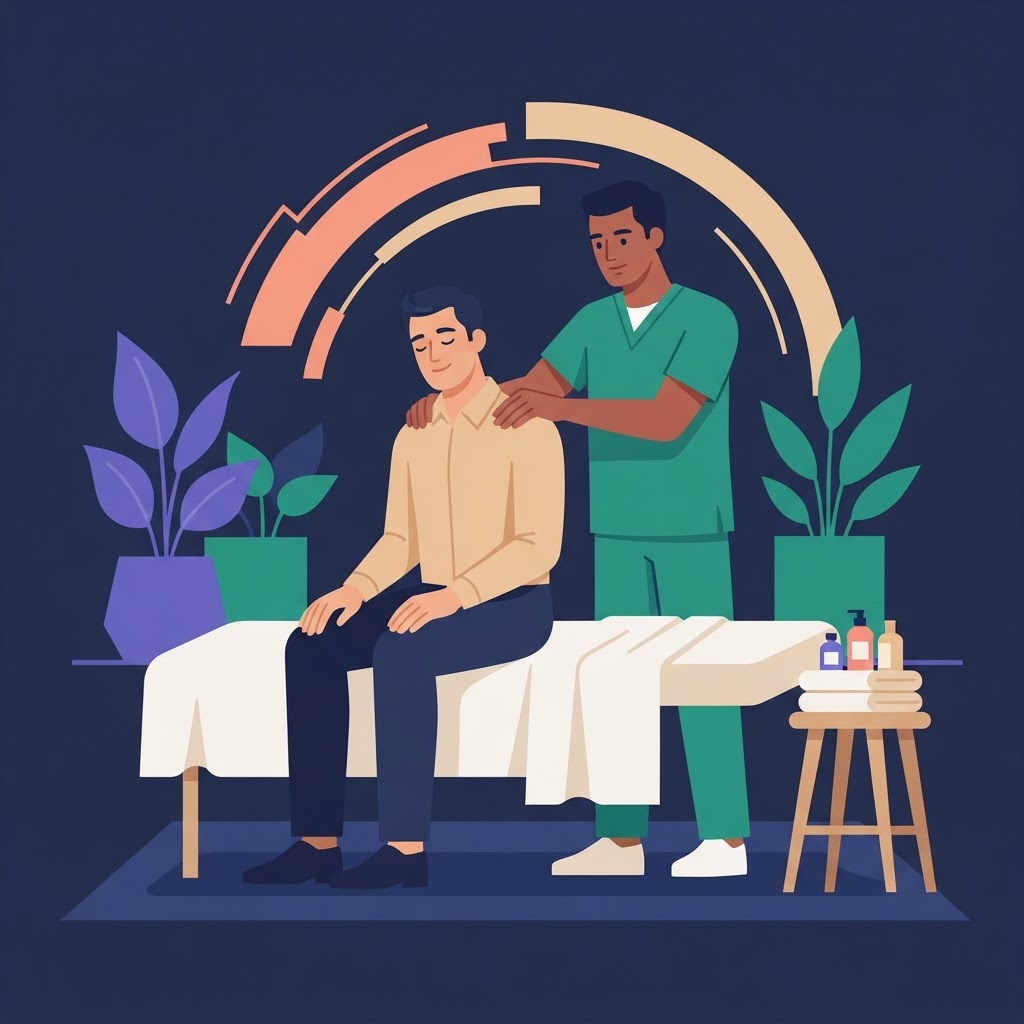
The growing demand for male masseurs for men reflects a significant shift in how men approach self-care and bodywork. Whether you're seeking deep tissue work after an intense training session, stress relief from corporate demands, or therapeutic touch in a comfortable environment, working with a male massage therapist offers unique advantages. Men increasingly recognize that massage is not a luxury but an essential component of physical health, mental wellness, and recovery. Finding the right male masseur who understands men's specific anatomical needs, physical goals, and comfort preferences can transform your approach to wellness and make regular bodywork a sustainable part of your health routine.
Understanding the Benefits of Male Masseurs for Men
Male massage therapists bring specific expertise to working with men's bodies, from understanding muscle density and athletic recovery needs to addressing common male health concerns. Men typically carry tension differently than women, with stress concentrated in the shoulders, lower back, and hip flexors from activities like weightlifting, running, or long hours sitting at desks.
Key advantages include:
- Comfort and reduced self-consciousness during treatment
- Strength to address deeper muscle layers and adhesions
- Understanding of male athletic goals and training recovery
- Familiarity with men's postural patterns and common injury sites
- Professional environment tailored to male clients' preferences
Research published in PubMed Central on sports massage effects demonstrates that targeted massage therapy significantly enhances performance and accelerates recovery for athletes. Male masseurs working with men often specialize in sports massage, deep tissue, and myofascial release techniques that address the intensive physical demands placed on men's bodies.
Anatomical Expertise and Men's Health
Male massage therapists who focus on male clients develop nuanced knowledge of men's musculoskeletal patterns. Men generally have greater muscle mass, different fat distribution, and distinct connective tissue characteristics that respond differently to manual therapy techniques.
Professional male masseurs understand how to work with:
- Greater muscle density requiring sustained pressure
- Testosterone-influenced tissue properties and healing rates
- Common male injury patterns from sports and manual labor
- Pelvic floor dysfunction and related concerns
- Postural compensation from strength training
A comprehensive narrative review on pelvic physical therapy for male sexual disorders highlights how bodywork and myofascial approaches address men's pelvic pain, sexual dysfunction, and related concerns. Male masseurs trained in these techniques provide therapeutic interventions that many men feel more comfortable receiving from a male practitioner.
Professional Standards and Qualifications
When seeking male masseurs for men, understanding professional credentials ensures you receive safe, effective treatment. Massage therapy is regulated differently across jurisdictions, with varying requirements for education, licensing, and scope of practice.
Licensing and Certification Requirements
The Federation of State Massage Therapy Boards provides comprehensive information on regulated states and licensure requirements across the United States. Most regulated states require massage therapists to complete 500-750 hours of education from an accredited school and pass the MBLEx (Massage and Bodywork Licensing Examination).
| Credential Type | Typical Requirements | Scope |
|---|---|---|
| Licensed Massage Therapist (LMT) | 500-1000 hours education, state exam | Full scope including deep tissue, sports, Swedish |
| Certified Massage Therapist (CMT) | 500+ hours, certification exam | Varies by state recognition |
| Specialized Certifications | Additional 20-100 hours per modality | Sports massage, Thai, myofascial release |
Professional male masseurs maintain their credentials through continuing education, typically 12-24 hours per renewal period. The American Massage Therapy Association's core documents outline professional standards, code of ethics, and best practices that reputable therapists follow when working with clients.
Ethical Practice and Boundaries
Male masseurs for men operate within strict professional boundaries that protect both client and therapist. Ethical practitioners maintain clear communication about treatment goals, draping protocols, and consent throughout the session.
Professional standards include:
- Informed consent before each session
- Clear treatment plans focused on therapeutic outcomes
- Appropriate draping and privacy measures
- Confidential client records and HIPAA compliance
- Transparent pricing and cancellation policies
These boundaries create a safe, professional environment where male clients can receive therapeutic bodywork without ambiguity about the nature of the service.
Popular Massage Modalities for Male Clients
Male masseurs for men typically offer specialized techniques that address the specific goals and physical demands of their male clientele. Understanding these modalities helps you select the right approach for your needs.
Deep Tissue and Sports Massage
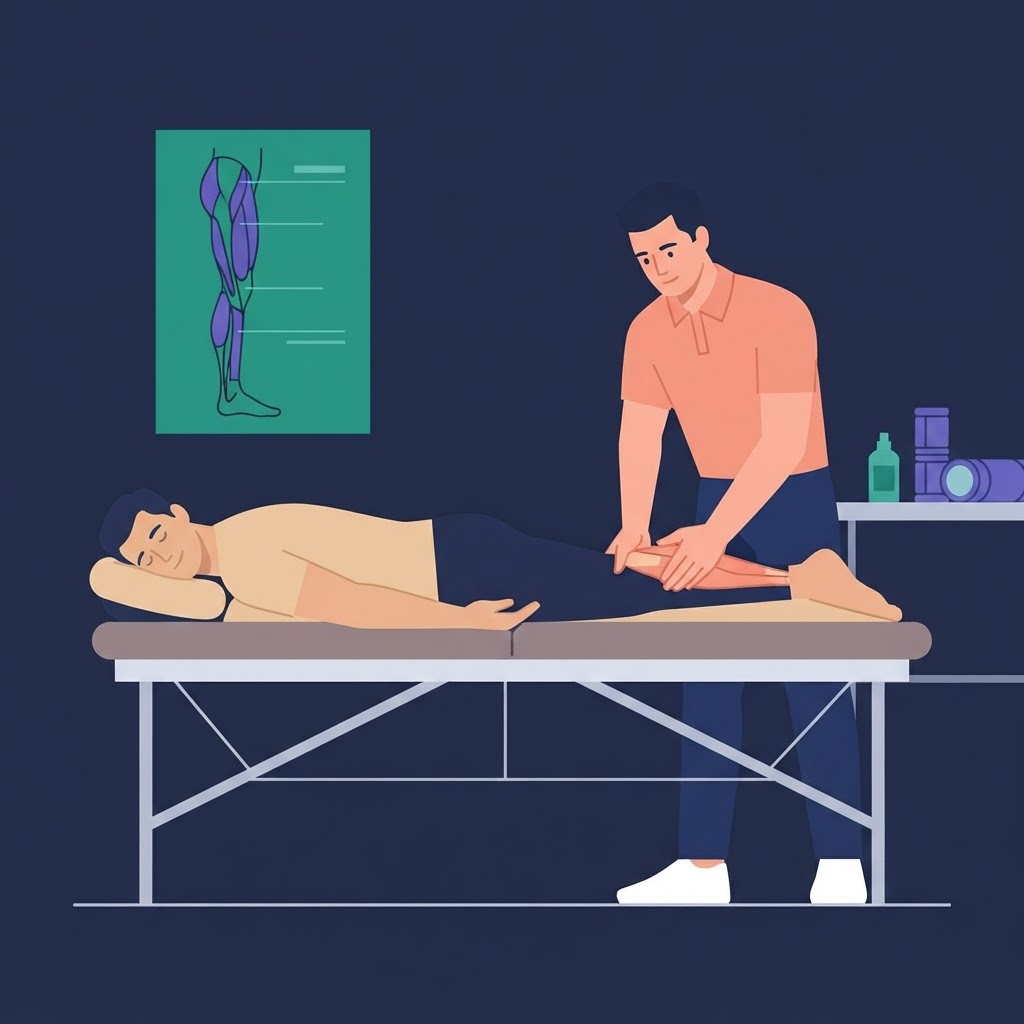
Deep tissue massage remains the most requested modality among men seeking therapeutic bodywork. This technique addresses chronic muscle tension, adhesions, and restricted mobility through sustained pressure and slow strokes targeting deeper muscle layers.
Sports massage serves both athletic performance and injury recovery. Techniques include:
- Pre-event massage to warm muscles and improve flexibility
- Post-event massage to reduce soreness and accelerate recovery
- Maintenance massage to prevent injury and optimize training
- Rehabilitation massage for specific injury recovery
Men training for marathons, triathlons, competitive sports, or intensive fitness routines benefit from male masseurs who understand training periodization and can adjust pressure and focus accordingly.
Swedish and Relaxation Techniques
While men often gravitate toward intense therapeutic work, Swedish massage provides essential benefits for stress reduction and overall wellness. This gentler approach uses long, flowing strokes to improve circulation, reduce cortisol levels, and promote parasympathetic nervous system activation.
Research highlighted in Frontiers in Psychology on male-tailored psychotherapy discusses how men often struggle with help-seeking behaviors and benefit from approaches that respect masculine norms while addressing mental health. Massage therapy offers men a tangible, results-oriented wellness practice that supports mental health without the stigma some men associate with traditional therapy.
| Massage Type | Pressure Level | Primary Benefits | Ideal For |
|---|---|---|---|
| Deep Tissue | Firm to intense | Chronic pain, adhesions, mobility | Athletes, chronic pain sufferers |
| Sports Massage | Moderate to firm | Performance, recovery, injury prevention | Active individuals, competitors |
| Swedish | Light to moderate | Stress relief, circulation, relaxation | Wellness maintenance, first-timers |
| Thai Massage | Moderate | Flexibility, energy, assisted stretching | Yoga practitioners, flexibility goals |
Specialized Techniques
Many male masseurs for men offer specialized modalities that address specific concerns or preferences. These include myofascial release for restricted connective tissue, trigger point therapy for referred pain patterns, and stretching techniques that improve range of motion.
Four-hands massage, performed by two therapists simultaneously, provides an intensely relaxing experience with comprehensive body coverage in less time. This modality appeals to men seeking maximum therapeutic benefit in a single session.
Finding Qualified Male Masseurs in Your Area
The process of finding skilled male masseurs for men has evolved significantly with online directories and professional platforms. Rather than relying on word-of-mouth or limited local options, men can now research therapists, compare specialties, and read reviews before making contact.
Using Professional Directories
Professional directories allow you to browse male masseurs by city and location, reviewing profiles that include photos, credentials, specialties, rates, and availability. This transparency helps you make informed decisions based on your specific needs and preferences.
When evaluating profiles, consider:
- Credentials and training – Look for licensed therapists with specialized certifications relevant to your goals
- Specialization – Match the therapist's expertise to your needs (sports recovery, stress relief, chronic pain)
- Reviews and testimonials – Read feedback from other male clients about their experiences
- Communication style – Assess whether the therapist's approach aligns with your comfort level
- Logistics – Consider location, incall versus outcall availability, and scheduling flexibility
Geographic Considerations
Male masseurs for men practice in cities worldwide, from major metropolitan areas to smaller communities. Urban centers like New York offer extensive options across neighborhoods, while suburban and rural areas may have fewer but equally qualified practitioners.
International travelers can maintain their wellness routines by researching male masseurs in destinations across the United States, Canada, United Kingdom, Europe, Latin America, Asia, and Australia. Advance booking ensures continuity of care even when away from your home therapist.
What to Expect During Your Session
First-time clients often have questions about what happens during a session with male masseurs for men. Understanding the typical session structure reduces anxiety and helps you communicate effectively with your therapist.
Initial Consultation
Your first appointment begins with a health history and goal-setting conversation. The male masseur will ask about:
- Current injuries, chronic conditions, or pain patterns
- Medications or health conditions affecting treatment
- Physical activities, stress levels, and lifestyle factors
- Pressure preferences and areas requiring focus
- Previous massage experience and what worked or didn't
This intake process ensures the therapist tailors the session to your specific needs while observing professional safety protocols.
Session Protocols
Professional male masseurs maintain consistent protocols that respect client privacy and comfort:
- Private treatment rooms with secure doors
- Professional draping using sheets and towels
- Client control over exposure and comfort level
- Clear communication about pressure and technique
- Respect for personal boundaries and consent
Sessions typically last 60, 75, or 90 minutes, with the therapist working systematically through target areas. You can request adjustments to pressure, temperature, music, or focus at any time.
Post-Session Care
After your massage, male masseurs for men typically provide recommendations for:
- Hydration to support lymphatic drainage and toxin elimination
- Stretches or exercises to maintain treatment benefits
- Activity modifications to protect healing tissues
- Follow-up scheduling based on therapeutic goals
- Self-care techniques between appointments
Frequency and Maintenance Recommendations
Determining how often to receive massage from male masseurs for men depends on your goals, physical demands, and budget. Professional therapists can help establish a schedule that supports your objectives while remaining sustainable.
Therapeutic Treatment Plans
Men addressing specific injuries or chronic pain conditions benefit from more frequent sessions during the acute phase. A typical treatment plan might include:
- Acute phase: Weekly sessions for 4-6 weeks to address immediate concerns
- Rehabilitation phase: Bi-weekly sessions for 6-12 weeks as symptoms improve
- Maintenance phase: Monthly or bi-monthly sessions to prevent recurrence
Wellness and Prevention
Men without specific injuries but seeking stress management, athletic performance, or general wellness typically schedule sessions every 2-4 weeks. This frequency maintains muscle health, manages accumulated tension, and supports overall physical and mental wellbeing.
Athletes in heavy training cycles may increase frequency during peak periods and reduce during rest or taper weeks. Understanding massage frequency recommendations helps optimize benefits without overtreatment.
Cost Considerations and Value
Rates for male masseurs for men vary based on geographic location, therapist experience, session length, and specialized techniques. Understanding pricing structures helps you budget for regular care and recognize fair market rates.
Typical Rate Ranges
| Session Length | Urban Markets | Suburban/Rural | Premium Specialists |
|---|---|---|---|
| 60 minutes | $80-$150 | $60-$100 | $120-$200 |
| 75 minutes | $100-$180 | $75-$125 | $150-$240 |
| 90 minutes | $120-$220 | $90-$150 | $180-$300 |
Factors influencing rates include the therapist's credentials, years of experience, specialized training, and whether the session is incall (at the therapist's location) or outcall (at your home or hotel). Mobile massage typically carries a premium of $20-40 to cover travel time and transportation.
Maximizing Value
Regular clients often receive package discounts when purchasing multiple sessions. Investing in consistent care provides better outcomes than sporadic intensive treatments. Many male masseurs for men offer membership programs, pre-paid packages, or loyalty discounts that reduce per-session costs while encouraging therapeutic consistency.
Communication and Goal Setting
Effective partnership with male masseurs for men requires clear communication about your expectations, preferences, and feedback. Professional therapists welcome this dialogue as it improves outcomes and client satisfaction.
Articulating Your Needs
Before your appointment, consider:
- Primary goals: Pain relief, stress reduction, performance enhancement, injury recovery
- Problem areas: Specific muscles, joints, or regions requiring attention
- Pressure preferences: Light, moderate, firm, or varying by area
- Contraindications: Recent injuries, surgeries, or health changes
- Environmental preferences: Temperature, music, conversation level
During the session, provide real-time feedback about pressure, comfort, and effectiveness. Professional male masseurs adjust their approach based on your responses and physical cues.
Building a Long-Term Relationship
Working with the same male masseur over time creates therapeutic continuity. Your therapist learns your body's patterns, remembers previous sessions, and can track progress toward goals. This relationship supports more effective treatment and eliminates the need to repeat your health history at each appointment.
Regular clients also benefit from scheduling consistency, preferred appointment times, and personalized treatment plans that evolve with changing needs.
Safety and Professional Standards
Reputable male masseurs for men prioritize client safety through sanitation protocols, professional boundaries, and adherence to scope of practice limitations. Understanding these standards helps you identify qualified practitioners and avoid unprofessional situations.
Health and Sanitation
Professional massage therapists follow strict hygiene protocols including:
- Fresh linens and face cradle covers for each client
- Hand washing before and after each session
- Sanitized equipment and treatment surfaces
- Proper ventilation and air quality
- Screening for contagious conditions
State regulations typically mandate these practices, with enforcement through licensing boards and health departments. You can verify a therapist's credentials through your state's massage therapy board or the AMTA state regulations database.
Scope of Practice
Licensed massage therapists work within defined scope of practice that varies by jurisdiction but generally includes soft tissue manipulation, joint mobilization, and wellness education. Male masseurs cannot diagnose medical conditions, prescribe medications, or perform procedures reserved for physicians, physical therapists, or chiropractors.
Reputable practitioners refer clients to appropriate healthcare providers when conditions exceed their scope, demonstrate medical red flags, or require diagnostic evaluation.
The Growing Market for Male-Focused Bodywork
The wellness industry has witnessed substantial growth in services specifically marketed to male clients, including male masseurs for men. This expansion reflects changing attitudes about men's self-care, body image, and willingness to invest in preventive health.
Demographic Trends
Men aged 25-54 represent the fastest-growing segment of massage therapy consumers. Factors driving this growth include:
- Increased awareness of mental health and stress management
- Fitness culture emphasizing recovery and performance optimization
- Workplace wellness programs offering massage benefits
- Reduced stigma around men seeking wellness services
- Greater acceptance of self-care practices among men
Gay and bisexual men have historically led adoption of massage therapy and continue to represent significant portions of male clients seeking male massage therapists. LGBTQ-friendly practitioners create welcoming environments where all men feel comfortable receiving professional bodywork.
Professional Opportunities
The demand for male masseurs for men has created career opportunities for massage therapists targeting this demographic. Male therapists often find that specializing in men's massage allows them to build sustainable practices with loyal clientele and premium rates reflecting their specialized expertise.
Independent practitioners increasingly use online platforms to market their services, manage bookings, and connect with clients beyond their immediate geographic area. This digital infrastructure supports both urban therapists managing high-volume practices and practitioners in smaller markets building regional client bases.
Integrating Massage Into Comprehensive Wellness
Male masseurs for men often serve as part of a broader wellness strategy that includes fitness training, nutrition, mental health support, and medical care. Understanding how massage complements other interventions maximizes your overall health outcomes.
Synergy with Physical Training
Athletes and fitness enthusiasts benefit from coordinating massage therapy with training schedules. Strategic timing enhances performance and recovery:
- Pre-training massage: Light sports massage before intense workouts improves muscle activation and reduces injury risk
- Post-training massage: Deep tissue or sports massage after workouts accelerates recovery and reduces delayed-onset muscle soreness
- Rest day massage: Recovery-focused sessions on rest days support tissue healing and prepare the body for upcoming training
Working with male masseurs who understand your athletic goals allows for customized protocols that evolve with your training periodization.
Mental Health Benefits
Beyond physical benefits, regular massage from male masseurs for men supports mental health through stress reduction, improved sleep quality, and parasympathetic nervous system activation. The therapeutic relationship itself provides social connection and non-verbal communication that many men find grounding and centering.
For men who struggle with traditional talk therapy or prefer action-oriented wellness practices, massage offers tangible benefits with measurable outcomes. The physiological relaxation response triggered by skilled bodywork reduces cortisol, lowers blood pressure, and improves mood markers comparable to other stress management interventions.
Finding the right male masseur transforms massage from an occasional indulgence into an essential wellness practice that supports your physical performance, mental clarity, and overall quality of life. Whether you're seeking deep tissue work for athletic recovery, stress relief from professional demands, or specialized techniques for specific health concerns, working with qualified male massage therapists provides targeted care in a comfortable environment. Explore PROMASSEURS to browse independent male massage therapists by city and country, compare specialties and rates, and connect directly with practitioners who understand men's unique bodywork needs worldwide.