Massage Therapy
Male to Male Massage: Benefits, Techniques & Finding Care
Discover the therapeutic benefits of male to male massage, professional standards, popular techniques, and how to find qualified masseurs in 2026.
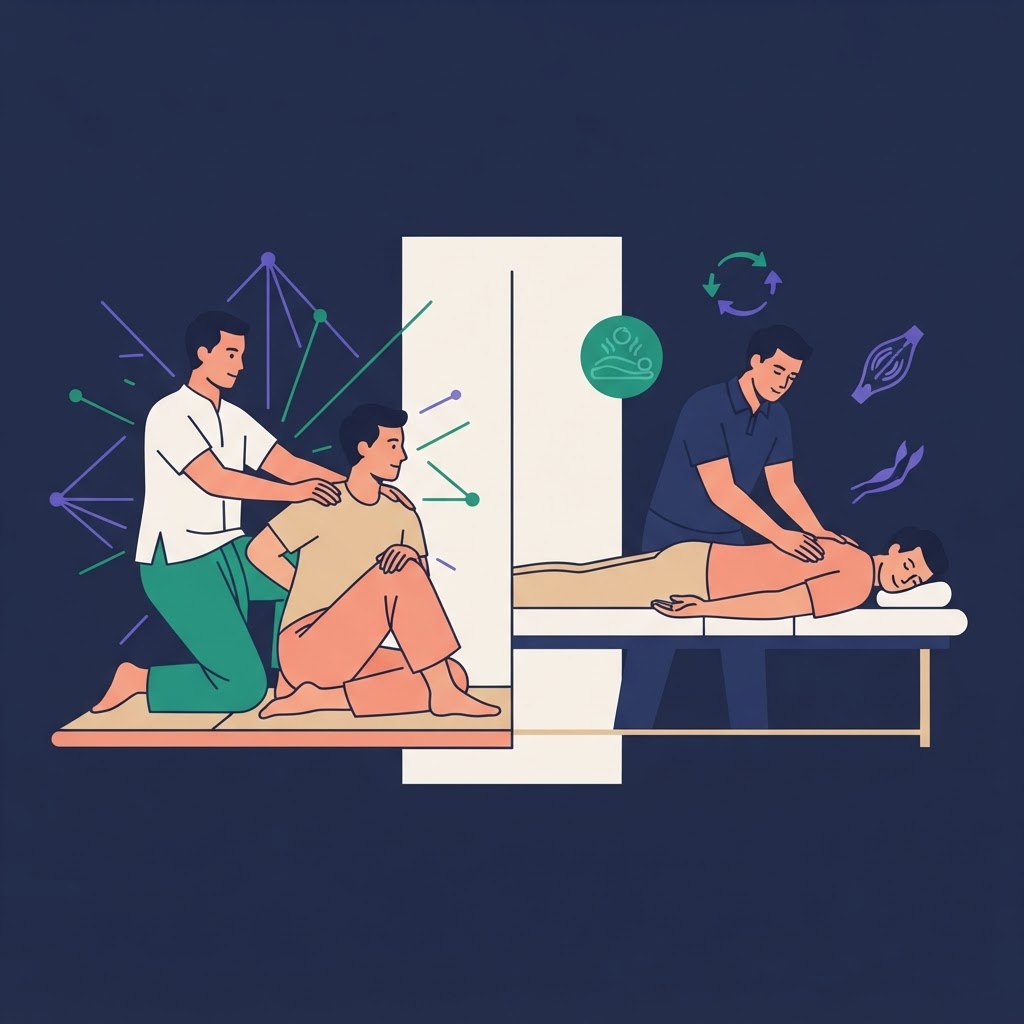
Male to male massage has evolved significantly over the past decade, transitioning from a niche wellness service to a mainstream therapeutic option recognized for its physical and psychological benefits. As awareness grows around the importance of culturally competent, gender-affirming care, more men are seeking bodywork from male massage therapists who understand their specific needs. Whether addressing athletic recovery, chronic pain management, stress relief, or simply preferring the comfort of a same-gender practitioner, male to male massage offers a professional therapeutic environment grounded in respect, boundaries, and clinical excellence.
Understanding Male to Male Massage in Professional Practice
Male to male massage refers to therapeutic bodywork sessions where both the client and the massage therapist identify as male. This arrangement encompasses the full spectrum of legitimate massage modalities-from Swedish and deep tissue to sports massage, Thai bodywork, and specialized techniques-all delivered within established professional and ethical frameworks.
Why Men Choose Male Massage Therapists
The reasons men seek out male practitioners are diverse and deeply personal. Many clients cite comfort and reduced self-consciousness as primary factors. For gay and bisexual men in particular, working with a male masseur who understands LGBTQ+ health contexts can create a safer, more affirming therapeutic space.
Physical and anatomical familiarity also plays a significant role. Male therapists often bring firsthand understanding of male musculature, common athletic injuries, and physical stress patterns specific to men's bodies. This lived experience can translate into more targeted, effective treatment strategies.
- Comfort and reduced anxiety during sessions
- Cultural competence for LGBTQ+ clients
- Athletic and sports recovery expertise tailored to male physiology
- Professional boundaries maintained by qualified, licensed practitioners
Privacy concerns and personal preferences round out the decision-making process. Some men simply feel more at ease disrobing and receiving touch from a same-gender practitioner, particularly when addressing sensitive areas or intimate health concerns.
Professional Standards and Ethics in Same-Gender Massage
Legitimate male to male massage operates under the same rigorous professional standards that govern all therapeutic bodywork. Licensed massage therapists-regardless of their gender or their clients' gender-must adhere to established codes of ethics and professional conduct that prioritize client safety, informed consent, and appropriate boundaries.
Licensing and Credentialing Requirements
In 2026, most U.S. states, Canadian provinces, and countries worldwide require massage therapists to hold valid licenses or certifications. These credentials typically mandate completion of accredited training programs (500-1,000 hours), passing standardized examinations, and ongoing continuing education in ethics and clinical practice.
The Federation of State Massage Therapy Boards maintains comprehensive guidance on licensure standards and ethical practices that help ensure practitioner competency across jurisdictions. Professional associations further reinforce these standards through voluntary certification programs and disciplinary processes.
| Credential Type | Typical Requirements | Renewal Period |
|---|---|---|
| State/Provincial License | 500-1,000 training hours, exam | 1-2 years |
| National Certification (NCBTMB) | Approved education, Board Certification exam | 4 years |
| Specialty Certifications | Advanced training in specific modalities | Varies |
Maintaining Appropriate Boundaries
Professional boundaries form the cornerstone of ethical massage practice, especially in same-gender contexts where misconceptions or discomfort may arise. Therapists establish and maintain these boundaries through clear communication, proper draping protocols, informed consent procedures, and strict adherence to scope of practice.
Draping standards require that clients remain appropriately covered throughout the session, with only the area being worked exposed at any given time. Consent protocols involve explaining each technique before application and checking in regularly about pressure, comfort, and any concerns.
Organizations like the Associated Bodywork & Massage Professionals offer continuing education on preventing sexual misconduct specifically designed to help practitioners recognize warning signs, maintain professional boundaries, and create safe therapeutic environments for all clients.
Popular Massage Techniques in Male to Male Sessions
Male to male massage encompasses the full range of therapeutic modalities available in professional bodywork. Technique selection depends on the client's goals, physical condition, and personal preferences rather than the gender dynamics of the session.
Deep Tissue and Sports Massage
These pressure-intensive modalities rank among the most requested techniques for male clients, particularly those engaged in athletics, fitness training, or physically demanding occupations. Deep tissue massage targets chronic muscle tension and fascial restrictions through slow, deliberate strokes and sustained pressure on specific areas.
Sports massage focuses on performance enhancement, injury prevention, and athletic recovery. Male massage therapists with backgrounds in athletics or sports medicine often bring valuable experiential knowledge to these sessions.
- Pre-event massage to prepare muscles for activity
- Post-event work to accelerate recovery and reduce soreness
- Maintenance sessions for injury prevention
- Rehabilitation massage for specific athletic injuries
Swedish and Relaxation Techniques
Not all male to male massage centers on intense therapeutic work. Many clients seek Swedish massage for stress reduction, relaxation, and overall wellness maintenance. This gentle, flowing approach uses long gliding strokes, kneading, and rhythmic tapping to promote circulation and induce deep relaxation.
The psychological benefits of touch therapy extend beyond physical muscle manipulation. Regular massage sessions have been associated with reduced cortisol levels, improved sleep quality, and enhanced overall well-being-outcomes particularly valuable for men navigating high-stress professional environments.
Specialized and Cultural Modalities
Many male massage therapists offer specialized techniques drawn from various cultural traditions:
- Thai massage combining compression, stretching, and acupressure
- Shiatsu applying finger pressure along energy meridians
- Myofascial release addressing connective tissue restrictions
- Trigger point therapy targeting specific pain referral patterns
- Reflexology working pressure points on feet, hands, and ears
The choice of modality should align with therapeutic goals and be delivered by practitioners with appropriate training in those specific techniques.
Health Benefits and Clinical Applications
Male to male massage offers measurable therapeutic benefits supported by clinical research and professional practice guidelines. These benefits span physical, psychological, and wellness domains.
Physical and Musculoskeletal Benefits
Massage therapy effectively addresses numerous physical conditions common among male clients. Chronic lower back pain, shoulder tension from desk work, and sports-related muscle strain all respond well to targeted bodywork interventions.
Circulation improvement occurs through mechanical manipulation of soft tissues, promoting blood flow and lymphatic drainage. This enhanced circulation delivers oxygen and nutrients to tissues while facilitating removal of metabolic waste products.

| Condition | Effective Techniques | Expected Outcomes |
|---|---|---|
| Chronic lower back pain | Deep tissue, myofascial release | Reduced pain intensity, improved mobility |
| Athletic muscle soreness | Sports massage, stretching | Faster recovery, decreased inflammation |
| Tension headaches | Craniosacral, upper body focus | Reduced frequency and intensity |
| Postural imbalances | Structural integration, Swedish | Improved alignment, reduced strain |
Psychological and Stress-Related Benefits
The mental health benefits of massage therapy deserve equal recognition alongside physical outcomes. Regular sessions contribute to stress reduction, anxiety management, and improved mood states through both neurochemical changes and the therapeutic power of safe, non-sexual touch.
For gay and bisexual men who may experience minority stress or social isolation, working with LGBTQ+-affirming male practitioners can provide valuable connection and validation within a professional therapeutic context.
Addressing Specific Male Health Concerns
Some men seek massage therapy for specific health conditions unique to or more prevalent in male anatomy. While massage therapists operate within defined scopes of practice and cannot diagnose or treat medical conditions, bodywork may complement medical care for certain concerns.
Prostate health occasionally arises in discussions of male massage, though it's essential to distinguish between medical procedures and massage therapy. Clinical prostatic massage performed by physicians differs fundamentally from external pelvic floor work that massage therapists may incorporate. Research on prostate massage for chronic prostatitis suggests limited clinical utility, and medical perspectives remain cautious about its application outside supervised clinical settings.
Legitimate massage therapy for pelvic floor dysfunction focuses on external abdominal and hip work, never involving internal manipulation. Practitioners should refer clients with prostate concerns to qualified urologists and follow evidence-based guidance on complementary approaches to male health conditions.
Finding Qualified Male Massage Therapists
Locating a qualified, professional male massage therapist requires research, verification of credentials, and attention to professional presentation. In 2026, online directories and platforms have streamlined this process while raising important considerations about vetting and safety.
Verification and Credentialing
Always confirm that any massage therapist you're considering holds valid licensure in their jurisdiction. Most licensing boards maintain online lookup tools where you can verify credentials, check for disciplinary actions, and confirm active status.
Professional presentation matters. Legitimate practitioners maintain professional websites or directory profiles that clearly outline their credentials, specialties, session rates, and contact information. They operate from established business locations or provide outcall services with proper protocols.
- Verify state or provincial massage license
- Check for professional liability insurance
- Review specializations and advanced certifications
- Read client testimonials and reviews carefully
- Confirm clear pricing and session policies
Using Online Directories Effectively
Modern platforms like PROMASSEURS allow clients to browse independent male massage therapists by city and country, comparing photos, rates, and techniques before making contact. These directories serve as marketplaces connecting clients with practitioners, though they don't employ the therapists or provide the services themselves.
When using any directory, review profiles thoroughly. Look for complete information about massage styles, rates, availability, and professional background. Legitimate practitioners are transparent about their qualifications and services offered.
Initial Consultation and Communication
Before booking your first session, communicate with the massage therapist directly. Professional practitioners welcome questions about their training, approach, and what to expect during sessions. This initial exchange helps establish rapport and ensures alignment between your needs and their expertise.
Red flags to watch for include vague responses about credentials, pressure for immediate booking, reluctance to discuss techniques or boundaries, or any suggestion of services beyond legitimate therapeutic massage. Trust your instincts-if something feels unprofessional, continue your search.
Cultural Competence and LGBTQ+ Affirming Care
For gay, bisexual, and queer men, finding massage therapists who provide culturally competent, affirming care enhances both comfort and therapeutic outcomes. LGBTQ+-affirming practitioners understand the unique health contexts, minority stress factors, and community-specific wellness needs that may influence treatment.
What LGBTQ+ Competence Means in Practice
Cultural competence extends beyond simply welcoming LGBTQ+ clients. It involves ongoing education about health disparities, communication patterns, and the specific physical and mental health challenges more prevalent in sexual minority populations.
Resources like those from GLMA (Gay and Lesbian Medical Association) provide healthcare practitioners with frameworks for delivering respectful, informed care to LGBTQ+ patients and clients. Massage therapists who engage with these materials demonstrate commitment to professional excellence across diverse client populations.
Affirming practices include:
- Using inclusive language and intake forms
- Respecting pronouns and identity descriptors
- Understanding same-sex relationship dynamics
- Creating judgment-free therapeutic environments
- Maintaining awareness of LGBTQ+ health disparities
Building Trust and Therapeutic Alliance
The therapeutic relationship between client and practitioner forms the foundation of effective massage therapy. For men who may have experienced healthcare discrimination or discomfort in heteronormative medical settings, working with openly gay-friendly or LGBTQ+-identified male therapists can facilitate deeper trust and more open communication.
This trust enables clients to discuss sensitive health concerns, communicate honestly about comfort levels during sessions, and advocate for their own needs-all essential components of positive therapeutic outcomes.
Session Expectations and Etiquette
Understanding what to expect during a professional male to male massage session helps new clients feel prepared and ensures smooth, productive experiences. While specific protocols vary by practitioner and modality, certain standards apply universally.
Before Your Session
Arrive clean and avoid heavy meals immediately beforehand. Complete any intake paperwork honestly, disclosing health conditions, injuries, medications, and areas of concern. This information helps your massage therapist tailor the session appropriately and work safely within their scope.
Communicate your goals clearly. Whether you're seeking relaxation, pain relief, athletic recovery, or stress management, stating your objectives helps the therapist select appropriate techniques and pressure levels. Don't hesitate to mention any areas you want avoided or given special attention.
During the Massage
Professional therapists provide privacy for undressing and use proper draping throughout the session. You'll typically undress to your comfort level and lie on a massage table beneath a sheet or towel, with only the area being worked exposed at any time.
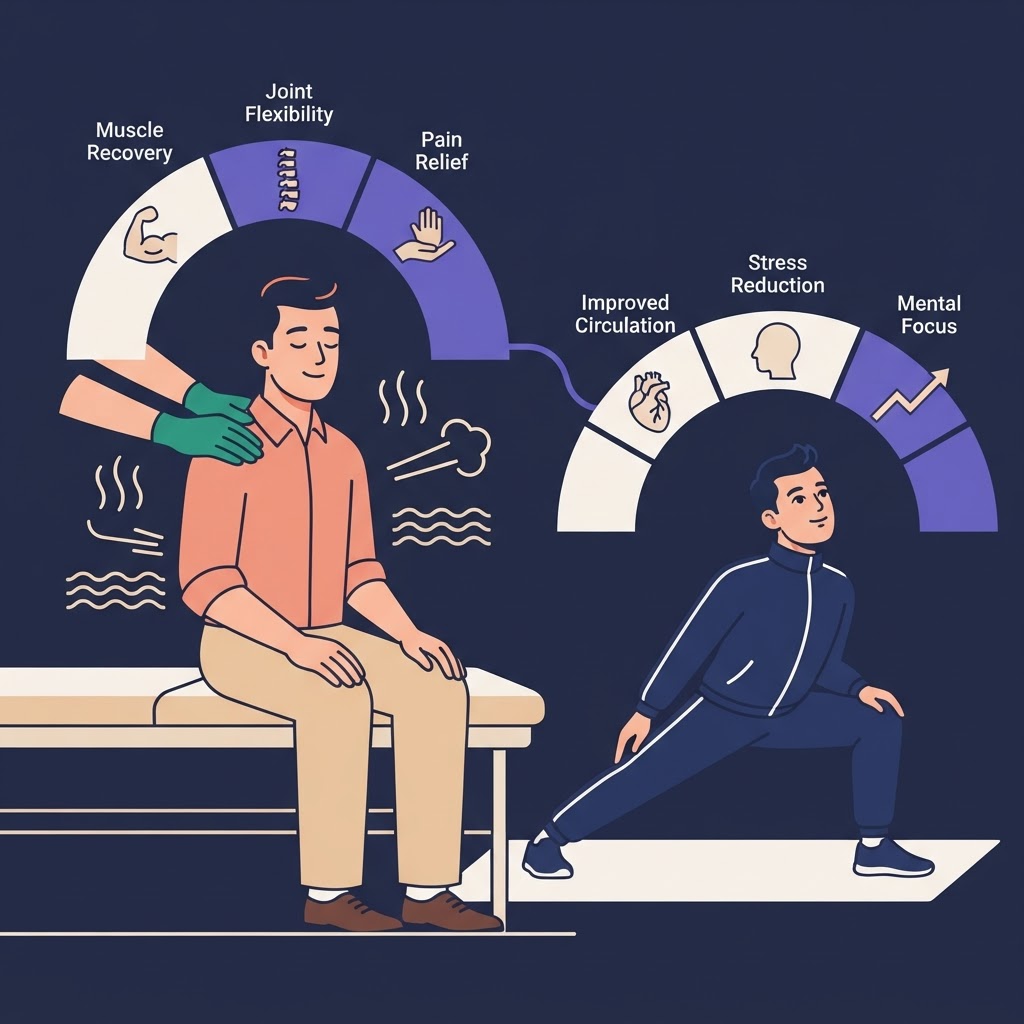
Pressure and comfort check-ins should occur regularly. Professional practitioners encourage clients to speak up if pressure feels too intense, too light, or if any discomfort arises. Your feedback helps optimize the therapeutic benefit and ensures a positive experience.
- Communicate about pressure levels openly
- Report any discomfort immediately
- Relax and breathe normally throughout
- Ask questions if techniques feel unfamiliar
- Respect the professional nature of the session
After Your Appointment
Drink water following your massage to support the body's natural detoxification processes. Some mild soreness may occur after deep tissue work, typically resolving within 24-48 hours. Schedule follow-up sessions based on your therapeutic goals and your practitioner's recommendations.
Many massage therapists suggest regular maintenance sessions-weekly, bi-weekly, or monthly depending on your needs and budget. Consistency often produces better cumulative results than sporadic sessions. Understanding how frequently to receive massage helps you build an effective self-care routine.
Regional Availability and Access Worldwide
Male to male massage services are available in hundreds of cities across North America, Europe, Latin America, Asia, and Australia. Major metropolitan areas typically offer the widest selection of qualified male practitioners, though smaller cities increasingly feature skilled therapists as awareness and demand grow.
North American Markets
In the United States and Canada, cities with significant LGBTQ+ populations tend to have robust communities of male massage therapists. Urban centers like New York, Los Angeles, San Francisco, Chicago, Toronto, and Vancouver offer diverse options spanning all major modalities and specializations.
Even smaller American cities now have independent male massage therapists serving local communities. Finding practitioners in your specific location is easier than ever through specialized directories that allow geographic searching and filtering by technique, price range, and availability.
International Availability
European capitals including London, Paris, Berlin, Amsterdam, and Barcelona maintain thriving male massage communities. Latin American cities like Mexico City, Buenos Aires, and São Paulo have seen significant growth in professional male bodywork services over the past five years.
Asian markets in Tokyo, Bangkok, Singapore, and Hong Kong blend traditional Eastern massage techniques with contemporary Western modalities. Australian cities including Sydney, Melbourne, and Brisbane offer well-established networks of qualified male practitioners.
| Region | Major Markets | Typical Session Rates (USD) |
|---|---|---|
| North America | NYC, LA, Toronto, Chicago | $80-$180/hour |
| United Kingdom | London, Manchester, Brighton | $90-$160/hour |
| Europe | Berlin, Paris, Amsterdam | $70-$150/hour |
| Asia | Tokyo, Bangkok, Singapore | $60-$140/hour |
| Australia | Sydney, Melbourne, Brisbane | $85-$165/hour |
Note: Rates vary significantly based on location, practitioner experience, and session type. These ranges reflect typical in-city pricing as of 2026.
Building Long-Term Therapeutic Relationships
Regular sessions with the same male massage therapist often yield superior results compared to sporadic appointments with different practitioners. Consistency allows your therapist to track progress, adjust techniques based on response patterns, and develop deep familiarity with your body's specific needs.
The Value of Continuity
When a massage therapist works with you regularly, they notice subtle changes in muscle tension, postural patterns, and tissue quality that might escape detection in single sessions. This longitudinal perspective enables more targeted interventions and better outcome tracking.
Trust and communication deepen over time. As your therapeutic relationship develops, you'll likely feel more comfortable providing detailed feedback, discussing sensitive health concerns, and collaborating on treatment planning. This partnership approach optimizes both the process and results of massage therapy.
Adjusting Treatment Over Time
Effective male to male massage evolves alongside your changing needs. Athletic training cycles, work stress fluctuations, aging processes, and injury recovery all influence what your body requires from bodywork sessions. A skilled, attentive practitioner adapts their approach accordingly.
Regular clients often explore different modalities as they progress. Someone who initially sought deep tissue work for chronic pain might transition to maintenance Swedish massage once acute issues resolve, or add sports massage during marathon training.
Professional Development for Male Massage Therapists
For male massage therapists seeking to build or expand their practices, understanding your target market and developing relevant expertise enhances both service quality and business success. Specializing in male to male massage requires clinical skills, cultural competence, and effective marketing strategies.
Building LGBTQ+ Competence
Male therapists working primarily with gay, bisexual, and queer male clients benefit from ongoing education about LGBTQ+ health, communication, and cultural context. This knowledge base extends beyond massage technique into the broader landscape of sexual minority wellness and affirming healthcare delivery.
Professional development opportunities include LGBTQ+ health conferences, cultural competency workshops, and resources from organizations dedicated to sexual minority health advancement. This investment demonstrates commitment to serving your community with excellence and respect.
Marketing and Client Acquisition
Independent male massage therapists face unique marketing challenges and opportunities. Online presence has become essential, with most clients discovering practitioners through web searches, directories, and social media platforms rather than traditional advertising channels.
Effective strategies for 2026 include:
- Maintaining professional directory profiles with complete information
- Developing a simple, clean website with booking capabilities
- Collecting and showcasing client testimonials
- Engaging appropriately on social media platforms
- Networking within LGBTQ+ community organizations
- Offering introductory rates for new clients
Listing your profile on specialized directories helps gay, bisexual, and male clients discover your services when searching for massage options in their city. Visibility within these platforms directly supports practice growth and client acquisition.
Male to male massage offers legitimate therapeutic benefits within professional, ethical frameworks that prioritize client safety, informed consent, and clinical excellence. Whether you're seeking athletic recovery, stress relief, pain management, or simply the comfort of working with a same-gender practitioner, qualified male massage therapists worldwide provide expert care tailored to your specific needs. PROMASSEURS makes finding the right massage therapist simple by letting you browse independent male masseurs by city and country, compare their specialties and rates, and contact practitioners directly to schedule your session.