Massage Therapy
Masseur Men: Finding Professional Male Massage Therapists
Discover professional masseur men worldwide. Learn what to expect, how to choose a qualified male massage therapist, and find trusted practitioners.
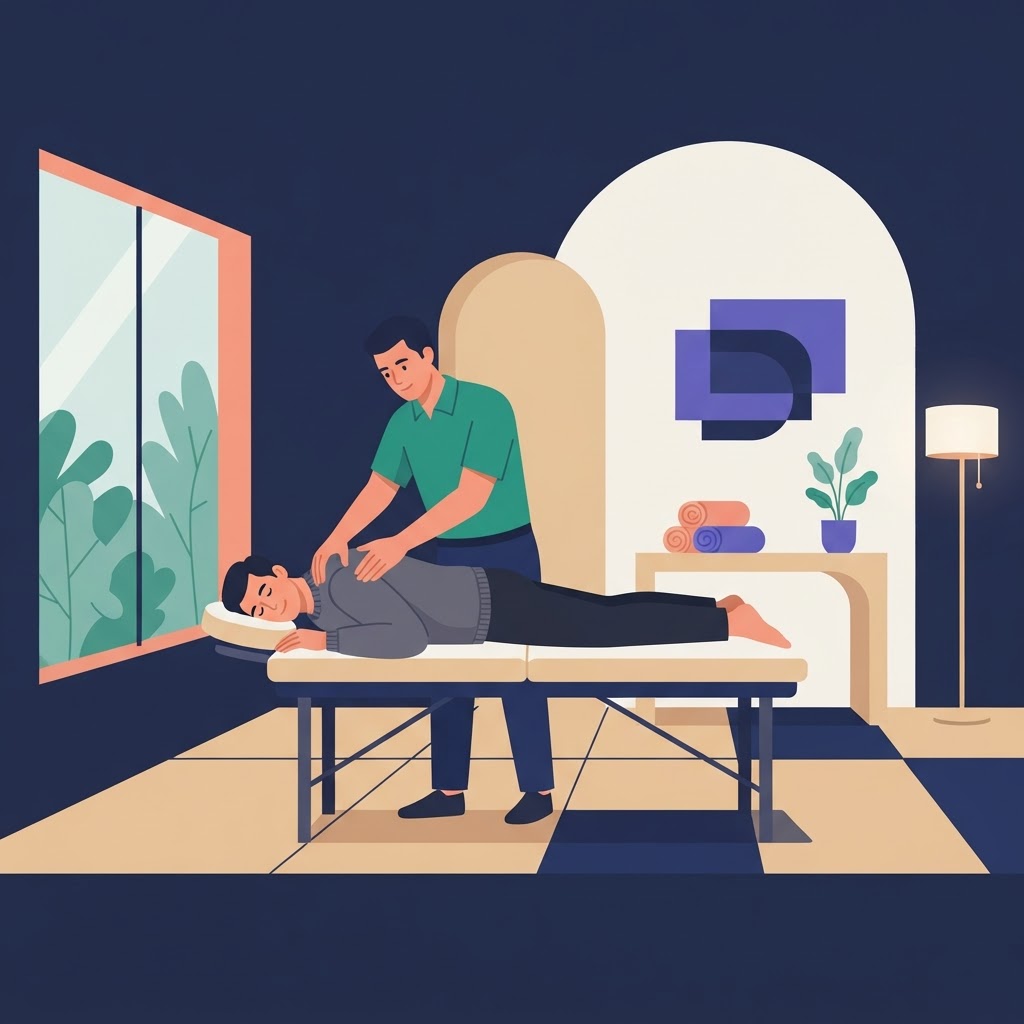
The demand for masseur men has grown significantly over the past decade, reflecting both the broader acceptance of massage therapy as a wellness practice and the specific needs of clients seeking male practitioners. Whether you're searching for a male massage therapist who understands the unique musculoskeletal needs of male clients, prefer the energy and presence of a male practitioner, or simply want to support independent professionals in the LGBTQ+ community, understanding how to find qualified masseur men and what to expect from your session is essential. This guide explores the professional landscape of male massage therapists, helping both clients and practitioners navigate this evolving field with confidence.
Understanding the Professional Landscape of Masseur Men
The term "masseur" specifically refers to a male massage therapist, distinguishing these practitioners from masseuses (female therapists) or the gender-neutral "massage therapist." In 2026, masseur men work across every major city worldwide, from New York and Los Angeles to London, Sydney, Bangkok, and São Paulo. These independent practitioners typically specialize in modalities ranging from therapeutic deep tissue and sports massage to relaxation-focused Swedish techniques, Thai bodywork, and specialized approaches like four-hands massage.
Credentials and Training Standards
Professional masseur men complete rigorous training programs that typically range from 500 to 1,000 hours of instruction, depending on jurisdiction. In the United States, most states require licensing or certification through boards that verify education, examination passage, and adherence to continuing education requirements. The American Massage Therapy Association's professional standards outline core competencies including anatomy, physiology, pathology, kinesiology, ethics, and hands-on technique development.
Common certifications among masseur men include:
- State-issued Licensed Massage Therapist (LMT) or Certified Massage Therapist (CMT)
- National Certification Board for Therapeutic Massage & Bodywork (NCBTMB) certification
- Specialized certifications in sports massage, medical massage, or specific modalities
- CPR and first aid certification
- Liability insurance coverage
International standards vary considerably, with countries like the UK, Australia, and Canada maintaining their own regulatory frameworks. When evaluating masseur men in any location, verifying credentials through state boards such as the Louisiana Board of Massage Therapy or equivalent regulatory bodies ensures you're working with a qualified professional who adheres to legal and ethical standards.
Why Clients Seek Masseur Men
The reasons clients specifically search for male massage therapists are diverse and personal. Understanding these motivations helps both clients articulate their preferences and masseur men better serve their target demographics.
Physical and Therapeutic Considerations
Many male clients, particularly athletes and those with significant muscle mass, prefer masseur men because of the deeper pressure and strength male therapists can typically apply. Sports massage and deep tissue work often require sustained pressure that some practitioners find physically demanding over multiple sessions per day. Recent research published in Nature Human Behaviour analyzing touch interventions confirms that massage effectiveness relates not only to pressure but also to the therapeutic relationship and client comfort.
| Client Need | Why Male Therapists May Be Preferred |
|---|---|
| Deep tissue work | Sustained pressure capability, upper body strength |
| Sports recovery | Understanding of male athletic physiology |
| Comfort and safety | Gender preference for vulnerable situations |
| LGBTQ+ affirmation | Community connection, cultural competence |
| Body image concerns | Reduced anxiety around body exposure |
Comfort, Privacy, and Community Connection
For gay and bisexual men, working with masseur men who understand LGBTQ+ experiences creates a fundamentally different therapeutic environment. This isn't about seeking anything beyond professional massage therapy, but rather about the comfort of not having to explain relationship dynamics, not facing judgment about body modification or grooming choices, and working with practitioners who are part of or allies to the community. The therapeutic space becomes truly safe when clients don't need to code-switch or hide aspects of their identity.
Many masseur men actively market to LGBTQ+ clients, creating practices that explicitly welcome gay, bisexual, and queer men. This visibility matters: when you can find a male masseur who understands that your partner is "he," not "she," the intake conversation flows more naturally, and the entire therapeutic relationship starts from a foundation of acceptance.
What to Expect During Your Session with Masseur Men
Professional massage sessions with male therapists follow the same ethical and clinical standards as any licensed practice. Understanding the typical session structure helps both first-time and experienced clients approach appointments with appropriate expectations. The AMTA's guidance on what to expect provides comprehensive information applicable to all professional massage contexts.
Initial Consultation and Intake
Your first appointment with masseur men should begin with a health history intake covering:
- Current health conditions, injuries, or areas of pain
- Medications or supplements that might affect massage (blood thinners, muscle relaxants)
- Previous massage experience and preferences
- Specific goals for the session (pain relief, relaxation, flexibility improvement)
- Pressure preferences and any areas to avoid
This consultation establishes informed consent and helps your therapist customize the session to your needs. Professional masseur men use this time to assess whether massage is appropriate for your current health status or if you should first consult with a physician.
Session Structure and Professional Boundaries
A typical 60 or 90-minute session includes:
- Pre-session discussion (5-10 minutes): Reviewing intake information and session goals
- Privacy for undressing (3-5 minutes): The therapist leaves while you undress to your comfort level and position yourself on the table under draping
- Massage therapy (45-75 minutes): Hands-on work using agreed-upon techniques and pressure
- Post-session transition (5 minutes): Privacy to dress, followed by brief discussion of findings and recommendations
Professional draping maintains your modesty throughout the session. Only the area being worked is exposed, and genitals remain covered at all times. Masseur men who maintain professional practices never compromise on these standards. Any therapist who suggests otherwise is not operating within professional boundaries.
The ABMP's guidance on setting boundaries with inappropriate clients provides valuable perspective for both therapists and clients on maintaining appropriate professional relationships. Ethical masseur men clearly communicate boundaries and terminate sessions if those boundaries are crossed.
Finding Qualified Masseur Men in Your Area
The challenge many clients face is actually finding qualified male massage therapists in their city. While general spa directories list predominantly female practitioners, and national certification databases don't filter by practitioner gender, specialized platforms have emerged to connect clients specifically with masseur men.
Online Directories and Marketplaces
The most efficient approach is using dedicated directories that focus on independent male massage therapists. These platforms allow you to:
- Browse profiles organized by city and country
- View therapist photos, specializations, and rate information
- Compare techniques offered (Swedish, deep tissue, Thai, sports massage, etc.)
- Read therapist descriptions of their approach and ideal clients
- Contact practitioners directly to book appointments
For independent masseur men looking to grow their client base, listing your profile on PROMASSEURS provides visibility to clients specifically searching for male massage therapists in cities across North America, Europe, Latin America, Asia, and Australia.
Vetting and Red Flags
When evaluating masseur men, whether through directories or other sources, look for:
Green flags indicating professionalism:
- Clear licensing information with verifiable credentials
- Professional photos of the workspace (not just personal selfies)
- Detailed descriptions of techniques and specializations
- Published rates and cancellation policies
- Professional website or comprehensive profile
- Positive reviews from verified clients
Red flags suggesting unprofessional practice:
- Vague or absent licensing information
- Excessive focus on physical appearance over credentials
- Suggestive language or imagery unrelated to therapeutic massage
- Reluctance to provide verifiable business information
- Pressure to book without an initial consultation
- Unwillingness to discuss draping, boundaries, or session structure
Professional masseur men welcome questions about credentials, approach, and session structure. Legitimate therapists understand that informed clients make the best long-term clients.
Health Benefits and Clinical Applications
Beyond comfort and preference, clients seek masseur men for legitimate therapeutic benefits supported by clinical research. Understanding what massage can and cannot do helps set realistic expectations.
Evidence-Based Applications
A systematic review of massage therapy for pain published in recent years analyzed studies from 2018 through 2023, finding moderate evidence for massage effectiveness in managing:
- Chronic low back pain
- Neck and shoulder pain
- Headaches and migraines
- Post-exercise muscle soreness
- Fibromyalgia symptoms
- Osteoarthritis pain
The NIH's clinical digest on massage therapy notes that while massage shows promise for these conditions, it works best as part of comprehensive care rather than as a standalone treatment. Masseur men who maintain evidence-based practices help clients understand both the potential benefits and limitations of massage therapy.

Mental Health and Stress Reduction
Beyond physical benefits, massage therapy addresses stress, anxiety, and general wellbeing. For many men, particularly those who don't receive regular physical affection or touch in daily life, therapeutic massage with masseur men provides important non-sexual human connection. This aspect of care becomes particularly significant for single gay men, those living alone, or clients dealing with social isolation.
Specializations Among Masseur Men
Male massage therapists often develop expertise in specific modalities that align with their training, interests, and client demographics. Understanding these specializations helps clients find practitioners best suited to their needs.
Sports and Athletic Performance
Many masseur men specialize in sports massage, working with amateur and professional athletes to enhance performance, prevent injury, and support recovery. Sports massage techniques include:
- Pre-event massage to warm muscles and improve flexibility
- Post-event massage to reduce soreness and clear metabolic waste
- Maintenance massage during training to prevent overuse injuries
- Rehabilitation massage to support recovery from specific injuries
Athletes often prefer male therapists familiar with male physiology and the specific demands of their sports. A masseur working primarily with runners understands IT band issues, while one specializing in weightlifters knows how to address chest and shoulder tension patterns unique to that training style.
Deep Tissue and Pain Management
Deep tissue massage addresses chronic muscle tension and pain patterns through slow, deliberate strokes and sustained pressure on deep muscle layers. This modality requires significant strength and body mechanics knowledge, which many masseur men develop as a specialty. Clients with conditions like:
- Chronic back pain from desk work or driving
- Shoulder and neck tension from stress or poor posture
- Hip and leg pain from repetitive activities
- Scar tissue and adhesions from old injuries
Often seek masseur men specifically for their ability to provide effective deep pressure without causing injury or excessive soreness.
Relaxation and Stress Management
Not all clients need therapeutic intervention for pain or injury. Many masseur men build practices around relaxation-focused Swedish massage, which emphasizes long, flowing strokes, gentle kneading, and rhythmic tapping to promote circulation and relaxation. This approach particularly benefits clients dealing with:
- Chronic stress and anxiety
- Sleep disorders
- General tension without specific pain points
- Touch deprivation or social isolation
The mental health benefits of regular relaxation massage are well-documented, and many clients maintain monthly or bi-weekly appointments with masseur men as part of their self-care routines.
Specialized Techniques and Niche Practices
Some masseur men develop expertise in specialized modalities that serve particular client populations:
| Specialization | Target Clients | Key Benefits |
|---|---|---|
| Thai massage | Flexibility seekers | Passive stretching, energy line work |
| Medical massage | Clinical referrals | Insurance billing, doctor collaboration |
| Four-hands massage | Luxury/experience seekers | Synchronized work by two therapists |
| Trigger point therapy | Chronic pain patients | Specific muscle knot release |
| Lymphatic drainage | Post-surgical/medical | Reduced swelling, immune support |
Understanding your specific needs helps you identify masseur men with relevant training and experience.
Professional Ethics and Client Safety
The massage therapy profession maintains rigorous ethical standards designed to protect both clients and practitioners. Masseur men operating within professional boundaries follow these guidelines consistently.
Scope of Practice and Medical Limitations
Licensed massage therapists work within a defined scope of practice that includes soft tissue manipulation for therapeutic benefit. Masseur men cannot and should not:
- Diagnose medical conditions
- Prescribe medications or supplements
- Perform spinal adjustments or manipulations
- Make medical claims beyond massage's established benefits
- Continue treatment when medical intervention is clearly needed
Professional practitioners refer clients to physicians, physical therapists, chiropractors, or other healthcare providers when conditions fall outside massage therapy's scope. This interdisciplinary approach prioritizes client health over maintaining appointments.
Consent and Communication
Ongoing consent forms the foundation of ethical practice. Professional masseur men:
- Explain what will happen during the session before beginning
- Ask permission before working sensitive areas (glutes, inner thighs, abdomen, chest)
- Check in regularly about pressure and comfort
- Stop immediately if a client expresses discomfort or withdraws consent
- Welcome questions and feedback throughout the session
This communication creates a therapeutic environment where clients feel empowered to direct their care. Any masseur who discourages questions, ignores stated boundaries, or pressures clients to accept unwanted work demonstrates unprofessional behavior.
Privacy and Confidentiality
Massage therapy involves physical vulnerability, and professional masseur men protect client privacy rigorously. This includes:
- Maintaining confidential health information according to applicable privacy laws
- Providing adequate draping and privacy for dressing/undressing
- Scheduling appointments to minimize lobby waiting with other clients
- Securing client records and contact information
- Never discussing clients with other clients or on social media
For LGBTQ+ clients, confidentiality extends to respecting clients' outness and not disclosing sexual orientation or gender identity information without explicit permission.
The Business of Being a Masseur: Perspectives for Practitioners
While this guide primarily addresses clients seeking masseur men, understanding the professional challenges male therapists face provides useful context. For practitioners, building a successful independent practice requires both clinical excellence and business acumen.
Marketing to Male Clients
Masseur men who want to build practices serving primarily male or LGBTQ+ clientele face unique marketing challenges. Mainstream spa and wellness platforms often cater to predominantly female clientele, making it difficult for male therapists to reach their target audience. Strategies that work for masseur men include:
- Clear, professional online presence emphasizing credentials and specializations
- Targeted marketing through LGBTQ+ community resources and events
- Word-of-mouth referrals from satisfied clients
- Presence on platforms where male clients search for male therapists
- Content marketing addressing men's specific massage needs
Building visibility in directories that serve your target demographic significantly impacts client acquisition. Rather than competing for attention on general platforms where you're one of hundreds of therapists, focusing on spaces where clients actively seek masseur men improves both efficiency and client fit.
Pricing and Value Positioning
Rate setting for masseur men varies dramatically by location, experience, specialization, and target market. Urban practitioners in major metros typically charge $100-$200 for a 60-minute session, while those in smaller markets or with less experience may charge $60-$100. Specialized techniques, mobile service, or luxury positioning can command premium rates.
Professional pricing reflects:
- Cost of maintaining proper licensure, insurance, and continuing education
- Overhead for studio space, linens, oils, and equipment
- Time spent on client communication, scheduling, and administrative work
- Years of experience and specialized training
- Market rates in your specific city and demographic
Underpricing devalues professional massage therapy and makes sustaining a practice financially difficult. Masseur men should research local rates and price competitively while ensuring their rates support a viable business.
Client Retention and Professional Development
Building a sustainable practice requires moving beyond new client acquisition to retaining regular clients. Masseur men with strong practices typically maintain:
- 40-60% of clients as regulars seeing them monthly or more frequently
- 20-30% as occasional clients (quarterly or seasonally)
- 10-20% as one-time clients or tourists
Retention strategies include excellent clinical work, consistent scheduling, professional communication, and ongoing learning. Clients return to masseur men who deliver results, respect their time, and create welcoming therapeutic environments.
Continuing education keeps skills current and introduces new techniques that can attract different client populations. Many successful masseur men add specialized certifications over their careers, allowing them to serve broader needs and command higher rates.
Geographic Considerations: Finding Masseur Men Worldwide
The availability and regulatory environment for masseur men varies significantly across different regions and countries. Understanding these geographic differences helps both clients and practitioners navigate local markets.
North American Markets
In the United States and Canada, massage therapy regulation occurs primarily at the state or provincial level, creating a patchwork of requirements. Major cities like New York, Los Angeles, Chicago, Toronto, and Vancouver have robust communities of masseur men serving diverse populations. Smaller cities and rural areas may have fewer options, making online directories particularly valuable for clients in these markets.
Urban markets typically offer the widest range of specializations and the most competition, which can benefit clients through competitive pricing and diverse options. However, quality varies significantly, making credential verification and reviews particularly important.
European and UK Markets
European countries maintain varied approaches to massage therapy regulation. The UK does not require massage therapists to hold licenses in most contexts, though professional associations like the Complementary and Natural Healthcare Council (CNHC) provide voluntary registration. This creates more variability in training and standards among masseur men in British markets.
Continental Europe varies by country, with some nations maintaining strict regulations and others taking lighter approaches. Major cities like London, Paris, Berlin, Amsterdam, and Barcelona all have established communities of masseur men serving local and tourist populations.
Asia-Pacific and Latin America
Asian markets present interesting contrasts, with traditional massage practices like Thai massage coexisting with Western modalities. Cities like Bangkok, Singapore, Sydney, and Melbourne offer both traditional practitioners and Western-trained masseur men. Understanding what style of massage you're seeking becomes particularly important in these diverse markets.
Latin American cities including Mexico City, São Paulo, Buenos Aires, and others have growing communities of professional masseur men, though regulation and professional standards vary considerably by country. Browsing masseur profiles by specific city helps clients understand what's available in their location or planned travel destinations.
Common Questions About Working with Masseur Men
Addressing frequently asked questions helps demystify the experience of receiving massage from male therapists.
Is It Appropriate to Request a Male Therapist?
Absolutely. Client comfort is paramount in therapeutic massage, and gender preference is a completely legitimate consideration. Professional massage practices and directories routinely accommodate gender preferences in both directions. Clients have the right to work with practitioners who make them feel comfortable and safe.
How Do I Know If a Masseur Is LGBTQ+-Friendly?
Look for explicit language in their marketing or profile indicating they welcome LGBTQ+ clients. Phrases like "gay-friendly," "LGBTQ+ affirming," "serving the gay community," or similar language signal intentional inclusivity. Masseur men who actively market to gay and bisexual clients understand the importance of this visibility and typically make their affirmation clear. Profiles on specialized directories serving LGBTQ+ clients also indicate friendliness to the community.
What About Massage in Hotel Rooms or Mobile Service?
Many masseur men offer mobile or hotel massage services, particularly in tourist-heavy cities or for clients who prefer the convenience of in-room service. This is a legitimate professional service when provided by licensed practitioners. Verify credentials just as you would for studio appointments, and ensure the practitioner:
- Provides proper licensing information before booking
- Uses professional portable equipment (table, linens, etc.)
- Communicates clearly about rates, session length, and what's included
- Maintains the same professional boundaries as a studio session
Mobile massage typically costs $20-$50 more than studio rates due to travel time and equipment transport.
How Often Should I Get Massage?
Frequency depends on your goals and budget. For therapeutic intervention addressing specific pain or injury, weekly sessions for 4-6 weeks often provide the most benefit, followed by maintenance sessions every 2-4 weeks. For general wellness and stress management, monthly sessions work well for many clients. Elite athletes might receive massage 2-3 times weekly during heavy training periods.
Professional masseur men help you develop a treatment plan based on your specific needs rather than pressuring you into more frequent appointments than necessary.
Trends Shaping the Future of Masseur Men Practices
The massage therapy profession continues evolving, with several trends specifically impacting male practitioners and their clients.
Increasing Male Participation in the Profession
Historically, massage therapy has been a predominantly female profession, with men representing only 15-20% of practitioners in most Western markets. This proportion has grown slowly but steadily, driven by greater male participation in wellness professions generally and increased awareness of massage as a viable career for men. More men entering the field means greater choice for clients seeking masseur men.
Specialized Men's Wellness Integration
Forward-thinking masseur men increasingly integrate their practices with broader men's wellness services. This might include partnerships with men's health clinics, fitness facilities, mental health practitioners, or other complementary providers serving primarily male clients. This integration positions massage as part of comprehensive health management rather than an occasional luxury.
Technology and Online Presence
Digital platforms have transformed how clients find masseur men. Rather than relying on word-of-mouth or general spa directories, clients can now search specifically for male massage therapists in their city, view detailed profiles, compare rates and specializations, and contact practitioners directly. For masseur men, establishing strong online presence has shifted from optional to essential for practice growth.
Evidence-Based Practice Emphasis
As massage therapy continues professionalizing, emphasis on evidence-based practice grows. Masseur men who stay current with research, can explain the physiological mechanisms behind their work, and set realistic expectations based on clinical evidence build stronger client trust and better outcomes. This shift moves the profession away from vague wellness claims toward specific, measurable therapeutic goals.
Whether you're seeking relief from chronic pain, regular relaxation sessions, or sports recovery support, finding the right masseur men for your needs requires understanding professional standards, knowing what questions to ask, and accessing platforms where qualified male massage therapists market their services. Professional male massage therapists offer specialized expertise across numerous modalities, serving clients in hundreds of cities worldwide with evidence-based therapeutic care. PROMASSEURS connects you with independent male massage therapists in your city and around the world, letting you browse detailed profiles, compare techniques and rates, and contact practitioners directly to begin your journey toward better wellness through professional massage therapy.