Massage Therapy
Muscle Therapy Near Me: Find Expert Relief in 2026
Discover professional muscle therapy near me options in 2026. Learn about techniques, benefits, and how to find licensed therapists for optimal recovery.
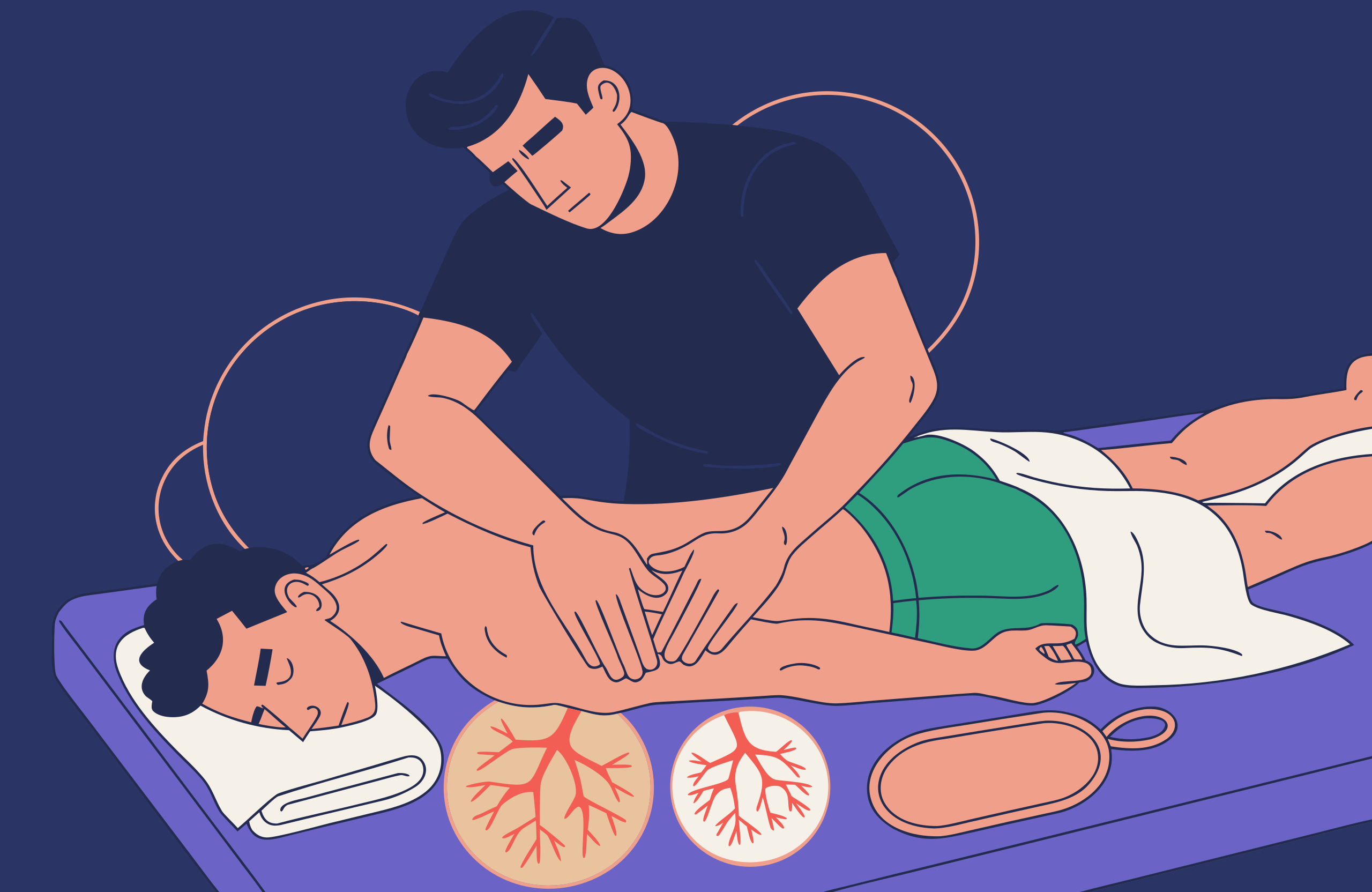
Finding effective muscle therapy near me has become increasingly important as more people recognize the powerful impact of professional massage on physical recovery, pain management, and overall wellness. Whether you're dealing with sports injuries, chronic tension, or post-workout soreness, connecting with a qualified massage therapist who understands your specific needs can make a significant difference in your quality of life. The landscape of massage therapy has evolved dramatically, with specialized techniques and trained professionals offering targeted treatments that go far beyond simple relaxation.
Understanding Muscle Therapy and Its Benefits
Muscle therapy encompasses various hands-on techniques designed to manipulate soft tissue, improve circulation, and promote healing throughout the body. When searching for muscle therapy near me, you're looking for more than just a relaxing experience. You're seeking therapeutic intervention that addresses specific muscular issues, whether they stem from athletic performance, injury recovery, or everyday stress.
Professional muscle therapy offers multiple physiological benefits that extend well beyond temporary relief. Research has shown that massage therapy effectively treats sports-related muscle injuries, providing evidence-based support for pain reduction and functional recovery. These benefits include:
-
Reduced muscle tension and spasms
-
Improved blood flow and oxygen delivery to tissues
-
Enhanced lymphatic drainage and waste removal
-
Decreased inflammation and swelling
-
Accelerated recovery from physical exertion
-
Improved range of motion and flexibility
The therapeutic effects occur through both mechanical and neurological pathways. Skilled therapists apply precise pressure to trigger muscular relaxation, break down adhesions, and stimulate the body's natural healing processes.
Key Massage Therapy Styles for Muscle Recovery
Different muscle therapy techniques serve distinct purposes, and understanding these variations helps you find the right approach when searching for muscle therapy near me. The various massage therapy styles each offer unique health benefits tailored to specific conditions and preferences.
Deep Tissue Massage focuses on the deeper layers of muscle and connective tissue. Therapists use slow, deliberate strokes and firm pressure to reach underlying muscle structures. This technique proves particularly effective for chronic tension, muscle knots, and postural problems. Athletes and individuals with physically demanding jobs often benefit most from this intensive approach.
Sports Massage specifically targets the needs of active individuals and athletes. This modality combines various techniques to prepare muscles for performance, aid in recovery, and prevent injuries. Sports massage therapists understand biomechanics and athletic stress patterns, making them invaluable partners in maintaining peak physical condition.
Swedish Massage employs gentler techniques including long gliding strokes, kneading, and circular movements. While often considered relaxation-focused, Swedish massage still provides significant therapeutic benefits for muscle tension and circulation improvement.
| Massage Type | Primary Focus | Pressure Level | Best For |
|---|---|---|---|
| Deep Tissue | Chronic tension, adhesions | Firm to intense | Chronic pain, limited mobility |
| Sports Massage | Athletic performance, injury prevention | Moderate to firm | Athletes, active individuals |
| Swedish Massage | Overall relaxation, mild tension | Light to moderate | Stress relief, general wellness |
| Trigger Point | Specific pain points | Targeted pressure | Localized pain, referral patterns |
The Science Behind Muscle Recovery and Massage
Understanding the physiological mechanisms behind muscle therapy helps explain why professional treatment proves so effective. When you search for muscle therapy near me, you're tapping into techniques backed by substantial scientific research.
Studies examining delayed onset muscle soreness (DOMS) demonstrate that massage significantly reduces muscle pain and improves recovery following strenuous exercise. This occurs through multiple pathways including mechanical stimulation, increased circulation, and modulation of inflammatory responses.
Muscle tissue experiences microtrauma during intense physical activity or injury. The body responds with inflammation, which while necessary for healing, can cause pain and restrict movement. Professional massage therapy helps regulate this inflammatory response, promoting optimal healing without excessive discomfort.
The neurological benefits deserve equal attention. Massage stimulates mechanoreceptors in the skin and muscles, sending signals through the nervous system that can override pain signals and promote muscular relaxation. This explains why many clients experience immediate relief even from chronic conditions.
Finding Quality Muscle Therapy Near Me
Locating a skilled massage therapist requires more than a simple internet search. The quality of your experience and therapeutic outcomes depend heavily on selecting a properly trained, licensed professional who understands your specific needs.
Credentials and Licensing Requirements
Professional massage therapists undergo extensive training covering anatomy, physiology, pathology, and hands-on techniques. In most states, licensure requires completing hundreds of hours of education and passing national certification examinations. When evaluating muscle therapy near me options, verify that potential therapists hold current licenses and appropriate credentials.
Look for therapists with specialized training in areas relevant to your needs. For example, if you're seeking sports massage, therapists with certifications from organizations specializing in athletic bodywork bring additional expertise. Deep tissue specialists should demonstrate advanced training in structural integration and myofascial techniques.
Essential qualifications to verify:
-
Current state massage therapy license
-
Liability insurance coverage
-
Specialized certifications relevant to your needs
-
Continuing education in current techniques
-
Professional association memberships
Evaluating Therapist Expertise and Specialization
Not all massage therapists excel in the same areas. Some focus primarily on relaxation and stress relief, while others specialize in therapeutic intervention for specific conditions. When searching for muscle therapy near me, identifying therapists whose expertise aligns with your goals ensures better outcomes.
Review therapist profiles carefully, noting their specializations, training background, and experience with conditions similar to yours. Many therapists describe their approach and ideal client types, helping you determine compatibility before booking.
Client testimonials provide valuable insights into therapist effectiveness and interpersonal skills. Look for reviews mentioning specific improvements in pain levels, mobility, or recovery times. Patterns in feedback reveal therapist strengths and help set realistic expectations.
Specialized Muscle Therapy Techniques
Advanced massage therapists employ numerous specialized techniques beyond basic modalities. Understanding these approaches helps you communicate effectively with potential therapists when exploring muscle therapy near me options.
Myofascial Release and Structural Integration
Fascia, the connective tissue surrounding muscles, can become restricted and contribute to pain and limited movement. Myofascial release techniques use sustained pressure and stretching to release fascial restrictions. Alternative treatments for muscle injury include various manual therapy approaches that address soft tissue dysfunction.
Structural integration represents a systematic approach to balancing the body's fascial network. Practitioners work through specific sequences addressing different body regions, gradually improving alignment and function.
Trigger Point Therapy
Trigger points are hyperirritable spots in muscle tissue that cause pain both locally and in referral patterns. Skilled therapists identify these points through palpation and apply sustained pressure to deactivate them. This technique proves particularly effective for chronic pain conditions and can produce dramatic improvements when other approaches fail.
Neuromuscular Therapy
This sophisticated approach combines trigger point work with understanding of biomechanics and postural patterns. Neuromuscular therapists assess whole-body alignment and movement patterns, addressing underlying causes of muscular dysfunction rather than just treating symptoms.
| Technique | Mechanism | Duration | Results Timeline |
|---|---|---|---|
| Myofascial Release | Fascial restriction release | 30-90 minutes | 1-6 sessions |
| Trigger Point | Deactivate pain referral points | 45-60 minutes | Immediate to 3 sessions |
| Neuromuscular | Address postural/biomechanical causes | 60-90 minutes | 4-10 sessions |
| Sports Massage | Performance and recovery optimization | 30-60 minutes | Ongoing maintenance |
Maximizing Your Muscle Therapy Experience
Getting the most from your muscle therapy near me sessions requires active participation and clear communication. Professional therapists work as partners in your wellness journey, and your input significantly impacts treatment effectiveness.
Communicating Your Needs Effectively
Before your first session, prepare to discuss your health history, current symptoms, and treatment goals. Be specific about pain locations, intensity levels, and activities that aggravate or relieve symptoms. This information helps therapists customize their approach and apply appropriate techniques.
During treatment, provide ongoing feedback about pressure levels and comfort. Massage should challenge muscles without causing excessive pain. The "good hurt" versus "bad hurt" distinction matters. Productive discomfort feels intense but tolerable; sharp or burning pain indicates excessive pressure requiring adjustment.
Frequency and Treatment Planning
Optimal session frequency depends on your specific condition and goals. Acute injuries or severe tension often benefit from weekly sessions initially, transitioning to biweekly or monthly maintenance as improvement occurs. The Cleveland Clinic outlines various massage therapy types and their applications for different health conditions.
Typical treatment schedules:
-
Acute injury or severe pain: 1-2 times weekly for 2-4 weeks
-
Chronic conditions: Weekly for 4-6 weeks, then biweekly
-
Athletic performance: Weekly to biweekly ongoing
-
Maintenance and prevention: Monthly to quarterly
Post-Session Care and Self-Maintenance
Muscle therapy effects continue developing after your session ends. Proper post-treatment care maximizes benefits and extends relief duration. Drink plenty of water to help flush metabolic waste released during massage. Gentle movement and stretching support the changes initiated during treatment.
Some soreness following deep tissue or intensive sessions is normal as muscles adapt to changes. This typically resolves within 24-48 hours. If discomfort persists or intensifies, contact your therapist to discuss adjustments for future sessions.
The Role of Muscle Therapy in Athletic Performance
Athletes at all levels increasingly recognize massage therapy as essential for peak performance and injury prevention. When searching for muscle therapy near me as an athlete, finding therapists who understand sports-specific demands proves crucial.
Pre-Event and Post-Event Massage
Pre-event massage uses stimulating techniques to prepare muscles for activity, increasing circulation and flexibility while maintaining readiness. These sessions typically occur 15-45 minutes before competition, using brisk, energizing strokes rather than deep relaxation techniques.
Post-event massage focuses on recovery, using gentler techniques to reduce muscle tension, minimize soreness, and accelerate healing. Massage as a mechanotherapy for skeletal muscle explores the physiological mechanisms underlying massage's benefits for muscle rehabilitation.
Injury Prevention and Recovery
Regular massage therapy helps athletes maintain muscle balance, identify developing problems early, and prevent minor issues from becoming serious injuries. Therapists skilled in sports massage detect subtle tissue changes indicating overuse or compensation patterns.
For injured athletes, appropriate massage therapy accelerates recovery while maintaining fitness in unaffected areas. Therapists modify techniques based on injury phase, using gentle approaches during acute stages and progressively increasing intensity as healing advances.
Integrating Muscle Therapy with Overall Wellness
Professional muscle therapy near me represents one component of comprehensive wellness strategies. The most significant long-term benefits emerge when massage complements other healthy lifestyle practices.
Combining Massage with Exercise and Stretching
Massage therapy and regular exercise create synergistic effects. Exercise builds strength and cardiovascular fitness while massage maintains muscle pliability and recovery capacity. Regular stretching extends massage benefits by maintaining the improved flexibility and range of motion achieved during sessions.
Discuss your exercise routine with your massage therapist. This information helps them target areas receiving the most stress and provide guidance on beneficial stretches or modifications to your training program.
Stress Management and Mental Health Benefits
While physical benefits often motivate people to seek muscle therapy near me, the mental health advantages prove equally valuable. Meta-analysis of massage therapy research demonstrates effectiveness across various outcomes including anxiety reduction and overall well-being improvement.
The relaxation response triggered during massage reduces stress hormones, lowers blood pressure, and promotes parasympathetic nervous system activation. Regular sessions provide dedicated time for self-care, supporting mental health alongside physical recovery.
Building Long-Term Therapeutic Relationships
Working consistently with the same therapist allows them to track your progress, understand your body's patterns, and refine treatment approaches over time. This continuity enhances outcomes as therapists develop detailed knowledge of your specific needs and responses.
Many clients find that establishing a long-term relationship with a skilled massage therapist becomes an invaluable aspect of their health maintenance strategy. The trust and communication developed through regular sessions enable more effective, personalized treatment.
Accessibility and Convenience Factors
Practical considerations significantly impact your ability to maintain regular muscle therapy near me sessions. Location, scheduling flexibility, and cost all influence treatment consistency.
Location and Travel Considerations
Proximity matters when committing to regular massage therapy. Sessions located conveniently near your home or workplace reduce barriers to consistency. Consider travel time and traffic patterns when evaluating options, as difficult access may lead to missed appointments or discontinued treatment.
Some therapists offer mobile services, bringing professional equipment to your location. This option provides maximum convenience, particularly for individuals with limited mobility or demanding schedules.
Scheduling Flexibility and Availability
Therapists' scheduling options vary considerably. Some maintain traditional business hours while others offer evening or weekend appointments. When searching for muscle therapy near me, verify that potential therapists offer times compatible with your schedule.
Advance booking requirements differ among practices. Popular therapists may require scheduling weeks ahead, while others accommodate same-day appointments. Understand booking policies to ensure access when you need treatment.
Investment and Payment Options
Massage therapy represents an investment in health and wellness. Session costs vary based on therapist experience, location, technique complexity, and session duration. While price shouldn't be the sole deciding factor, understanding costs helps with budgeting and planning.
Pricing considerations:
-
Standard session rates typically range from $60-150 per hour
-
Specialized techniques may command premium pricing
-
Package deals often reduce per-session costs
-
Some health insurance plans cover medically necessary massage
-
HSA and FSA accounts may reimburse massage therapy expenses
Technology and Modern Muscle Therapy Access
The digital age has transformed how people find and access muscle therapy near me, making it easier than ever to connect with qualified professionals and manage treatment.
Online Platforms and Directories
Specialized directories help clients locate massage therapists by location, specialization, and availability. These platforms typically include detailed profiles, credentials verification, client reviews, and direct booking capabilities. Advanced search filters enable targeting specific techniques or therapist characteristics.
Many platforms verify therapist licenses and credentials, providing additional confidence in professional qualifications. Client review systems offer insights into therapist effectiveness and interpersonal dynamics.
Virtual Consultations and Follow-Up
While hands-on treatment requires in-person sessions, many therapists offer virtual consultations for initial assessments or follow-up guidance. These video sessions allow therapists to observe movement patterns, provide stretching instruction, and discuss treatment progress without requiring office visits.
Virtual options particularly benefit clients preparing for their first session, enabling detailed discussion of concerns and treatment approaches before committing to in-person appointments.
Session Documentation and Progress Tracking
Modern practices increasingly use digital tools for maintaining treatment records, tracking progress, and communicating between sessions. Some therapists provide clients with access to session notes, homework exercises, and progress metrics through secure portals.
This documentation supports continuity of care and helps both clients and therapists identify patterns, evaluate treatment effectiveness, and adjust approaches as needed.
Finding effective muscle therapy near me requires understanding different techniques, verifying therapist credentials, and identifying professionals whose expertise matches your specific needs. Whether you're managing chronic pain, recovering from injury, or optimizing athletic performance, professional massage therapy offers evidence-based benefits for physical recovery and overall wellness. PROMASSEURS specializes in connecting clients with licensed male massage therapists worldwide, offering expertise in Deep Tissue, Sports massage, and various therapeutic techniques tailored to your individual goals. Take the first step toward better muscle health by exploring qualified professionals who can provide the targeted treatment you deserve.
Illustrated guide to Muscle Therapy Near Me: Find Expert Relief in 2026