Sports Performance
Sports Massage for Athletes: Performance, Recovery, and Injury Prevention Guide
Sports Massage for Athletes: Performance, Recovery, and Injury Prevention Guide Whether you're a professional athlete, weekend warrior, or fitness
Sports Massage for Athletes: Performance, Recovery, and Injury Prevention Guide
Whether you're a professional athlete, weekend warrior, or fitness enthusiast, sports massage is a game-changer for performance enhancement, faster recovery, and injury prevention. This comprehensive guide explores how therapeutic sports massage can take your athletic performance to the next level.
What is Sports Massage?
Definition and Purpose
Sports massage is a specialized form of therapeutic bodywork designed specifically for athletes and active individuals. Unlike relaxation massage, sports massage focuses on:
- Enhancing athletic performance
- Preventing injuries
- Speeding recovery after intense training
- Treating sports-related injuries
- Maintaining optimal muscle condition
How Sports Massage Differs from Other Types
Sports Massage vs. Swedish Massage
- More focused and targeted
- Variable pressure levels
- Incorporates stretching and movement
- Performance-oriented goals
- Sport-specific applications
Sports Massage vs. Deep Tissue
- Addresses specific muscle groups
- Timing matters (pre/post-event)
- Includes active movement
- Focus on functional improvement
- Injury prevention emphasis
The Science Behind Sports Massage
Physiological Benefits
Improved Blood Circulation
- Increases oxygen delivery to muscles by 15-20%
- Removes metabolic waste products
- Reduces lactic acid buildup
- Accelerates healing processes
Enhanced Muscle Recovery
- Reduces delayed onset muscle soreness (DOMS) by 30%
- Decreases inflammation markers
- Speeds protein synthesis
- Promotes tissue repair
Increased Flexibility
- Improves range of motion by 10-15%
- Reduces muscle stiffness
- Enhances joint mobility
- Optimizes movement patterns
Research-Backed Performance Gains
Studies published in the Journal of Sports Medicine show:
- 30% faster recovery after intense exercise
- Reduced injury risk by 25-40%
- Improved power output in subsequent workouts
- Better athletic performance measures
- Enhanced mental focus and preparation
Types of Sports Massage
Pre-Event Massage (Before Competition)
Purpose:
- Warm up muscles
- Increase circulation
- Enhance mental focus
- Prepare body for performance
Timing:
- 15-45 minutes before event
- Quick, stimulating techniques
- Focus on key muscle groups
Techniques Used:
- Rapid compression
- Vigorous effleurage
- Joint mobilization
- Stretching
Benefits:
- Reduced warm-up time
- Better performance readiness
- Mental preparation
- Injury prevention
Post-Event Massage (After Competition)
Purpose:
- Speed recovery
- Remove metabolic waste
- Reduce muscle soreness
- Prevent injury
Timing:
- Within 2 hours after event
- Gentle, soothing approach
- 15-30 minutes duration
Techniques Used:
- Light effleurage
- Gentle compression
- Lymphatic drainage
- Passive stretching
Benefits:
- 30% reduction in DOMS
- Faster return to training
- Reduced inflammation
- Better recovery quality
Maintenance Massage (Between Training Sessions)
Purpose:
- Maintain muscle health
- Identify problem areas early
- Prevent overuse injuries
- Optimize training response
Timing:
- Weekly or bi-weekly
- During training periods
- 60-90 minute sessions
Techniques Used:
- Deep tissue work
- Trigger point therapy
- Myofascial release
- Active release techniques
Benefits:
- Consistent muscle quality
- Early injury detection
- Better training adaptation
- Reduced injury risk
Rehabilitative Massage (After Injury)
Purpose:
- Aid injury recovery
- Break down scar tissue
- Restore function
- Prevent re-injury
Timing:
- As prescribed by healthcare provider
- Multiple sessions per week
- Coordinated with physical therapy
Techniques Used:
- Scar tissue mobilization
- Cross-fiber friction
- Gradual progressive work
- Functional movement patterns
Benefits:
- Faster healing
- Better tissue quality
- Reduced re-injury risk
- Improved outcomes
Sport-Specific Applications
Running and Endurance Sports
Common Issues:
- IT band syndrome
- Plantar fasciitis
- Hamstring tightness
- Calf strains
Focus Areas:
- Lower body emphasis
- Hip flexors and glutes
- Calves and feet
- Lower back support
Recommended Frequency:
- Weekly during training
- Post-race recovery
- Pre-race preparation
Strength Training and Bodybuilding
Common Issues:
- Muscle soreness
- Overtraining symptoms
- Joint stress
- Movement restrictions
Focus Areas:
- Worked muscle groups
- Joint mobility
- Fascial restrictions
- Recovery optimization
Recommended Frequency:
- Bi-weekly maintenance
- Post-competition recovery
- During deload weeks
Team Sports (Football, Basketball, Soccer)
Common Issues:
- Impact injuries
- Overuse patterns
- Asymmetrical development
- Quick direction changes
Focus Areas:
- Sport-specific muscles
- Joint mobility
- Balance work
- Injury prevention
Recommended Frequency:
- 1-2 times weekly in-season
- More frequent during playoffs
- Off-season maintenance
Combat Sports (MMA, Boxing, Wrestling)
Common Issues:
- Full-body impact
- Neck and shoulder stress
- Hand and wrist problems
- Recovery demands
Focus Areas:
- Upper body emphasis
- Neck and shoulders
- Core muscles
- Hands and forearms
Recommended Frequency:
- 2-3 times weekly during camp
- Post-fight recovery
- Between training sessions
Swimming and Water Sports
Common Issues:
- Shoulder problems
- Repetitive strain
- Flexibility needs
- Upper body dominance
Focus Areas:
- Rotator cuff muscles
- Shoulders and upper back
- Chest and lats
- Core stability
Recommended Frequency:
- Weekly during season
- Daily during competitions
- Off-season maintenance
Injury Prevention Through Sports Massage
How Massage Prevents Injuries
Early Problem Detection
- Identifies tight or weak areas
- Finds asymmetries
- Catches issues before injury
- Allows corrective action
Muscle Balance Restoration
- Releases overactive muscles
- Supports underactive muscles
- Corrects movement patterns
- Optimizes biomechanics
Scar Tissue Management
- Breaks down adhesions
- Improves tissue quality
- Restores proper function
- Prevents compensation patterns
Most Common Preventable Injuries
Overuse Injuries:
- Tendinitis (25-40% reduction with regular massage)
- Stress fractures
- Bursitis
- Fascial restrictions
Muscle Strains:
- Hamstring pulls (30% reduction)
- Groin strains
- Calf tears
- Quad strains
Joint Problems:
- IT band syndrome
- Rotator cuff issues
- Hip impingement
- Ankle instability
Finding the Right Sports Massage Therapist
Essential Qualifications
Must-Have Credentials:
- Licensed massage therapist
- Sports massage certification
- Anatomy and kinesiology knowledge
- Injury assessment skills
- Professional liability insurance
Preferred Experience:
- Work with your sport specifically
- 5+ years professional experience
- Continuing education in sports massage
- Understanding of training principles
Questions to Ask
About Experience:
- Have you worked with [your sport] athletes?
- What's your sports massage training?
- Do you work with any teams or coaches?
- Can you assess movement patterns?
About Approach:
- How do you customize treatments?
- What techniques do you use?
- How do you coordinate with coaches/trainers?
- What's your injury management protocol?
About Logistics:
- What's your availability during season?
- Do you offer mobile services?
- What's your cancellation policy?
- Do you provide event coverage?
Why Choose Male Massage Therapists
Many athletes prefer male sports massage therapists because:
Physical Advantages:
- Greater pressure capacity
- Sustained deep work
- Strength for intensive techniques
- Understanding of male athlete bodies
Communication Benefits:
- Relate to male athletic experience
- Understand training intensity
- Connect on sports performance
- Build coaching-style relationships
Comfort Factors:
- Same-gender comfort
- Locker room environment
- Direct communication style
- Competitive mindset understanding
Integration with Training Programs
Working with Coaches and Trainers
Communication is Key:
- Share training schedules
- Discuss competition timing
- Coordinate recovery protocols
- Report problem areas
Optimal Integration:
- Schedule around key workouts
- Adjust intensity based on training
- Time sessions for maximum benefit
- Support periodization goals
Timing Your Sessions
Light Training Days:
- Ideal for deeper work
- More intensive techniques
- Address problem areas
- 60-90 minute sessions
Heavy Training Days:
- Lighter, recovery-focused
- Shorter sessions (30-45 min)
- Gentle techniques
- Support recovery process
Rest Days:
- Good for maintenance work
- Moderate to deep pressure
- Full-body sessions
- Injury prevention focus
Pre-Competition:
- 2-3 days before events
- Moderate work only
- Avoid aggressive techniques
- Focus on readiness
Cost and Investment
Average Pricing
Standard Sessions:
- 60 minutes: $100-$150
- 90 minutes: $150-$220
- 120 minutes: $200-$300
Package Deals:
- 5 sessions: 10-15% discount
- 10 sessions: 15-20% discount
- Monthly unlimited: $300-$500
Event Coverage:
- Pre-event: $75-$100 per hour
- Post-event: $75-$100 per hour
- Full-day events: $500-$800
Return on Investment
Financial Benefits:
- Fewer injury-related medical costs
- Less time lost to injuries
- Better training consistency
- Improved performance outcomes
Performance Benefits:
- Faster recovery between sessions
- Better training adaptation
- Reduced overtraining risk
- Enhanced competitive readiness
Self-Care Between Sessions
Foam Rolling and Self-Massage
Daily Practices:
- 10-15 minutes post-workout
- Focus on tight areas
- Gentle, consistent pressure
- Complements professional work
Tools to Use:
- Foam rollers
- Massage balls
- Massage guns (theragun)
- Roller sticks
Stretching Programs
Static Stretching:
- Post-workout focus
- Hold 30-60 seconds
- Target major muscle groups
- Enhance massage benefits
Dynamic Stretching:
- Pre-workout preparation
- Movement-based stretches
- Sport-specific patterns
- Injury prevention
Recovery Nutrition
Support Massage Benefits:
- Adequate protein intake
- Anti-inflammatory foods
- Proper hydration
- Quality sleep
Conclusion: Elevate Your Game
Sports massage is not a luxury—it's a necessity for serious athletes who want to perform at their peak, recover faster, and stay injury-free. The combination of targeted therapeutic work, proper timing, and consistent maintenance creates a powerful tool for athletic enhancement.
Whether you're training for your first 5K or competing at the professional level, working with a qualified male sports massage therapist can transform your athletic journey. The investment in regular sports massage pays dividends through better performance, faster recovery, and fewer injuries.
Ready to take your training to the next level? Find experienced male sports massage therapists on ProMasseurs who specialize in your sport. Browse profiles, read reviews, and book your first session today. Your body—and your performance—will thank you.
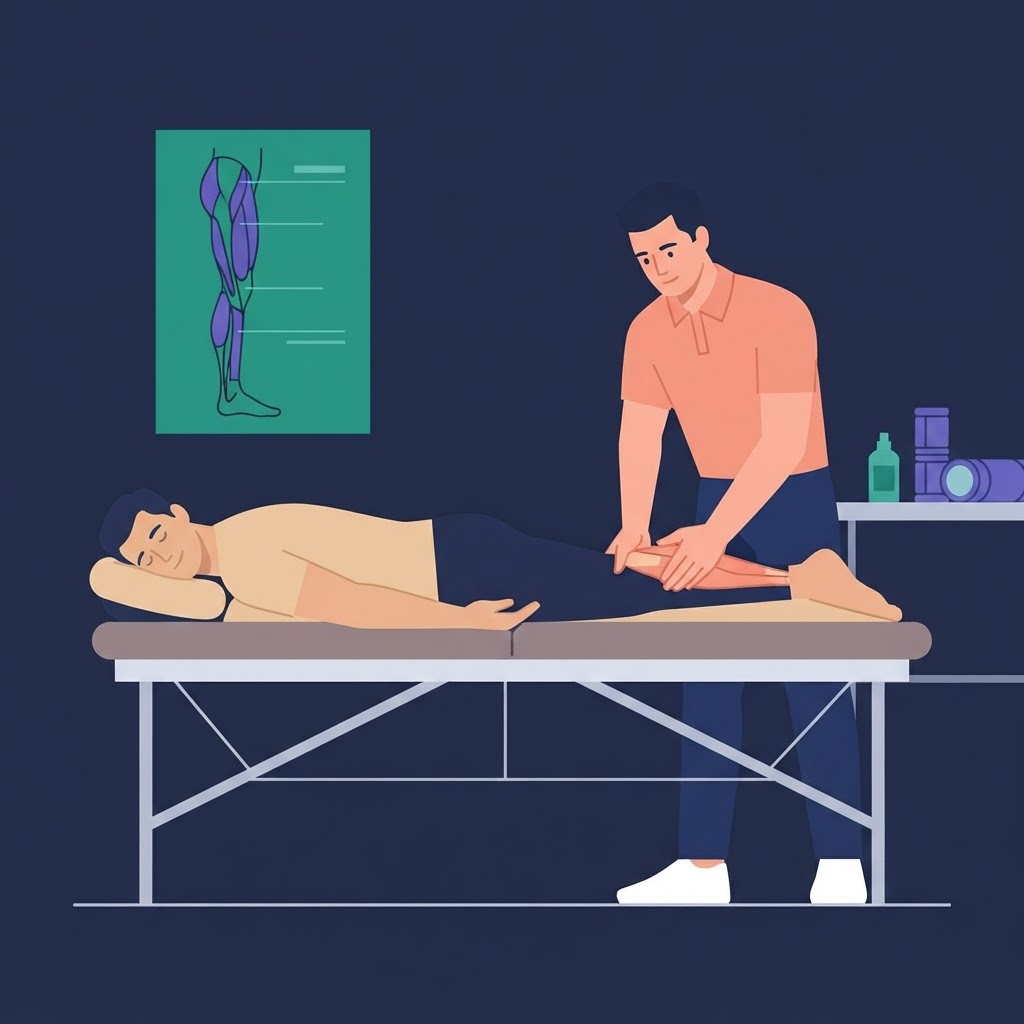
Illustrated guide to Sports Massage for Athletes: Performance, Recovery, and Injury Prevention Guide