Massage Therapy
Sports Massage New York City: Expert Guide 2026
Discover sports massage New York City options for athletes and active individuals. Learn techniques, benefits, and how to find skilled therapists.
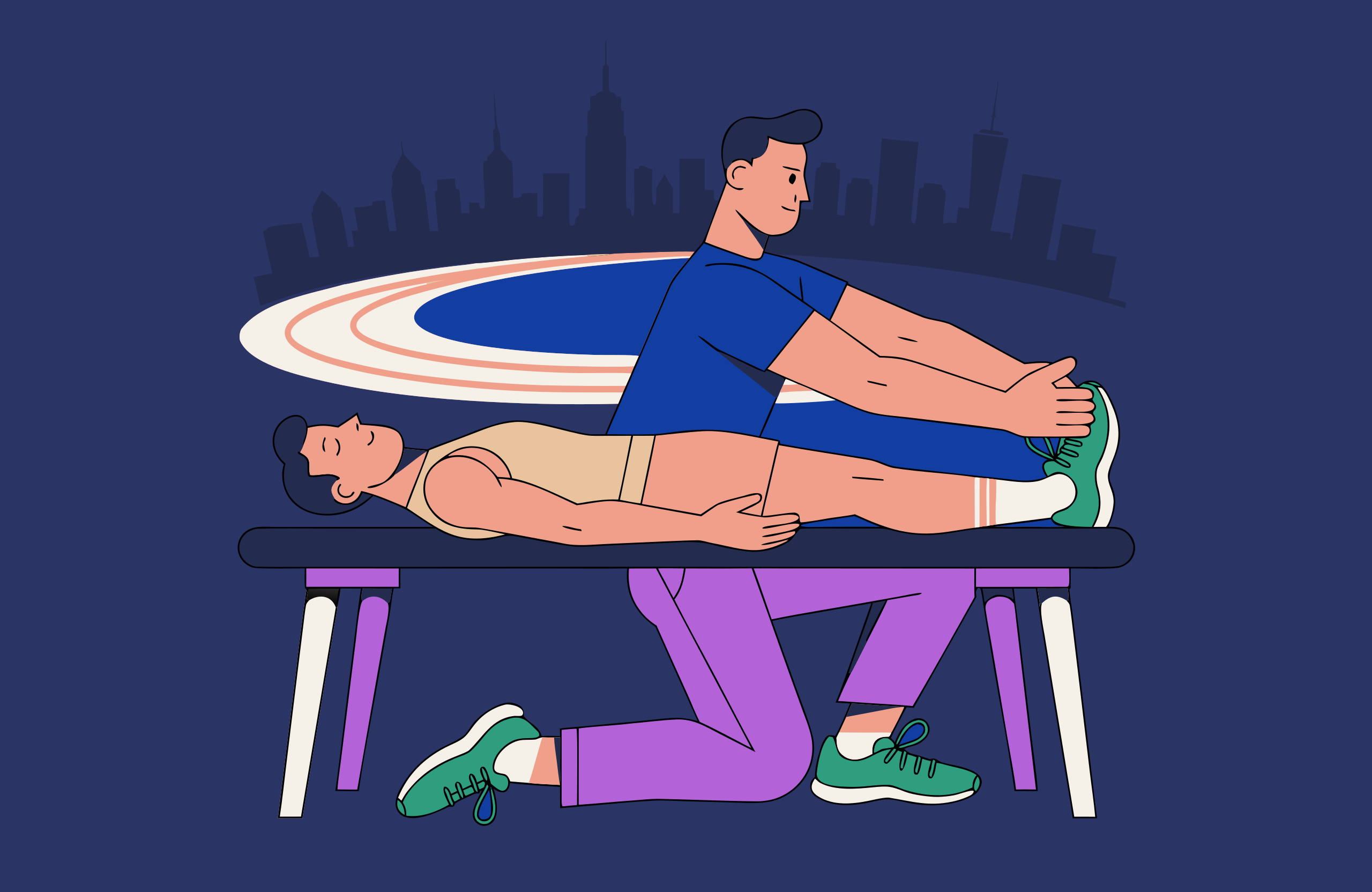
New York City's vibrant athletic community demands specialized bodywork that goes beyond traditional relaxation massage. Whether you're training for the NYC Marathon, maintaining a rigorous gym schedule in Chelsea, or recovering from weekend sports injuries in Central Park, sports massage has become an essential component of wellness routines for active individuals throughout the five boroughs. The city's competitive fitness culture and fast-paced lifestyle create unique demands that specialized therapeutic techniques can address effectively.
Understanding Sports Massage in NYC's Athletic Landscape
Sports massage New York City practitioners offer targeted therapeutic interventions designed specifically for athletes and physically active individuals. This specialized modality differs significantly from Swedish massage through its focused approach to muscle groups under athletic stress.
The technique addresses specific concerns that active New Yorkers face daily. Muscle tension from repetitive movements, athletic injuries requiring rehabilitation, and performance optimization for competitive events all fall within the scope of professional sports massage practice.
Key Techniques Used by NYC Therapists
Licensed massage therapists throughout Manhattan, Brooklyn, Queens, and beyond employ several core techniques:
- Effleurage: Long, gliding strokes that warm muscle tissue and improve circulation
- Petrissage: Kneading movements that release deeper muscle knots and adhesions
- Friction: Targeted pressure applied across muscle fibers to break down scar tissue
- Tapotement: Rhythmic percussion that stimulates nerve endings and energizes muscles
- Compression: Direct pressure that addresses trigger points and localized tension
These methods work synergistically to address the unique demands placed on bodies navigating New York City's demanding physical environment. From climbing subway stairs to intense CrossFit sessions, the city's active population benefits from therapeutic approaches that recognize their specific challenges.
Scientific Evidence Supporting Sports Massage Benefits
Research validates what athletes have experienced for decades. Studies examining sports massage effectiveness demonstrate measurable improvements in recovery metrics and performance indicators when incorporated into training regimens.
Delayed onset muscle soreness (DOMS) represents one of the most significant challenges facing active individuals. Sports massage New York City sessions can reduce DOMS severity by 30-40% when applied within 48 hours of intense exercise, according to systematic reviews of therapeutic interventions.
| Benefit Category | Measured Impact | Timeline |
|---|---|---|
| Muscle Soreness Reduction | 30-40% decrease | 24-72 hours post-session |
| Range of Motion | 10-15% improvement | Immediate to 48 hours |
| Perceived Recovery | 25-35% enhancement | 24-96 hours |
| Performance Markers | 5-8% optimization | Variable by metric |
The psychological benefits deserve equal attention. New York City's high-stress environment amplifies the value of therapeutic touch that promotes parasympathetic nervous system activation. This physiological shift counteracts the chronic stress response many urbanites experience.
Evidence-Based Applications for Athletes
Recent research on sports massage effectiveness highlights specific applications where therapeutic outcomes prove most significant. Pre-event massage enhances muscle readiness without compromising explosive power, while post-event sessions accelerate metabolic waste removal.
Recovery protocols benefit substantially from structured massage interventions. Athletes training at NYC's elite facilities incorporate regular sessions to maintain tissue health and prevent overuse injuries that sideline performance goals.
Finding Quality Sports Massage Providers in New York City
The sheer volume of massage practitioners in New York City creates both opportunities and challenges. Discerning quality providers requires understanding specific credentials and specializations that ensure effective treatment outcomes.
Licensing requirements in New York State mandate specific educational standards and examination processes. All legitimate therapists must complete approved training programs and maintain current licensure through continuing education.
Essential Qualifications to Verify
When seeking sports massage New York City services, prioritize therapists who demonstrate:
- Current New York State massage therapy license with verification number
- Specialized sports massage certification from recognized organizations
- Liability insurance coverage protecting both practitioner and client
- Continuing education in athletic applications and injury management
- Client testimonials from athletes with similar training demands
The PROMASSEURS platform simplifies this verification process by connecting clients with pre-screened, licensed male massage therapists who specialize in sports massage and related therapeutic modalities. This curated approach eliminates uncertainty about provider qualifications.
Neighborhood Considerations Across NYC
Different boroughs and neighborhoods offer distinct advantages for accessing sports massage services. Manhattan's Midtown and Chelsea districts concentrate numerous practitioners near major gym facilities and corporate wellness centers.
Brooklyn's Williamsburg and Park Slope neighborhoods attract therapists serving the borough's active communities. Queens and the Bronx offer more affordable options while maintaining professional standards, and Staten Island provides accessible services for residents preferring local practitioners.
Specialized Sports Massage Applications for Active New Yorkers
Sports massage New York City practitioners adapt their approaches to address specific athletic pursuits popular throughout the metropolitan area. Running dominates as perhaps the city's most accessible sport, with thousands training for marathons, half-marathons, and regular road races.
Running-specific massage focuses on the posterior chain muscles bearing primary stress during distance training. Hip flexors, quadriceps, hamstrings, calves, and feet receive targeted attention addressing the repetitive impact forces encountered on city streets and park paths.
Strength Training and Bodybuilding Applications
The city's robust gym culture creates demand for massage addressing hypertrophy training effects. Chelsea, Hell's Kitchen, and other neighborhoods with concentrated fitness facilities see high demand for practitioners understanding muscle-building protocols.
This work differs from running-focused sessions through emphasis on muscle bellies experiencing eccentric loading and metabolic stress. Therapists must understand training splits to time sessions optimally around workout schedules.
| Athletic Activity | Primary Focus Areas | Recommended Frequency |
|---|---|---|
| Distance Running | Legs, hips, lower back | Weekly during training |
| Strength Training | Full body rotation | Bi-weekly maintenance |
| Cycling | Legs, glutes, lower back | Weekly during season |
| Swimming | Shoulders, back, core | Bi-weekly year-round |
| Team Sports | Sport-specific patterns | Weekly in-season |
Recovery Protocols for Competitive Athletes
Elite and amateur competitors alike benefit from structured recovery protocols incorporating therapeutic massage. Understanding massage frequency helps athletes optimize session timing relative to competition schedules and training periodization.
Pre-competition sessions typically occur 2-3 days before events, using lighter pressure to maintain muscle readiness without inducing soreness. Post-competition recovery work addresses tissue trauma and accelerates healing processes essential for maintaining training consistency.
Integrating Sports Massage into NYC Wellness Routines
Consistency produces superior outcomes compared to sporadic sessions scheduled only when pain emerges. Sports massage New York City practitioners recommend establishing regular appointment rhythms aligned with training loads and competitive calendars.
Financial planning matters when committing to ongoing therapeutic work. Session costs throughout New York City typically range from $120 to $250 per hour, with specialized sports massage commanding premium pricing due to advanced training requirements.
Budget-conscious athletes can explore several strategies for managing costs while maintaining consistency:
- Schedule bi-weekly 60-minute sessions rather than weekly 90-minute appointments
- Utilize package pricing that many practices offer for commitment to multiple sessions
- Prioritize peak training and competition periods for increased frequency
- Combine professional massage with self-care techniques like foam rolling between sessions
- Consider pricing variations across different neighborhoods and provider experience levels
Self-Care Practices Between Professional Sessions
Professional sports massage represents one component within comprehensive recovery strategies. Active individuals maximize results by implementing complementary self-care practices addressing tissue health continuously.
Foam rolling targets major muscle groups with controlled pressure that stimulates similar mechanoreceptors activated during professional massage. Dynamic stretching before workouts and static stretching afterward maintain flexibility gains achieved during therapeutic sessions.
The LGBTQ+ Perspective on Sports Massage Access
New York City's LGBTQ+ community faces unique considerations when seeking therapeutic services. Comfort levels with physical touch, body image concerns, and preferences for practitioners who understand queer experiences all influence provider selection.
Many gay and bisexual men prefer working with male massage therapists who create judgment-free environments where they can fully relax without self-consciousness. This preference extends beyond personal comfort to encompass shared understanding of body-related experiences within LGBTQ+ contexts.
Finding LGBTQ+-Friendly Practitioners
Sports massage New York City providers serving queer communities demonstrate cultural competency through several markers. Explicit inclusivity statements, LGBTQ+ community involvement, and understanding of unique health considerations signal safe, affirming practices.
The importance of these factors intensifies for individuals who've experienced discrimination or discomfort in healthcare settings. Gay massage services specifically marketed to LGBTQ+ clients remove ambiguity and ensure welcoming environments from initial contact through session completion.
Professional boundaries remain paramount regardless of provider or client sexual orientation. Legitimate therapeutic practices maintain strict ethical standards protecting both parties and focusing exclusively on health outcomes rather than sexual contexts.
Addressing Common Sports Massage Questions
First-time clients frequently express uncertainty about session expectations and appropriate etiquette. Understanding standard protocols reduces anxiety and enables fuller benefit realization during appointments.
Session structure typically follows consistent patterns across providers. Initial consultations establish health history, current concerns, and specific goals guiding treatment approaches. Therapists assess movement patterns and palpate tissues identifying areas requiring focused attention.
What to Expect During Your First Session
Communication forms the foundation of effective therapeutic relationships. Quality practitioners regularly check pressure preferences, comfort levels, and pain responses throughout sessions, adjusting techniques based on real-time feedback.
Draping practices in New York follow state regulations requiring appropriate coverage of areas not receiving direct treatment. Clients control exposure levels and may request modifications ensuring complete comfort during sessions.
Many newcomers wonder about post-session effects. Mild soreness similar to workout-induced muscle fatigue commonly occurs 12-24 hours after intensive deep tissue work, resolving within 48 hours as tissues adapt to therapeutic stimulation.
Seasonal Considerations for NYC Athletes
New York City's distinct seasons create varying demands on athletic bodies requiring adjusted therapeutic approaches. Winter's cold temperatures tighten muscles and increase injury risk as tissues lose pliability in harsh weather conditions.
Sports massage New York City sessions during winter months emphasize warming techniques and flexibility maintenance. Therapists may extend warm-up portions of sessions and incorporate heat therapy preparing tissues for deeper work.
Summer brings different challenges as heat and humidity stress cardiovascular systems and dehydration affects tissue quality. Hydration becomes critical for maximizing massage effectiveness, as properly hydrated muscles respond more favorably to manual techniques.
Training Cycle Alignment
Periodization principles guiding athletic training should similarly inform massage scheduling. Base-building phases tolerate more intensive bodywork addressing chronic restrictions without compromising performance.
Competition phases require modified approaches maintaining readiness while supporting recovery. Understanding how sports massage works within training contexts helps athletes communicate effectively with therapists about current demands and upcoming events.
Recovery periods following major competitions or training cycles provide opportunities for addressing accumulated tissue restrictions through comprehensive sessions targeting full-body patterns rather than isolated problem areas.
Combining Modalities for Optimal Results
Progressive sports massage New York City practitioners integrate complementary modalities enhancing therapeutic outcomes beyond manual techniques alone. Instrument-assisted soft tissue mobilization (IASTM), cupping therapy, and kinesiology taping each offer distinct benefits addressing specific tissue conditions.
IASTM tools provide mechanical advantages enabling therapists to address dense scar tissue and fascial restrictions with greater precision and less hand fatigue. These instruments detect tissue abnormalities through vibrational feedback guiding treatment intensity.
Cupping creates negative pressure drawing blood flow to treatment areas and lifting fascial layers promoting improved tissue glide. Athletes report significant relief from chronic tightness, particularly in larger muscle groups like quadriceps and latissimus dorsi.
Emerging Technologies in Sports Recovery
Innovations in sports science and recovery continue expanding therapeutic options available to New York City athletes. Percussion therapy devices, pneumatic compression systems, and cryotherapy chambers complement manual massage techniques within comprehensive recovery protocols.
These technologies don't replace skilled therapeutic touch but rather enhance overall recovery capacity when intelligently integrated. Research on massage therapy for sports injuries confirms that manual techniques remain foundational to effective tissue rehabilitation despite technological advances.
Navigating Insurance and Payment Options
Sports massage classifications affect insurance coverage eligibility throughout New York State. Therapeutic sessions prescribed by physicians for specific injuries often qualify for reimbursement under health insurance policies, while preventive maintenance typically doesn't meet coverage criteria.
Documentation requirements include detailed treatment notes, SOAP (Subjective, Objective, Assessment, Plan) formatting, and diagnosis codes justifying therapeutic necessity. Practitioners must maintain credentials recognized by insurance companies to process claims successfully.
Many athletes utilize Health Savings Accounts (HSAs) or Flexible Spending Accounts (FSAs) covering massage expenses when documentation demonstrates medical necessity. Retaining detailed receipts and treatment summaries facilitates reimbursement claims and tax deduction applications.
Maximizing Value from Sports Massage Investments
Strategic session scheduling optimizes financial investments in therapeutic bodywork. Intensive weekly sessions during peak training periods transition to bi-weekly maintenance once performance plateaus stabilize.
Common questions about sports massage include optimal session length for different goals. Sixty-minute appointments address specific problem areas effectively, while 90-minute sessions enable comprehensive full-body approaches appropriate for general maintenance.
Package purchasing often provides 10-15% discounts compared to single-session pricing. This commitment model benefits both clients through reduced costs and practitioners through predictable scheduling, creating mutual value supporting long-term therapeutic relationships.
Manhattan's Premium Sports Massage Services
Manhattan concentrates New York City's highest-profile sports massage practices serving professional athletes, performing artists, and executives maintaining demanding physical schedules. Elite sports massage providers in NYC offer premium experiences combining advanced techniques with luxury amenities.
These practices typically feature private treatment rooms, extended appointment times accommodating thorough assessment and treatment, and therapists with extensive continuing education in specialized applications. Premium pricing reflects both expertise levels and overhead costs in Manhattan's expensive commercial real estate market.
Midtown locations provide convenient access for professionals integrating wellness appointments into workday schedules. Early morning and evening availability accommodates demanding calendars, while weekend appointments serve athletes prioritizing recovery during non-work hours.
Boutique vs. Spa-Based Services
Boutique sports massage practices focus exclusively on therapeutic outcomes, eliminating spa amenities like saunas, steam rooms, and relaxation lounges. This streamlined approach often delivers superior therapeutic value for clients prioritizing results over ambiance.
Spa-based sports massage services integrate therapeutic work within broader wellness experiences. These facilities suit clients who value comprehensive self-care days combining massage with other treatments like facials, body scrubs, and hydrotherapy.
Neither model proves inherently superior; ideal choices depend on individual preferences, specific goals, and available budgets. Sports massage New York City options span this full spectrum, enabling clients to select environments matching their priorities.
Brooklyn's Growing Sports Massage Scene
Brooklyn's explosive population growth over the past decade has expanded therapeutic service availability throughout numerous neighborhoods. Williamsburg, Park Slope, and Brooklyn Heights feature particularly robust sports massage offerings serving the borough's active residents.
Price advantages compared to Manhattan make Brooklyn increasingly attractive for athletes managing regular massage expenses. Quality therapists charge $100-$180 per hour versus Manhattan's $150-$250 range while maintaining comparable expertise and professionalism.
The borough's community-oriented culture fosters longer-term therapeutic relationships as practitioners and clients often share neighborhood spaces beyond clinical contexts. This familiarity can deepen therapeutic trust and communication quality.
Accessing Services via Public Transportation
New York City's extensive subway system enables clients to access practitioners throughout Brooklyn regardless of home neighborhood. Major hubs like Atlantic Terminal and Borough Hall provide convenient transfer points connecting all borough regions.
Street parking challenges throughout gentrified Brooklyn neighborhoods make public transportation the practical choice for most massage appointments. Scheduling considerations should account for travel time, particularly during rush hours when subway delays occur more frequently.
Customizing Sessions for Individual Needs
Cookie-cutter approaches fail in therapeutic contexts where individual anatomy, training demands, and recovery capacities vary dramatically. Sports massage New York City practitioners skilled in assessment and adaptation deliver superior outcomes through personalized treatment planning.
Initial evaluations establish baseline conditions guiding treatment progression across multiple sessions. Movement assessments reveal compensation patterns and muscle imbalances requiring specific interventions beyond generic protocols.
Communication throughout treatment ensures appropriate pressure levels and technique selections. Pain tolerance varies individually and fluctuates based on tissue conditions, recent training loads, and stress levels affecting nervous system sensitivity.
Special Considerations for Different Body Types
Larger athletes require technique modifications addressing greater muscle mass and density. Therapists may use reinforced hand positions, body weight leverage, and extended treatment times ensuring adequate tissue stimulation.
Smaller-framed individuals often benefit from lighter pressure applications achieving therapeutic effects without overwhelming sensitive nervous systems. Precision targeting becomes more critical when working with less muscle mass to navigate around.
Building Long-Term Therapeutic Relationships
Consistency with individual practitioners yields advantages beyond simple familiarity. Therapists tracking progress across multiple sessions detect subtle changes indicating emerging issues before they escalate into significant problems.
Treatment history informs session planning as practitioners understand which techniques produce optimal responses in particular clients. This knowledge accumulation creates efficiency improvements delivering better outcomes within standard appointment durations.
Trust development enables deeper relaxation during sessions, enhancing parasympathetic nervous system activation and therapeutic effectiveness. Clients comfortable with their therapists more readily communicate about sensitive areas or unusual sensations requiring attention.
Exploring different massage types helps clients understand how sports massage integrates within broader therapeutic frameworks. Some athletes benefit from occasionally alternating sports-focused sessions with relaxation-oriented appointments addressing mental stress alongside physical demands.
Transitioning Between Therapists When Necessary
Life changes sometimes necessitate finding new practitioners despite established relationships. Relocations, scheduling conflicts, or evolving therapeutic needs all create valid reasons for seeking different providers.
Quality therapists support these transitions professionally, often providing referrals to colleagues whose specializations or locations better suit changing client circumstances. Requesting treatment summaries facilitates continuity as new practitioners understand previous approaches and client responses.
Maximizing Recovery Through Holistic Approaches
Sports massage represents one element within comprehensive wellness strategies addressing athletic performance and injury prevention. Nutrition, sleep quality, stress management, and cross-training all influence how effectively therapeutic bodywork supports training goals.
Inadequate sleep compromises recovery regardless of massage frequency or quality. Adults require 7-9 hours nightly for optimal tissue repair and nervous system restoration. Athletes in heavy training may need additional sleep supporting increased recovery demands.
Nutritional deficiencies limit tissue healing capacities and increase injury susceptibility. Protein intake, micronutrient adequacy, and hydration status all affect how muscles respond to both training stress and therapeutic interventions.
Stress Management Integration
Chronic psychological stress activates inflammatory pathways interfering with physical recovery processes. Mind-body practices like meditation, yoga, and breathwork complement sports massage New York City sessions by addressing stress from multiple angles.
Many massage therapists incorporate breathing cues during sessions, teaching clients techniques reducing muscle tension and promoting relaxation responses. These skills transfer beyond treatment rooms into daily life and athletic performance contexts.
Professional Ethics and Safety Standards
Legitimate sports massage practices maintain strict professional boundaries protecting client welfare and therapeutic integrity. Safety in massage services requires clear policies addressing consent, appropriate touch, and harassment prevention.
Informed consent processes explain treatment approaches, pressure expectations, and draping protocols before sessions begin. Clients retain absolute authority to refuse any techniques or modify sessions according to comfort levels.
Professional organizations like the American Massage Therapy Association establish ethical guidelines governing practitioner conduct. Violations including inappropriate sexual behavior, breach of confidentiality, or practicing beyond scope result in license revocation and potential criminal charges.
Red Flags Indicating Unprofessional Practices
Warning signs clients should recognize include providers operating without visible licenses, refusing to provide credentials upon request, or suggesting session activities unrelated to therapeutic massage outcomes.
Legitimate practitioners maintain professional environments free from sexual innuendo or inappropriate personal questions. Treatment focuses exclusively on anatomical structures and functional outcomes relevant to stated client goals.
Future Trends in Sports Massage Services
Technological integration continues expanding within sports massage New York City practices. Apps enabling online booking, session notes access, and direct communication with therapists streamline administrative processes improving client experiences.
Wearable fitness technology generates data informing therapeutic approaches as practitioners review training loads, sleep metrics, and recovery markers from devices like Whoop, Garmin, and Apple Watch. This information enables more precise treatment planning addressing specific physiological stresses.
Virtual consultations supplement in-person sessions, particularly for athletes traveling frequently or managing injuries requiring ongoing guidance. Video platforms enable therapists to assess movement patterns remotely and recommend self-care strategies between sessions.
Specialized sports massage services throughout NYC increasingly differentiate through niche focuses serving specific athletic populations. Running-specific practices, powerlifting specialists, and endurance sports experts develop concentrated expertise delivering superior outcomes within particular domains.
Sports massage New York City services provide essential support for athletes and active individuals navigating the demanding physical landscape of urban fitness culture. Finding qualified, professional therapists who understand your specific needs enhances both athletic performance and overall wellness throughout your fitness journey. PROMASSEURS connects you with licensed male massage therapists specializing in sports massage and other therapeutic modalities, offering a curated platform where you can find skilled practitioners who create comfortable, professional environments focused entirely on your recovery and performance goals.
Illustrated guide to Sports Massage New York City: Expert Guide 2026