Wellness Tips
The Ultimate Guide to Trigger Point Therapy: Release Pain at Its Source
Complete guide to trigger point therapy. Learn about trigger points, treatment techniques, referred pain patterns, and how to find lasting relief.
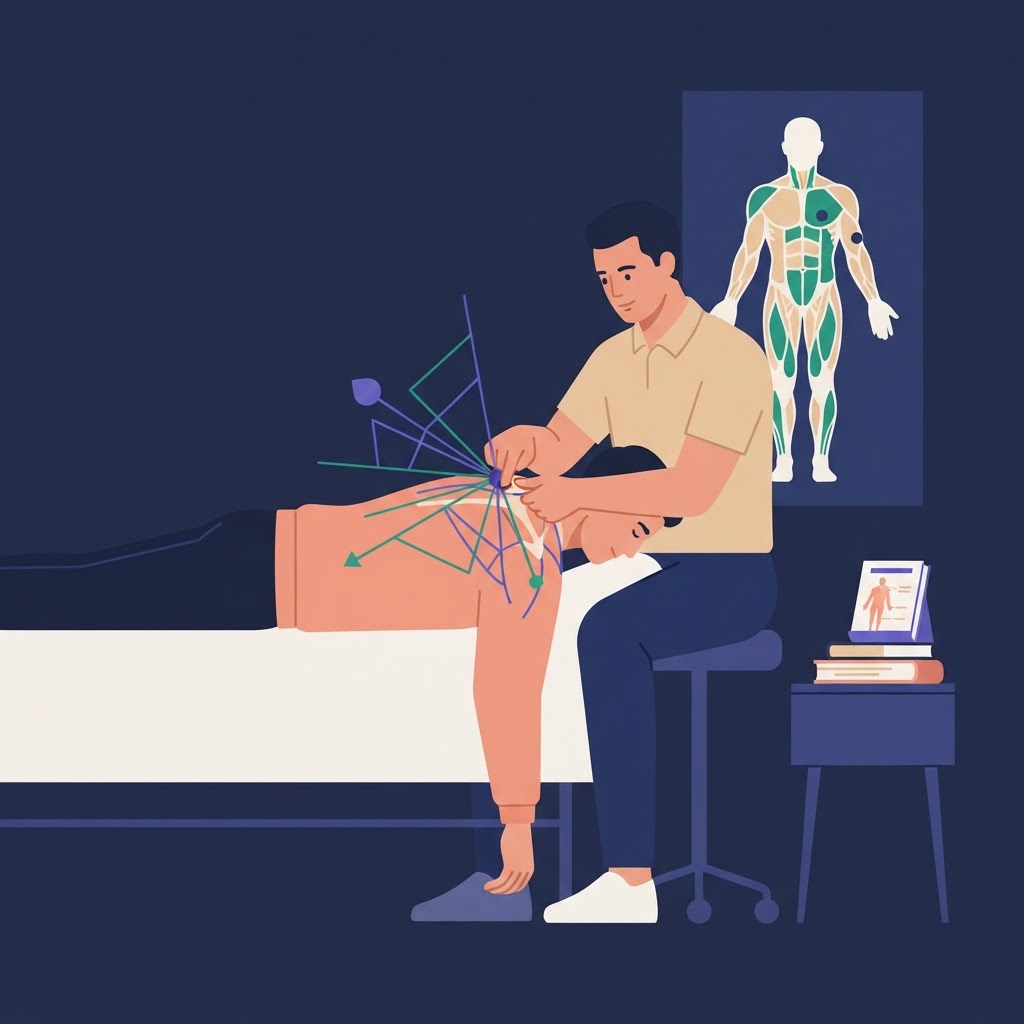
The Ultimate Guide to Trigger Point Therapy: Release Pain at Its Source
Trigger points—those stubborn knots in your muscles—can cause significant pain and limit your mobility. Trigger point therapy offers a targeted approach to releasing these tight areas and eliminating the pain they cause. This comprehensive guide explains everything you need to know about trigger points and how to treat them effectively.
What Are Trigger Points?
Trigger points are hyperirritable spots in skeletal muscle that are associated with palpable nodules in taut bands of muscle fibers. In simpler terms: they're tight, painful knots that you can feel in your muscles.
Characteristics of Trigger Points
Physical Features:
- Feel like a pea or marble under the skin
- Located in a tight band of muscle
- Tender to touch
- Can be active or latent
- Restrict muscle movement
Pain Patterns:
- Cause localized pain at the site
- Refer pain to other areas (referred pain)
- Create predictable pain patterns
- May cause headaches, jaw pain, or other symptoms
- Often feel like deep, aching pain
Active vs Latent Trigger Points
Active Trigger Points:
- Cause pain at rest
- Hurt without being touched
- Refer pain to other areas
- Limit range of motion
- Create constant discomfort
- Need immediate treatment
Latent Trigger Points:
- Only hurt when pressed
- Don't cause pain at rest
- Still restrict movement
- Can become active
- Common in most people
- May not need immediate treatment
How Trigger Points Form
Primary Causes
1. Muscle Overuse
- Repetitive movements
- Sustained postures
- Excessive exercise
- Occupational strain
- Poor ergonomics
2. Acute Trauma
- Direct injury to muscle
- Falls or accidents
- Sports injuries
- Sudden overload
- Whiplash
3. Chronic Stress
- Prolonged muscle tension
- Poor stress management
- Emotional holding patterns
- Anxiety and depression
- Sleep disturbances
4. Postural Issues
- Forward head posture
- Rounded shoulders
- Pelvic imbalances
- Leg length discrepancies
- Improper sitting position
5. Nutritional Factors
- Vitamin deficiencies (especially B vitamins)
- Dehydration
- Mineral imbalances
- Poor diet
- Inadequate protein
6. Medical Conditions
- Fibromyalgia
- Chronic fatigue syndrome
- Arthritis
- Thyroid disorders
- Chronic infections
The Trigger Point Cycle
Once formed, trigger points create a vicious cycle:
- Muscle overload or injury occurs
- Muscle fibers contract and can't relax
- Blood flow decreases to the area
- Waste products accumulate
- More pain and tension result
- Further muscle contraction occurs
- Cycle continues and worsens
Common Trigger Point Locations and Referred Pain Patterns
Upper Trapezius
Trigger Point Location:
- Top of shoulder
- Between neck and shoulder
Referred Pain:
- Temples (tension headaches)
- Behind the eye
- Up the neck
- Down the back of shoulder
- Can mimic migraine pain
Common Causes:
- Carrying heavy bags
- Prolonged computer work
- Stress and tension
- Poor sleeping position
Levator Scapulae
Trigger Point Location:
- Side and back of neck
- Top inside corner of shoulder blade
Referred Pain:
- Along the side of neck
- Top of shoulder blade
- Back of shoulder
- Can cause stiff neck
Common Causes:
- Looking over shoulder repeatedly
- Sleeping with head turned
- Holding phone with shoulder
- Poor posture at desk
Suboccipital Muscles
Trigger Point Location:
- Base of skull
- Where skull meets neck
Referred Pain:
- Entire head
- Around and into the eye
- Forehead
- Can feel like a headband of pain
Common Causes:
- Forward head posture
- Prolonged computer use
- Reading in bed
- Stress and tension
Masseter (Jaw Muscle)
Trigger Point Location:
- Cheek area
- Angle of jaw
Referred Pain:
- Teeth (upper and lower)
- Temple area
- Eyebrow
- Deep ear pain
- Can mimic toothache
Common Causes:
- Teeth grinding (bruxism)
- Jaw clenching
- Chewing gum
- Stress
- TMJ disorders
Scalenes
Trigger Point Location:
- Side of neck
- Under sternocleidomastoid
Referred Pain:
- Chest (can mimic heart problems)
- Shoulder blade
- Down the arm
- Into thumb and first two fingers
- Can cause numbness
Common Causes:
- Whiplash
- Poor breathing patterns
- Holding phone between ear and shoulder
- Poor posture
Gluteus Medius
Trigger Point Location:
- Side of hip/buttock
- Under hip bone
Referred Pain:
- Low back
- Down outer thigh
- Into buttock
- Sometimes to calf
Common Causes:
- Sitting with wallet in back pocket
- Prolonged sitting
- Running on uneven surfaces
- Leg length discrepancy
Piriformis
Trigger Point Location:
- Deep in buttock
- Center of buttock cheek
Referred Pain:
- Entire buttock
- Down back of thigh
- Into calf
- Can mimic sciatica
Common Causes:
- Prolonged sitting
- Running or walking
- Sitting on hard surfaces
- Crossing legs
Trigger Point Therapy Techniques
1. Ischemic Compression
How It Works:
- Direct, sustained pressure on trigger point
- Cuts off blood supply temporarily
- Forces muscle to relax
- Allows fresh blood to flow when released
Technique:
- Locate the trigger point
- Apply firm, steady pressure
- Hold for 30-90 seconds
- Gradually increase pressure as tolerated
- Release slowly
- Allow area to rest
Pressure Level:
- Should be uncomfortable but tolerable
- Pain should decrease during hold
- Never force through sharp pain
- Client should be able to breathe normally
2. Stripping/Strumming
How It Works:
- Deep gliding pressure along muscle fiber
- Releases adhesions
- Lengthens muscle
- Addresses entire taut band
Technique:
- Identify the taut band
- Apply pressure with thumb or elbow
- Slowly glide along the fiber
- Work from attachment to attachment
- Repeat several times
- Adjust pressure based on feedback
3. Spray and Stretch
How It Works:
- Cold spray distracts nervous system
- Allows muscle to relax
- Enables deeper stretch
- Reduces protective muscle tension
Technique:
- Apply cold spray to affected area
- Immediately apply gentle stretch
- Hold stretch 15-30 seconds
- Repeat 2-3 times
- Finish with heat
- Follow with gentle movement
4. Dry Needling
How It Works:
- Thin needle inserted directly into trigger point
- Creates local twitch response
- Releases muscle tension
- Resets muscle fiber length
Process:
- Performed by trained professionals only
- Needle inserted and manipulated
- May cause temporary soreness
- Often highly effective
- Usually combined with other techniques
Not the Same as Acupuncture:
- Based on Western anatomy
- Targets specific trigger points
- Different insertion techniques
- Shorter needle retention
- Different theoretical basis
5. Self-Treatment with Tools
Tennis Ball:
- Lie on ball at trigger point
- Use body weight for pressure
- Roll slowly over area
- Good for back and hips
Foam Roller:
- Roll over affected muscles
- Pause at tender spots
- Breathe through discomfort
- Excellent for large muscles
Massage Balls:
- More targeted than foam roller
- Good for reaching specific spots
- Various sizes for different areas
- Portable for travel
Theracane:
- Hook-shaped self-massage tool
- Reaches difficult areas
- Provides leverage
- Good for upper back and shoulders
The Treatment Process
Initial Assessment
Therapist Should:
- Take detailed history
- Ask about pain patterns
- Assess posture and movement
- Palpate for trigger points
- Test range of motion
- Identify causative factors
Treatment Session
Typical Session Includes:
-
Warm-Up (5-10 minutes)
- General massage of affected area
- Increases blood flow
- Prepares tissues
-
Trigger Point Work (20-40 minutes)
- Direct pressure techniques
- Gradual progression
- Multiple points addressed
- Feedback throughout
-
Stretching (5-10 minutes)
- Passive or assisted stretches
- Maintains length gained
- Prevents immediate return of tension
-
Cool-Down (5 minutes)
- Light massage
- Movement to integrate changes
- Instructions for self-care
What to Expect During Treatment
Sensations:
- Discomfort at trigger point
- May feel referred pain
- Relief as point releases
- Possible muscle twitching
- Deep, satisfying ache
Communication:
- Tell therapist about pain levels
- Indicate referred pain locations
- Provide pressure feedback
- Report any sharp or unusual pain
- Ask questions
After Treatment
Immediate:
- Area may feel tender
- Some soreness normal
- Increased range of motion
- Relief from referred pain
- May feel tired
24-48 Hours:
- Possible muscle soreness (like after exercise)
- Continued improvement
- Gradually decreasing tenderness
- Better movement patterns
Long-Term:
- Sustained pain relief
- Improved function
- Better posture
- Reduced re-occurrence with proper care
Self-Care and Prevention
Stretching
Daily Stretches:
- Target affected muscles
- Hold 30-60 seconds
- Breathe deeply during stretch
- Never bounce
- Do regularly, not just when hurting
Frequency:
- Multiple times daily
- Before and after exercise
- During prolonged sitting or standing
- When you feel tightness
Strengthening
Why It Matters:
- Weak muscles more prone to trigger points
- Balanced strength prevents compensations
- Supports proper posture
- Reduces injury risk
Focus On:
- Opposing muscle groups
- Core stability
- Postural muscles
- Functional movements
Ergonomics
At Work:
- Proper desk height
- Monitor at eye level
- Feet flat on floor
- Supportive chair
- Frequent position changes
- Regular breaks
At Home:
- Proper pillow height
- Mattress support
- TV viewing position
- Phone use (avoid cradling)
- Couch seating
Stress Management
Techniques:
- Regular exercise
- Meditation or mindfulness
- Deep breathing
- Adequate sleep
- Social connections
- Professional counseling if needed
Why It Matters:
- Stress causes muscle tension
- Chronic tension creates trigger points
- Managing stress prevents formation
- Supports overall healing
Hydration and Nutrition
Hydration:
- Drink adequate water daily
- Especially important after treatment
- Helps flush metabolic waste
- Supports tissue health
Nutrition:
- Adequate protein for muscle repair
- B vitamins (especially B12)
- Magnesium for muscle relaxation
- Omega-3 fatty acids for inflammation
- Antioxidants for tissue health
How Many Sessions Are Needed?
Factors Affecting Treatment Length
- Chronicity: Longer-standing triggers need more sessions
- Severity: More painful points need more attention
- Number of Points: Multiple points take longer
- Causative Factors: Ongoing causes require continued treatment
- Self-Care: Compliance affects results
- Overall Health: Better health speeds healing
Typical Treatment Plans
Acute Trigger Points (< 3 months):
- 3-6 sessions
- Weekly initially
- Tapering frequency
- Maintenance as needed
Chronic Trigger Points (> 3 months):
- 6-12 sessions
- Twice weekly initially
- Gradual reduction
- Regular maintenance
Complex Cases:
- 12+ sessions
- Frequent initially
- Long-term management
- Integration with other therapies
When to See a Healthcare Provider
Seek medical attention if:
- Pain is severe or sudden
- Pain after injury or accident
- Numbness or weakness
- Pain that worsens despite treatment
- Pain accompanied by fever
- Bowel or bladder changes
- Pain that wakes you at night
- No improvement after 3-4 sessions
Conclusion
Trigger point therapy offers an effective approach to treating stubborn muscle pain and dysfunction. By understanding trigger points, their causes, and treatment options, you can take control of your pain and improve your quality of life.
Key takeaways:
- Trigger points are treatable
- Multiple techniques are effective
- Self-care enhances results
- Prevention is possible
- Professional treatment often necessary
- Patience is important
Whether dealing with chronic pain or recent discomfort, trigger point therapy provides a targeted solution that addresses pain at its source.
Ready to find relief from trigger point pain? Browse our directory of massage therapists trained in trigger point therapy and specialized pain management techniques.
Illustrated guide to The Ultimate Guide to Trigger Point Therapy: Release Pain at Its Source