Massage Therapy
Male Massage: Benefits, Techniques & Finding Therapists
Discover male massage benefits, popular techniques, and how to find qualified male masseurs. Professional guide for men seeking therapeutic bodywork.
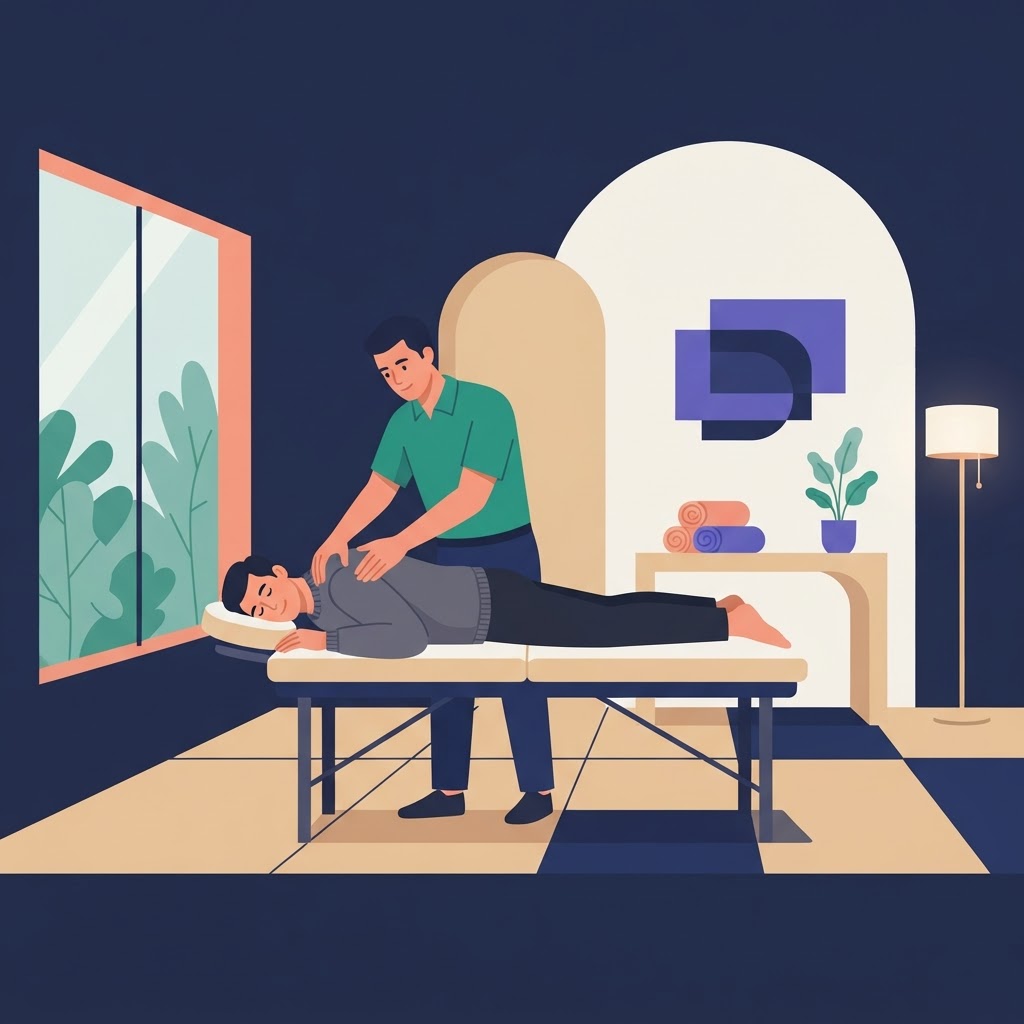
Male massage has evolved significantly over the past decade, transforming from a niche service into a mainstream wellness practice embraced by men seeking therapeutic relief, athletic recovery, and stress management. Whether you're an athlete recovering from intense training, a professional managing chronic desk posture, or simply prioritizing self-care, understanding the landscape of male massage therapy can help you make informed decisions about your wellness journey. This comprehensive guide explores the benefits, techniques, and practical considerations for men seeking qualified massage therapists.
Understanding the Male Massage Market
The massage therapy industry has witnessed substantial growth in male clientele over recent years. According to the American Massage Therapy Association's industry fact sheet, men now represent a significant portion of massage consumers, with changing attitudes toward wellness and self-care driving this expansion. Traditional barriers that once prevented men from seeking massage services have diminished as therapeutic benefits become more widely recognized and documented.
Male massage encompasses all traditional therapeutic modalities performed by or for male clients. The term doesn't denote a separate category of bodywork but rather acknowledges the specific considerations, comfort preferences, and therapeutic needs that many men prioritize when selecting massage services.
Market Demographics and Trends
Research from the AMTA consumer survey reveals interesting patterns in how men approach massage therapy:
- Men increasingly seek massage for specific therapeutic goals rather than general relaxation
- Athletic recovery and sports-related concerns drive many initial consultations
- Chronic pain management, particularly lower back and shoulder issues, ranks among top reasons
- Convenience and scheduling flexibility influence therapist selection
- Professional environment and practitioner credentials matter significantly
The shift toward evidence-based wellness has particularly resonated with male clients who value measurable outcomes and scientific validation.
Health Benefits Specific to Men
Male massage offers numerous documented health benefits that address common concerns men face across different life stages and activity levels. Understanding these advantages helps frame massage as an essential component of comprehensive health maintenance rather than an occasional luxury.
Physical Performance and Recovery
Athletes and active individuals represent a substantial portion of male massage clients. Sports medicine research demonstrates that massage therapy significantly impacts recovery metrics, reducing delayed onset muscle soreness (DOMS) and improving range of motion following intense training sessions.
Key athletic benefits include:
- Faster recovery between training sessions
- Reduced muscle tension and trigger point sensitivity
- Enhanced flexibility and joint mobility
- Improved circulation supporting nutrient delivery
- Prevention of overuse injuries through early intervention
Men engaged in strength training, endurance sports, or competitive athletics often integrate regular massage into periodized training plans, scheduling sessions strategically around competition and recovery cycles.
Mental Health and Stress Management
Beyond physical benefits, male massage addresses psychological wellness concerns that men frequently underestimate or overlook. A systematic review of manual therapy's effects on anxiety confirms significant reductions in anxiety symptoms following massage interventions, with effects comparable to other established stress-reduction techniques.
Professional men facing workplace stress, executives managing demanding schedules, and individuals navigating life transitions report substantial mental health improvements from consistent massage therapy. The physiological relaxation response triggered during sessions reduces cortisol levels while promoting parasympathetic nervous system activation.
Popular Massage Techniques for Men
Different massage modalities address varied therapeutic goals and personal preferences. Understanding the distinctions helps you select appropriate techniques for your specific needs and communicate effectively with potential therapists.
| Technique | Primary Benefits | Ideal For | Session Intensity |
|---|---|---|---|
| Deep Tissue | Chronic tension, injury rehabilitation, postural correction | Athletes, desk workers, chronic pain | High pressure, targeted |
| Sports Massage | Performance enhancement, recovery, injury prevention | Active individuals, competitive athletes | Variable, goal-specific |
| Swedish | Stress relief, circulation, general wellness | Beginners, relaxation-focused | Light to medium pressure |
| Thai Massage | Flexibility, energy flow, full-body stretching | Yoga practitioners, flexibility goals | Active participation required |
Deep Tissue Massage
Deep tissue work remains among the most requested modalities by male clients. This technique targets deeper muscle layers and connective tissue using sustained pressure and slow strokes. Therapists work systematically through muscle groups, addressing adhesions and chronic tension patterns that develop from repetitive activities or poor postural habits.
Men with physically demanding occupations, weightlifters, and those recovering from injuries particularly benefit from deep tissue approaches. The therapeutic applications documented by Cleveland Clinic include treatment of chronic lower back pain, neck tension, and shoulder restrictions-conditions disproportionately affecting male populations.
Sports and Athletic Massage
Sports massage represents a specialized application designed specifically for athletic populations. Unlike general relaxation massage, sports work incorporates pre-event preparation, post-event recovery, and maintenance sessions scheduled throughout training cycles.
Sports massage typically includes:
- Assessment of movement patterns and injury risk factors
- Targeted treatment of sport-specific muscle groups
- Stretching protocols to maintain flexibility
- Recovery techniques reducing inflammation
- Performance optimization strategies
Athletes working with skilled sports massage therapists often see measurable improvements in performance markers, reduced injury rates, and faster return-to-play timelines following minor strains or overuse conditions. If you're searching for sport massage places near me, prioritize therapists with certifications in sports massage and experience working with your specific athletic discipline.
Finding Qualified Male Masseurs
Locating a skilled, professional male massage therapist requires consideration of multiple factors beyond simple geographic proximity. The therapeutic relationship between client and practitioner significantly influences outcomes, making thoughtful selection essential.
Credentials and Qualifications
Professional massage therapists complete extensive training programs and maintain licensure in jurisdictions requiring regulation. The Federation of State Massage Therapy Boards provides model standards that many states adopt, typically requiring 500-1,000 hours of education covering anatomy, physiology, pathology, ethics, and hands-on technique development.
When evaluating potential therapists, verify:
- Current state licensure or certification (where required)
- Liability insurance coverage
- Specialized training in relevant modalities
- Continuing education in areas matching your needs
- Professional association memberships (AMTA, ABMP)
Independent male massage therapists often list credentials prominently on professional profiles, making initial screening straightforward for prospective clients.

Matching Techniques to Your Goals
Different therapeutic goals require different technical approaches. A therapist excelling in relaxation-focused Swedish massage may not possess the sports massage training needed for athletic recovery work. Conversely, practitioners specializing in deep tissue or injury rehabilitation may not emphasize the gentle, flowing techniques some clients prefer.
Before scheduling, clearly identify your primary objectives:
- Pain relief for specific conditions
- Athletic performance enhancement
- Stress and anxiety reduction
- Injury rehabilitation support
- General wellness and maintenance
Communicate these goals when contacting therapists, asking specifically about their experience addressing similar concerns with previous clients.
Geographic and Logistical Considerations
Practical factors significantly impact the sustainability of regular massage therapy. Therapists offering convenient locations, flexible scheduling, and appropriate session formats (incall versus outcall) make consistent care more achievable.
For those seeking male massage services, platforms like PROMASSEURS enable browsing independent male massage therapists by city and country, allowing you to compare photos, rates, and techniques before contacting therapists directly. This directory approach provides transparency about specializations, pricing, and availability that traditional spa models often obscure.
Preparing for Your First Session
First-time male massage clients often have questions about session logistics, appropriate etiquette, and what to expect during appointments. Understanding these elements reduces anxiety and helps establish productive therapeutic relationships.
Initial Consultation Process
Professional therapists begin with intake procedures gathering relevant health history, current concerns, and treatment goals. This conversation establishes baseline information and allows practitioners to screen for contraindications-conditions requiring modification or physician clearance before proceeding.
Typical intake topics include:
- Current injuries or chronic conditions
- Surgical history and recent medical procedures
- Medications that might affect tissue response
- Pressure preferences and sensitivity areas
- Specific regions requiring focus or avoidance
Honest, complete information during intake ensures safe, effective treatment customized to your circumstances.
During the Session
Male massage sessions typically occur in private treatment rooms with clients undressed to their comfort level and draped with sheets. Professional therapists maintain appropriate boundaries, expose only the body region being actively treated, and adjust pressure based on verbal feedback throughout sessions.
Sessions generally last 60-90 minutes for full-body work, with shorter 30-minute appointments targeting specific regions. Therapists may incorporate stretching, hot/cold applications, or complementary techniques depending on training and treatment goals.
Communication during sessions remains important. Inform your therapist immediately if pressure feels uncomfortable, if you experience pain beyond therapeutic intensity, or if you need position adjustments. Skilled practitioners welcome feedback and adjust techniques in real-time.
Specialized Considerations for Different Male Demographics
Male massage serves diverse populations with varying needs, preferences, and therapeutic priorities. Recognizing these distinctions helps both clients and therapists optimize treatment approaches.
Athletes and Active Individuals
Men engaged in regular athletic training require periodized massage scheduling that aligns with training cycles. Pre-competition massage focuses on preparation and muscle readiness, while post-event work emphasizes recovery and metabolic waste removal. Maintenance sessions during training blocks address cumulative fatigue and prevent overuse injuries before they develop into serious conditions.
Professional and Executive Clients
Corporate professionals often face unique stressors including prolonged sitting, repetitive motion injuries from computer work, and tension patterns driven by workplace stress. Male massage addressing these concerns emphasizes upper body work-neck, shoulders, and upper back-while incorporating stress reduction techniques that activate relaxation responses.
Older Men and Age-Related Concerns
As men age, massage therapy addresses changing needs including reduced flexibility, chronic conditions like arthritis, and recovery from medical procedures. Research on massage therapy reducing pain and anxiety in post-surgical patients demonstrates significant benefits for older populations managing complex health challenges.
Therapists working with older male clients often modify pressure, incorporate gentle mobilization techniques, and coordinate with other healthcare providers to ensure comprehensive, safe treatment plans.
Professional Standards and Safety
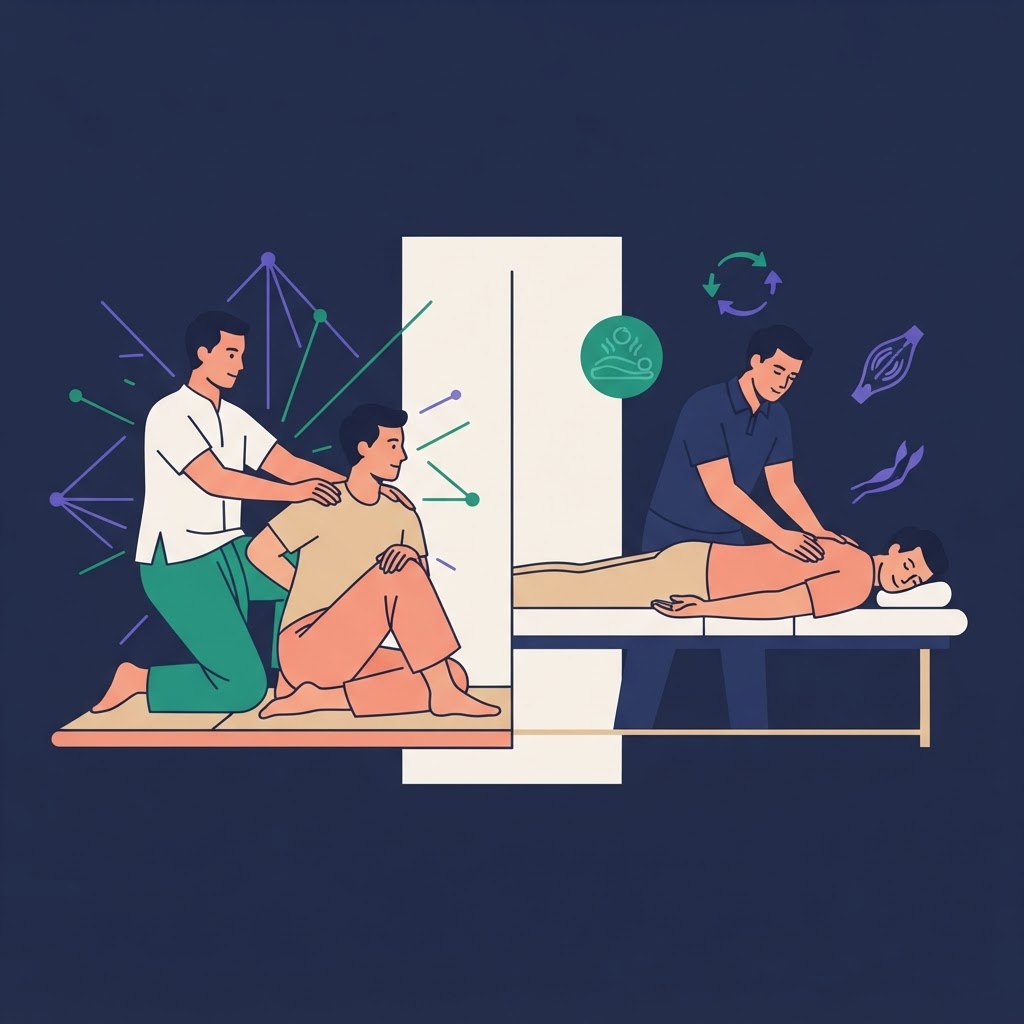
Understanding professional standards protects both clients and practitioners, ensuring safe, ethical therapeutic relationships. Legitimate male massage therapists operate within clearly defined scopes of practice, maintain appropriate boundaries, and adhere to established ethical guidelines.
Scope of Practice and Boundaries
Licensed massage therapists work within scopes of practice defined by state regulations and professional associations. These parameters specify what conditions therapists can address, when medical referral becomes necessary, and appropriate client-practitioner interactions.
Professional boundaries include:
- Maintaining therapeutic intent throughout all sessions
- Respecting client privacy and confidentiality
- Declining requests outside legitimate practice scope
- Terminating sessions if boundary violations occur
- Clear communication about services provided
Clients should expect consistent professionalism, transparent policies regarding cancellations and payments, and clear explanations of treatment approaches before sessions begin.
Recognizing Red Flags
While the vast majority of male massage therapists operate professionally, awareness of potential warning signs helps clients make informed decisions. Concerning indicators include therapists who:
- Lack verifiable credentials or refuse to provide license numbers
- Operate without appropriate insurance coverage
- Make unrealistic treatment promises or guarantees
- Demonstrate unclear or inconsistent policies
- Discourage questions about qualifications or methods
Trust your instincts. If something feels inappropriate or uncomfortable, discontinue the session and seek services elsewhere.
Maximizing Long-Term Benefits
Sporadic massage sessions provide temporary relief, but consistent care delivers cumulative benefits that compound over time. Developing a sustainable massage therapy routine requires planning, realistic scheduling, and clear communication with your chosen practitioner.
Establishing Regular Sessions
Frequency recommendations vary based on individual goals and circumstances:
| Client Type | Recommended Frequency | Primary Focus |
|---|---|---|
| Competitive athletes | Weekly during season | Performance, injury prevention |
| Active recreational | Bi-weekly to monthly | Recovery, maintenance |
| Chronic pain management | Weekly initially, then bi-weekly | Symptom reduction, function improvement |
| Stress reduction | Monthly to bi-monthly | Mental health, relaxation |
Discuss scheduling with your therapist to develop plans matching your objectives, budget, and availability. Many independent practitioners offer package rates for clients committing to regular sessions.
Integrating with Other Wellness Practices
Male massage works synergistically with other health interventions. Combining massage with strength training, stretching routines, proper nutrition, and adequate sleep amplifies benefits across all domains. The World Health Organization's rehabilitation toolkit positions massage and manual therapies as valuable components within comprehensive wellness strategies.
Consider massage as one element of integrated self-care rather than a standalone intervention. This perspective encourages sustainable practices that support long-term health objectives.
Tracking Progress and Adjusting Approaches
Documenting your experience helps identify patterns, track improvements, and communicate effectively with therapists. Note pain levels before and after sessions, changes in flexibility or range of motion, and how you feel in the days following treatment.
Share observations with your therapist, who can adjust techniques, modify pressure, or recommend different modalities based on your response to previous sessions. This collaborative approach optimizes outcomes and ensures treatments evolve with changing needs.
The Economics of Male Massage
Understanding pricing structures and value propositions helps clients make informed decisions about incorporating massage into wellness budgets. Rates vary significantly based on location, practitioner experience, session length, and specialized techniques offered.
Independent male masseurs typically charge between $80-$200 per hour depending on geographic market and expertise level. Major metropolitan areas command higher rates, while therapists in smaller cities often price more conservatively. Specialized techniques like sports massage or Thai bodywork may carry premium pricing reflecting additional training investments.
When evaluating costs, consider value beyond the immediate session price. Therapists providing thorough consultations, customized treatment plans, and ongoing communication often deliver superior outcomes justifying higher rates. Conversely, the lowest-price option may lack the expertise or attention necessary for meaningful therapeutic results.
Making Male Massage Work for Your Lifestyle
Successfully integrating male massage into busy schedules requires realistic planning and creative problem-solving. Men juggling professional responsibilities, family obligations, and personal commitments often struggle to prioritize self-care, yet consistent massage therapy delivers benefits that enhance performance across all life domains.
Scheduling Strategies
Consider these approaches for maintaining regular sessions:
- Calendar blocking: Schedule massage appointments months in advance, treating them as non-negotiable commitments
- Strategic timing: Book sessions during naturally slower work periods or immediately before demanding projects
- Combining errands: Select therapists near your workplace or regular destinations to minimize additional travel
- Flexible options: Work with practitioners offering evening or weekend availability when traditional hours don't align with your schedule
- Outcall services: Some independent therapists travel to clients, eliminating commute time entirely
The key lies in finding systems that reduce friction and make massage a sustainable habit rather than an occasional indulgence.
Building Therapeutic Relationships
Developing ongoing relationships with skilled male massage therapists creates continuity that enhances treatment effectiveness. Practitioners familiar with your body, injury history, and response patterns can work more efficiently and make informed adjustments as your needs evolve.
Long-term client-therapist relationships also enable deeper trust, more effective communication, and collaborative goal-setting that drives better outcomes. Many men report that consistency with a single skilled practitioner yields superior results compared to rotating among multiple therapists, even when individual sessions might seem comparable.
Male massage represents a powerful tool for managing physical performance, chronic pain, stress, and overall wellness-benefits that resonate particularly with men prioritizing evidence-based self-care strategies. Whether you're an athlete optimizing recovery, a professional managing workplace stress, or someone addressing specific therapeutic needs, finding the right male massage therapist makes all the difference. PROMASSEURS provides a comprehensive directory where you can browse independent male massage therapists by city and country, compare specializations and rates, and connect directly with practitioners who match your specific requirements. Take the first step toward better wellness by exploring qualified male masseurs in your area today.