Massage Therapy
Finding a Massage Therapist in CT: Your Complete Guide
Discover how to find a licensed massage therapist in CT. Learn about certification, specialties, and what makes Connecticut's male masseurs stand out.
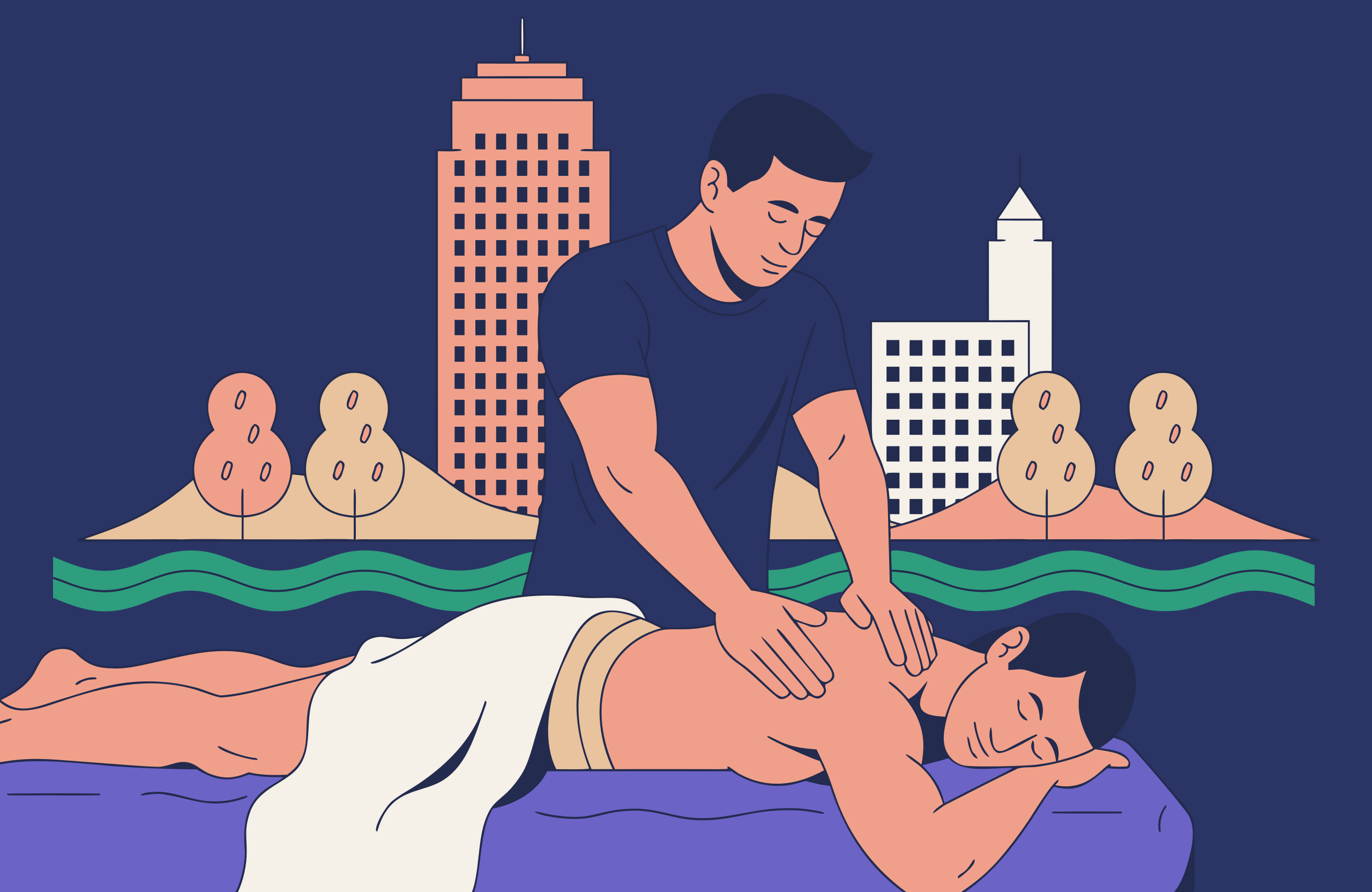
Finding the right massage therapist in CT requires understanding the state's regulatory framework, professional standards, and the unique qualities that distinguish exceptional practitioners. Connecticut maintains rigorous licensing requirements that ensure clients receive safe, professional therapeutic bodywork from qualified male massage therapists. Whether you're seeking deep tissue work, sports massage, or specialized techniques, the Constitution State offers a diverse community of skilled practitioners ready to address your wellness needs.
Understanding Connecticut's Massage Therapy Licensing Requirements
Connecticut stands among the most regulated states for massage therapy practice. The Connecticut Department of Public Health oversees all licensure requirements, ensuring every massage therapist in CT meets specific educational and professional standards.
Educational Prerequisites
Licensed massage therapists in Connecticut must complete at least 500 hours of education from an approved massage therapy program. This comprehensive training covers:
- Anatomy and physiology fundamentals
- Kinesiology and body mechanics
- Pathology and contraindications
- Professional ethics and business practices
- Hands-on technique development across multiple modalities
The state recognizes programs accredited by the Commission on Massage Therapy Accreditation (COMTA) and similar organizations. Many practitioners exceed minimum requirements, pursuing 750 or 1,000-hour programs to develop deeper expertise in specialized techniques.
Continuing Education Standards
Connecticut requires licensed massage therapists to complete continuing education for license renewal. According to Connecticut's continuing education requirements, practitioners must stay current with evolving techniques and industry standards through ongoing professional development.
What Sets Connecticut Massage Therapists Apart
The state's proximity to major metropolitan areas creates a unique professional environment. Many massage therapists in CT trained at prestigious institutions in New York, Boston, and Philadelphia before establishing practices in Connecticut's diverse communities.
Specialization and Technique Diversity
Connecticut practitioners often develop expertise in multiple modalities to serve varied client needs. Common specializations include:
| Modality | Benefits | Typical Session Duration |
|---|---|---|
| Deep Tissue | Chronic tension relief, muscle rehabilitation | 60-90 minutes |
| Sports Massage | Athletic performance, injury prevention | 60-120 minutes |
| Swedish Massage | Relaxation, stress reduction, circulation | 60-90 minutes |
| Trigger Point Therapy | Specific pain relief, muscle knot release | 30-60 minutes |
| Myofascial Release | Fascial restriction treatment, mobility improvement | 60-90 minutes |
Many male massage therapists develop signature approaches combining multiple techniques. Understanding different massage types helps clients communicate their needs effectively during initial consultations.
Professional Practice Standards
Connecticut massage therapists maintain professional environments whether practicing in studios, spas, or offering mobile services. Key standards include:
Licensing Display: Active licenses must be visible in treatment spaces, allowing clients to verify credentials immediately.
Informed Consent: Practitioners explain techniques, address client concerns, and obtain consent before sessions begin.
Confidentiality: Health information and session details remain strictly confidential, following HIPAA guidelines.
Professional Boundaries: Clear therapeutic relationships protect both practitioners and clients throughout the massage experience.
Finding the Right Massage Therapist in CT for Your Needs
Connecticut's diverse geography spans from coastal communities to inland cities, each offering different practitioner options. Urban centers like Hartford, New Haven, and Stamford feature numerous practitioners, while suburban and rural areas may require broader searches.
Evaluating Practitioner Credentials
- Verify current licensure through the Connecticut Department of Public Health database
- Review specializations to match your therapeutic goals
- Assess experience levels particularly with specific techniques you're seeking
- Read client testimonials to understand communication style and professionalism
- Confirm insurance acceptance if you're seeking reimbursement for therapeutic sessions
The American Massage Therapy Association provides additional resources for understanding Connecticut's regulatory landscape and finding qualified practitioners.
Location Considerations Across Connecticut
Connecticut's compact size allows access to practitioners throughout the state, yet local options offer convenience for regular sessions. Major areas include:
- Hartford Metro: Diverse practitioner community, corporate wellness specialists
- New Haven: University influence, sports-focused therapists
- Stamford/Greenwich: Luxury spa environments, high-end private practices
- Coastal Communities: Resort-style practices, relaxation specialists
- Rural Areas: Home studios, mobile massage services
Specialized Services and Advanced Techniques
Beyond foundational modalities, Connecticut massage therapists often pursue advanced certifications that enhance their therapeutic capabilities. These specializations address specific client populations and wellness goals.
Sports and Athletic Performance
Athletes benefit from practitioners trained in sports-specific techniques. Sports massage addresses pre-event preparation, post-event recovery, and injury rehabilitation. Connecticut's active fitness community creates demand for therapists who understand athletic biomechanics and training cycles.
Advanced sports massage practitioners incorporate:
- Pre-event techniques that stimulate muscles without depleting energy
- Post-event protocols reducing lactic acid buildup and promoting recovery
- Maintenance sessions supporting consistent training schedules
- Injury-specific work targeting strains, sprains, and overuse conditions
Deep Tissue and Therapeutic Focus
Men seeking significant muscle tension relief often prefer deep tissue massage from practitioners skilled in addressing chronic holding patterns. This modality requires specific training beyond basic Swedish techniques.
Effective deep tissue work involves:
- Assessment: Identifying restriction patterns and compensation chains
- Preparation: Warming superficial tissues before accessing deeper layers
- Application: Using appropriate pressure angles and body mechanics
- Integration: Allowing tissue adaptation and encouraging movement post-session
Connecticut practitioners with advanced deep tissue training often complete additional certifications in structural integration, neuromuscular therapy, or orthopedic massage.
Emerging Technologies in Massage Education
While traditional hands-on training remains essential, technology enhances practitioner development. Research on gamified massage therapy training platforms demonstrates how simulation tools can supplement practical education, though nothing replaces supervised clinical experience.
Building a Therapeutic Relationship With Your Massage Therapist
Consistent work with a qualified massage therapist in CT produces better outcomes than sporadic sessions with different practitioners. Regular sessions allow therapists to track progress, adjust techniques, and develop personalized treatment protocols.
Communication Foundations
Successful therapeutic relationships depend on clear communication between client and practitioner. Essential discussion points include:
- Health history: Previous injuries, current conditions, medications affecting tissue response
- Pressure preferences: Comfort with deep work versus gentler techniques
- Treatment goals: Pain relief, stress reduction, athletic performance, general wellness
- Session feedback: Real-time communication about pressure, positioning, and comfort
Understanding proper massage etiquette ensures productive sessions where both parties feel respected and comfortable.
Session Frequency and Treatment Planning
| Goal | Recommended Frequency | Typical Duration |
|---|---|---|
| Acute injury recovery | 2-3 times weekly | 4-6 weeks |
| Chronic pain management | Weekly | Ongoing |
| Athletic training support | Weekly to bi-weekly | Season-long |
| Stress management | Bi-weekly to monthly | Ongoing |
| General wellness | Monthly | Ongoing |
Many Connecticut practitioners offer package pricing for clients committing to regular sessions. These arrangements benefit both parties through consistent scheduling and reduced per-session costs.
Professional Development and Industry Advancement
Connecticut massage therapists committed to excellence pursue ongoing education beyond state requirements. This dedication ensures clients receive current, evidence-informed therapeutic approaches.
Specialized Certification Pathways
Advanced practitioners often hold multiple credentials:
- Certified Neuromuscular Therapist (CNMT): Addressing pain patterns and nerve involvement
- Certified Myoskeletal Therapist: Integrating structural assessment with hands-on treatment
- Board Certified Structural Integrator: Advanced fascial work and postural education
- Certified Medical Massage Practitioner: Working within healthcare teams for specific conditions
These credentials require substantial additional training, typically 100-500 hours beyond basic licensure.
Technology Integration in Modern Practice
Forward-thinking massage therapists in CT incorporate technology for scheduling, client communication, and session documentation. Online booking systems, encrypted health records, and treatment tracking apps enhance the client experience while maintaining professional standards.
Some practitioners explore innovative assessment tools, though hands-on palpation skills remain irreplaceable. Research on acupoint therapy training systems demonstrates technology's potential in refining practitioner precision, though traditional training methods still predominate.
Male Massage Therapists and LGBTQ+ Inclusive Practices
Connecticut's progressive culture supports inclusive wellness spaces where gay men feel comfortable seeking therapeutic bodywork. Many male massage therapists specifically market their practices as welcoming to the LGBTQ+ community, understanding that comfort and safety enhance therapeutic outcomes.
Creating Safe Therapeutic Spaces
Inclusive practitioners demonstrate their commitment through:
- Explicit inclusivity statements on websites and in treatment spaces
- Respectful intake processes using appropriate language and pronouns
- Professional boundaries that honor therapeutic relationships
- Community engagement supporting LGBTQ+ health initiatives
- Cultural competence understanding unique health concerns affecting gay men
Platforms like PROMASSEURS specifically connect clients with licensed male massage therapists, simplifying the search for practitioners who understand the importance of inclusive, comfortable therapeutic environments.
Understanding Client Preferences
Gay men seeking massage therapy may have specific preferences regarding practitioner gender, communication style, and therapeutic approach. Professional male massage therapists respect these preferences while maintaining appropriate boundaries that distinguish therapeutic work from other services.
Clear communication during initial consultations establishes expectations and ensures both parties understand the therapeutic nature of sessions. This transparency builds trust and supports effective treatment outcomes.
Regional Variations and Practice Settings
Connecticut's massage therapy landscape varies significantly across regions. Urban practices often operate within larger wellness centers or medical facilities, while suburban and rural practitioners frequently maintain independent studios or mobile practices.
Urban Practice Environments
Cities like Hartford, New Haven, and Stamford feature:
- Multi-practitioner wellness centers offering diverse modalities
- Luxury spas with extensive amenities beyond massage
- Medical massage clinics integrated with chiropractic or physical therapy
- Corporate wellness programs providing on-site employee massage
Urban settings typically offer more scheduling flexibility and varied practitioner specializations.
Suburban and Rural Options
Outside metropolitan areas, massage therapists often:
- Operate home-based studios with dedicated treatment spaces
- Provide mobile services traveling to clients
- Maintain part-time practices alongside other wellness services
- Focus on building long-term community relationships
These practitioners frequently offer more personalized attention and flexible scheduling than larger urban facilities.
Investment in Therapeutic Massage
Understanding massage pricing helps clients budget appropriately for regular sessions. Connecticut rates typically reflect the state's cost of living and practitioners' education levels.
Typical Rate Structures
| Session Length | Standard Rate Range | Premium/Specialized Rate |
|---|---|---|
| 30 minutes | $45-$65 | $65-$85 |
| 60 minutes | $80-$120 | $120-$160 |
| 90 minutes | $120-$180 | $180-$240 |
| 120 minutes | $160-$240 | $240-$320 |
Factors influencing pricing include practitioner experience, specialized certifications, location, and practice setting. Mobile services typically command premium rates reflecting travel time and equipment transport.
Maximizing Value
Clients can optimize their massage therapy investment by:
- Purchasing package deals reducing per-session costs
- Maintaining consistent schedules allowing progressive treatment approaches
- Communicating clearly ensuring sessions address priority concerns
- Following home care recommendations extending therapeutic benefits
- Exploring insurance options for medically necessary massage therapy
Many Connecticut massage therapists accept health savings account (HSA) and flexible spending account (FSA) payments, offering tax advantages for therapeutic services.
The Future of Massage Therapy in Connecticut
Connecticut's massage therapy profession continues evolving with advancing research, changing client expectations, and technological innovations. Progressive practitioners stay current with industry developments while maintaining the hands-on skills that define exceptional bodywork.
Emerging Trends
Current developments shaping the field include:
- Medical integration: Increased collaboration with physicians and physical therapists
- Outcome measurement: Using validated tools to track treatment effectiveness
- Specialized populations: Developing expertise serving specific demographics
- Wellness coaching: Expanding beyond table work to comprehensive lifestyle support
Connecticut massage therapists pursuing advanced education position themselves to serve clients seeking evidence-based therapeutic interventions integrated with broader wellness strategies.
Professional Resources and Support
The massage therapy community in Connecticut benefits from professional organizations offering networking, education, and advocacy. These groups support both new practitioners entering the field and experienced therapists expanding their practices.
State and national organizations provide:
- Continuing education opportunities exceeding minimum requirements
- Professional liability insurance options
- Business development resources and mentorship
- Legislative advocacy protecting practice rights
- Community building among practitioners
Finding a qualified massage therapist in CT involves understanding state licensing requirements, evaluating practitioner specializations, and identifying professionals who create safe, inclusive therapeutic environments. Connecticut's rigorous standards ensure clients receive professional bodywork from skilled practitioners committed to ongoing excellence. Whether you're seeking deep tissue work, sports recovery, or stress relief, PROMASSEURS connects you with licensed male massage therapists who combine technical expertise with an understanding of gay men's unique wellness needs, making it simple to find the perfect practitioner for your therapeutic goals.
Illustrated guide to Finding a Massage Therapist in CT: Your Complete Guide